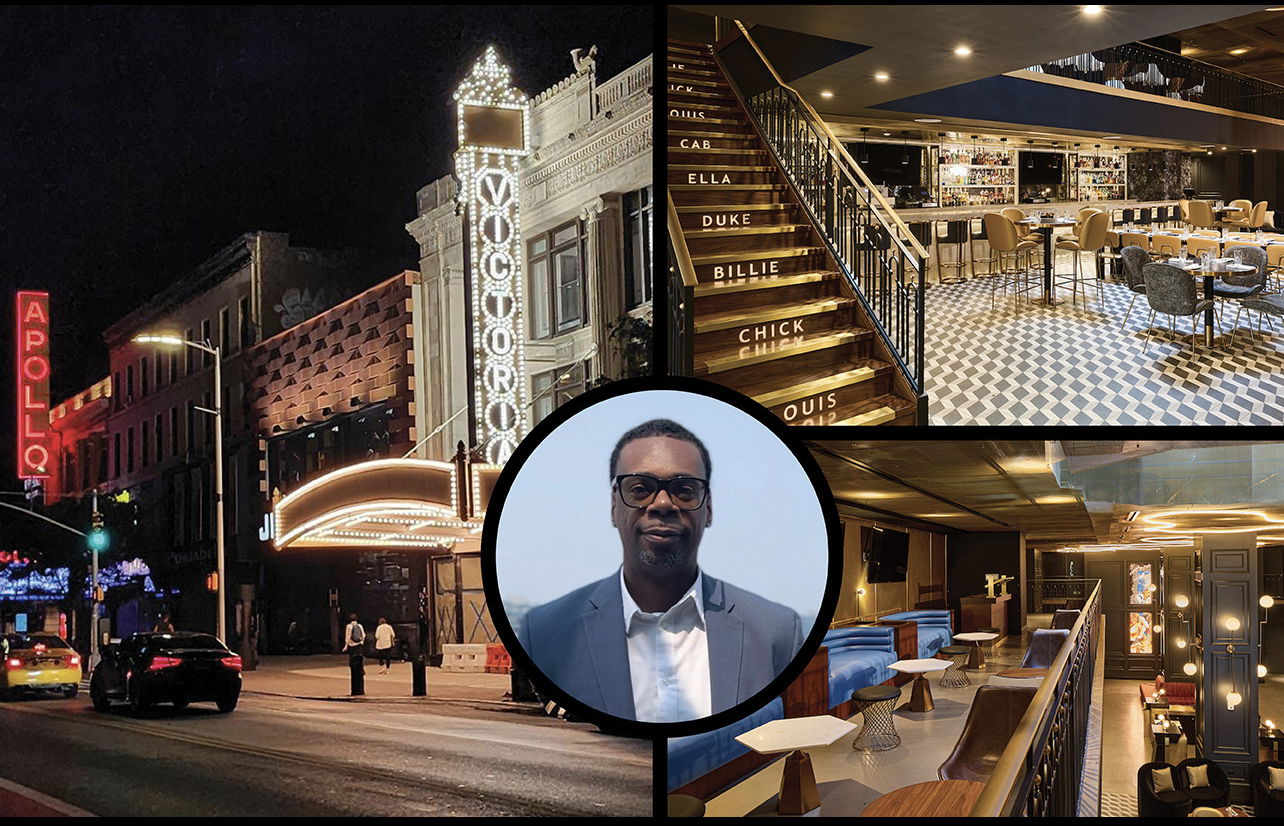
The Victoria Theater Building Showcases Harlem Hospitality At Its Finest
Mike Garlick, managing partner for the Victoria Hospitality Group, spoke with BLACK ENTERPRISE about the establishment's success and its future impact.
The Victoria Theater, located at the heart of Harlem’s 125th street, has transformed into a multi-use building that speaks to the neighborhood’s elegance.
While branching out into the restaurant sphere, the historic building remains a communal space for events. Now, The Victoria seeks to take its hospitality to the rooftops.
As the restaurant and hotel makes its mark in Harlem, Mike Garlick, managing partner for the Victoria Hospitality Group, spoke with BLACK ENTERPRISE about its recipe for success and future impact.
Of Garlick’s own expertise, he states that getting an idea off the ground begins with strategic decisions.
“I think the resources financially is just making the right choices,” shared the entrepreneur. “But before I made the right choices, I made a lot of the wrong choices. So I had to pay my dues and eventually I was put in a position where I had a little money to invest because I started making more right choices and I, people like my work ethics, my vision.”
He added, “I’m a little different, I’m not the average person with vision…You always need partners because [in] my perspective in business, I don’t want a partner just like me. I would like a partner that thinks opposite of me. That’s better for the business… And that’s my business partnership model.”
Of his inclusion in creating Harlem’s first full service hotel in the area’s highest building, Garlick considers it a match made in hard work and destiny.
“…I want a partnership that can utilize my expertise, my vision, you know, in the best way possible,” he explained. “So with building a business, I had friends and, other friends, we sat down and had a meeting and I met the CEO of Silk Hospitality [owning group of The Victoria], Andy Lee, and he was interested in what I can put on the table with this project. This project is big, not only in size in a lot of different parts.”
Creating a space that respects its surrounding neighborhood’s history remains a huge priority, from the design to the events they host. With its jazz nights and rooftop space, their ambiance caters to the past and Harlem’s aesthetic roots.
He added, “The design was to cater to the black musicians and Black artists that originate from Harlem. You know, it is the renaissance. It’s not a play with words as well, because it gives you that feel back in those days, there used to be a lot of speakeasies.”
He emphasized that Harlem is its own state that is “changing,” and must have the facilities willing to evolve with it.
“So you gotta find that medium where you can service the community in a way that you’re bringing something good for the community and letting them know and having them understand that,” he shared.
As they continue to find new ways to connect with their community, Garlick hopes to further its reach with another hotel, all promoting its renowned Harlem hospitality.
Summer Walker Wants Folks To ‘Buy Black Women’s Sh-t’ To Support Businesses In Atlanta
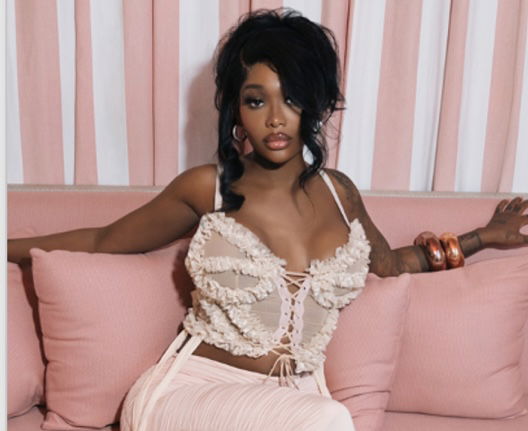
Summer Walker is doing her part
Summer Walker relaunched her “Buy Black Women’s Sh-t” initiative to support some Black women-owned businesses in her hometown of Atlanta. The charitable effort coincided with the anniversary of her “Last Day Of Summer” mixtape, released in 2018.
As Walker celebrated the anniversary of her debut mixtape Sept. 22, she sought to do more than just honor her first project. On the official last day of summer, the singer also held a re-release of “Buy Black Women’s Sh*t.” The online marketplace encouraged fans to buy self-care products from Black women entrepreneurs in Atlanta.
From The Lash Vault and Atlanta Curves, these businesses offered products that catered to one’s holistic needs, as well as communal and beauty. The charitable arm of Walker’s Atlanta-based label, deemed LVRN Cares, helped promote the businesses spotlighted by the R&B songstress.
To help out the purchasing, fans received exclusive deals and discounts, as well as products to try out from the local businesses involved. A directory of the over 100 companies will be available on her website through the next year.
Walker’s own big break stemmed from her EP’s release. The project included her multi-platinum single “Girls Need Love,” whose remix featured a Drake verse. Since then, Walker has released two full-length albums, and earned a Grammy nomination for Best R&B album. Now, she reigns as a prominent name in the genre.
Walker’s mission to support Black women entrepreneurs also comes at a time where resources benefiting them are at risk. Although women founded 68% of Black-owned microbusinesses in the U.S., funding opportunities geared toward them have faced legal action for their efforts. The Fearless Fund, a venture capital firm that prioritized helping Black women in businesses, was forced to stop allocating grants due to alleged discrimination.
Despite these obstacles, Black women entrepreneurs continue to break barriers in this field. Moreover, Walker aims to do her part by ensuring customers know and support their businesses.
Autopsy Report Rules Rich Homie Quan’s Death Accidental
The Fulton County Medical Examiner ruled that the rapper died from a combination of drugs; fentanyl, alprazolam, codeine, and promethazine.
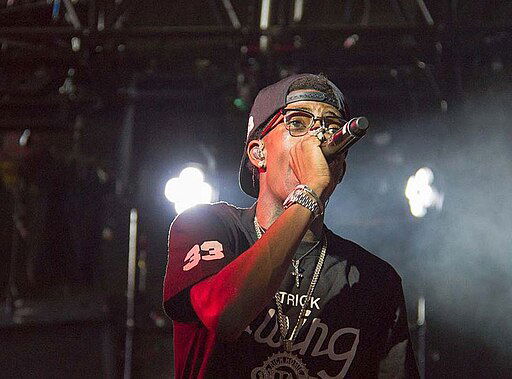
Atlanta recording artist Dequantes Devontay Lama, known by his stage name Rich Homie Quan, died Sept. 5 after being found unresponsive at his home. TMZ reported that the rapper’s death was ruled as accidental, caused by a cocktail of drugs found in his system.
According to the Fulton County Medical Examiner in Georgia, Quan died from a combination of drugs; fentanyl, alprazolam, codeine, and promethazine. There was also THC (Tetrahydrocannabinol) found in his system but it was not a determining factor in his death. Included in the autopsy report was that he showed no signs of trauma when his body was found dead, and examined.
Rich Homie Quan Died From Accidental Drug Overdose, Including Fentanyl | Click to read more 👇 https://t.co/QFckFXjsqg
Quan was 33-years-old when he passed away. On Sept. 17, a memorial was held for the late rapper at World Changers Church International in South Fulton, Georgia.
TMZ reported that his girlfriend, Amber Williams, discovered him unresponsive and foaming at the mouth, as he wasn’t breathing and had no heartbeat. She called 9-1-1 to report the condition of the Atlanta rapper. She stated that, at the time, he was on the couch in the morning when she left to take her son to school, so she put a blanket over him. When she returned, she realized he never moved, prompting her to check his body.
Billboard reported that after Quan’s death, the family released a posthumous song, “Song Cry,” last month and followed up by releasing a video for the song Sept. 30.
The rapper had seven songs that charted on the Billboard Hot 100, including two songs that landed in the top 20. “Lifestyle” featuring Young Thug and Rich Gang peaked at No. 16, while the YG song, “My Hitta” featuring Jeezy, reached No. 19.
Early in his career, Rich released several mixtapes before hitting mainstream success when he released “Type of Way” in 2013. The remix featured established rappers Jeezy and Meek Mill, which solidified he was here for the long run.
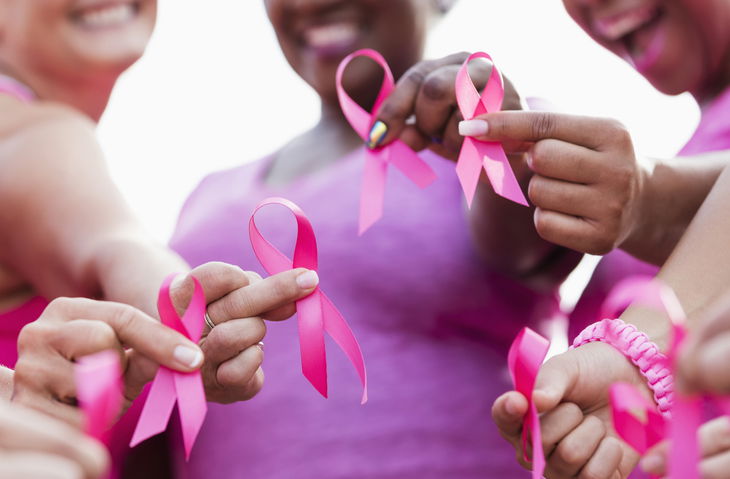
Designer and breast cancer survivor Jill Martin has partnered with the NBA and WNBA to introduce an inspiring collaboration through her new clothing brand, By Jill Martin, Today announced. This initiative aims to raise awareness about breast cancer and the importance of genetic testing, particularly for cancers associated with the BRCA gene mutation.
The collaboration, available for purchase now, features Martin’s sherpas adorned with pink versions of the NBA and WNBA logos. Proceeds from the sales will benefit the Basser Center for BRCA. Guests who attended Today‘s live taping on Tuesday received a sherpa of their own.
“In honor of Breast Cancer Awareness this October, the @NBA and @WNBA have teamed up with Jill Martin to launch a limited-edition lounger to show our support for any and all survivors and warriors in your life 💓,” the NBA Store announced in a tweet.
To honor Breast Cancer Awareness, Today also aired its “Pink Power” special, where Martin discusses her breast cancer journey, along with NBA and WNBA players sharing how the disease has impacted them. The special will provide insights on who should consider genetic testing to lower cancer risk, and the plaza will be filled with breast cancer survivors and their families.
The partnership follows Martin’s diagnosis of Stage 2 breast cancer in 2023. The Shop Today contributor discovered she had breast cancer after testing positive for a BRCA gene mutation despite receiving a clear mammogram on the same day as her diagnosis and a clear sonogram just months prior. It wasn’t until later that Martin learned that she had inherited the gene mutation from her father, a possibility she was unaware of since her family history of breast cancer was mainly on her mother’s side.
Following her diagnosis, Martin underwent chemotherapy, radiation, a double mastectomy, and breast reconstruction and had her ovaries and fallopian tubes removed. According to the National Cancer Institute, BRCA gene mutations can be inherited from either the mother or father and can raise an individual’s risk for various cancers, including breast, ovarian, and prostate cancer. These mutations also heighten the likelihood of developing cancer at a younger age, with over 60% of women with a BRCA mutation expected to develop breast cancer.
Research shows Black women are more likely to die from breast cancer, with four primary factors influencing the higher death rate: genetics, cultural norms, socioeconomic status, and access to care.
NAACP Lawsuit Demands Justice For Black Women Exposed To Harmful Hair Relaxers
Hair relaxers have been linked to several cancers and the NAACP and Singleton Schreiber are holding corporations accountable.
The NAACP and leading civil rights law firm Singleton Schreiber have joined forces to pursue a lawsuit that will hold major beauty corporations accountable for the billions of dollars that have been made by marketing the chemical hair relaxers, also known as “perms,” to Black women and other women of color.
According to a press release from the NAACP, the infamous relaxers that have been used as hair straighteners have been linked to several health issues, including uterine cancer, ovarian cancer, endometrial cancer, uterine fibroids, and procedures such as a hysterectomy, myomectomy or endometrial ablation. Major beauty corporations like Soft Sheen-Carson LLC and others have allegedly failed to disclose the health risks associated with using their products, and NAACP General Counsel Janette McCarthy Wallace said the civil rights organization will “use all its legal might to seek justice from those companies that have profited while these beauty products harmed Black women.”
“By holding these companies accountable, we’re sending a strong message that corporations profiting at the expense of women’s health will face justice,” Ward Mason said.
As part of the campaign, Singleton Schreiber published a video highlighting the “poison” behind the catchy jingles and boxes decorated with the faces of young Black girls and women flaunting straight hairstyles. The information NAACP advocates and the law firm claim consumers weren’t privy to was that opening a box of the once popular straightening solution for curly-haired women exposed them to a group of chemicals known as endocrine disruptors. Referencing a clip from “Good Hair” (2009), a scientist explained the effects of sodium hydroxide, which is the main active ingredient in a lye relaxer. According to scientists, sodium hydroxide may burn the skin and cause bald spots if it penetrates the roots.
The press release notes the aggressive marketing approach companies have used to get these products in front of Black women, pushing Eurocentric standards that society has favored. The NAACP and Singleton Schreiber are “meeting the problem where it is,” demanding transparency and honesty about the chemicals being used in these products.
The campaign seeks to hold corporations accountable, compensate victims, and continue to raise awareness.
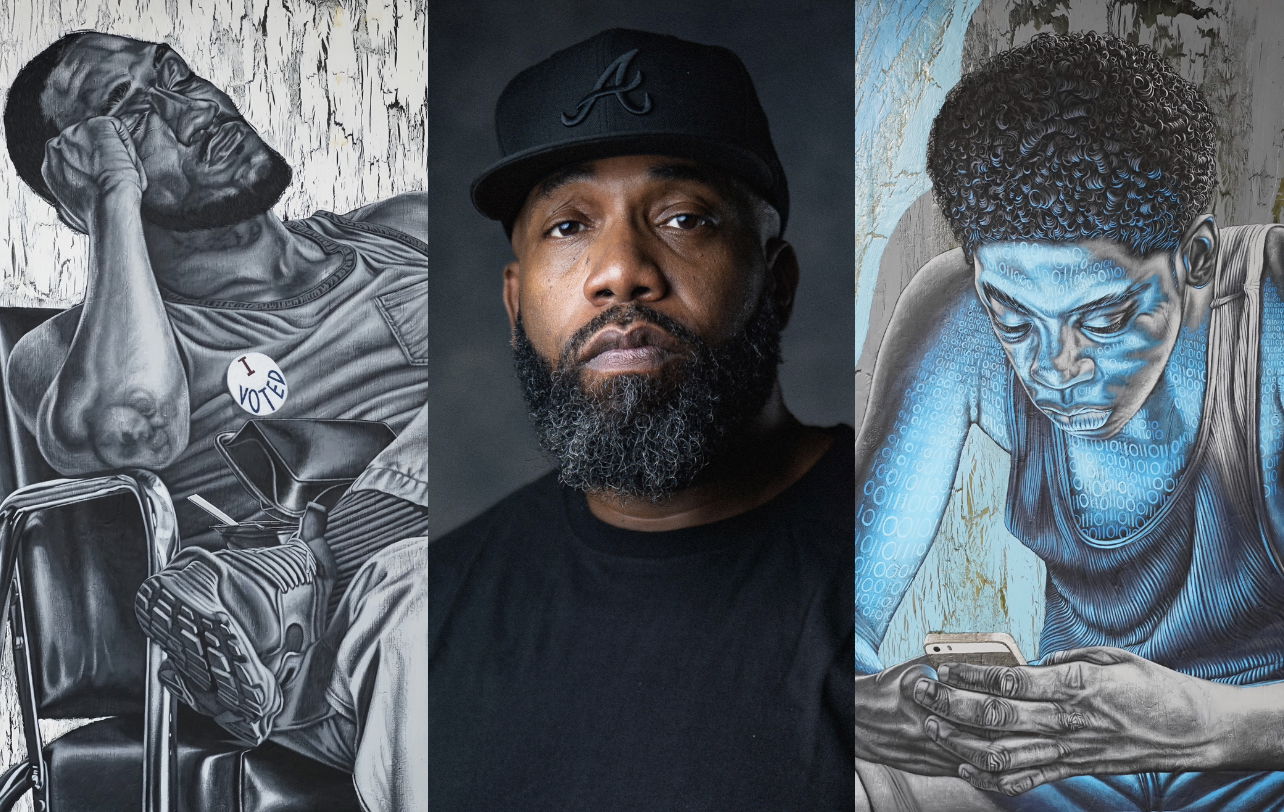
Atlanta Art Week Hosts Alfred Conteh Solo Exhibition On Accepting One’s Blackness
The exhibit will showscase Conteh's large-scale works inspired by Black life in the South.
Atlanta Art Week will feature a solo exhibition on the works of native artist Alfred Conteh. The exhibit, titled Acceptance: Identity & Circumstance, will display Conteh’s large-scale works inspired by Black life in the South.
Curated by Courtney Brooks, the exhibition displays the acclaimed artist and sculptor’s paintings which delve into the complex existence of Southern Black communities. Taking place at the The Works, an event space in Atlanta, attendees will be able to immerse themselves in the artistic journey of Conteh’s creations.
The Hampton University alumnus’s work draw parallels in Black people’s unabashed livelihood in urban areas, specifically in Atlanta, as opposed to its more conservative outskirts. Dissecting one’s identity through this juxtaposition remains a core focus of Conteh’s work, and instills this central theme within the exhibition.
“This work navigates the delicate balance between progress and struggle through the eyes of a Generation X artist with deep roots in the small towns of the South,” as detailed on Atlanta Art Week’s website. “Conteh’s current work is not just art; it is a raw, honest testament to the social, economic, educational, and psychological battles that Black communities continue to face, both from within and without.”
It adds, “The portraits captured in this series stand as lasting testaments in this series, not just to the culture and people they represent, but to the enduring and often unseen struggles that shape their lives.”
A VIP reception takes place Oct. 3, ahead of the opening on Friday, Oct. 4, which includes a moderated talk between Conteh and Jeremiah Ojo, founder of Creative Milieu. Following the solo exhibition is an open studio tour at The MET in Atlanta on Oct. 5. The week will conclude the next day with a film screening of the documentary,The Unseen Majority.
The short film, commissioned by the Peoria Riverfront Museum, provides insight on Conteh’s social commentary and work. Director Dr. Arshley Emile and Everley Davis, assistant curator will engage in a post-viewing reflection.
Art patrons in Atlanta can RSVP for this inaugural exhibition here.
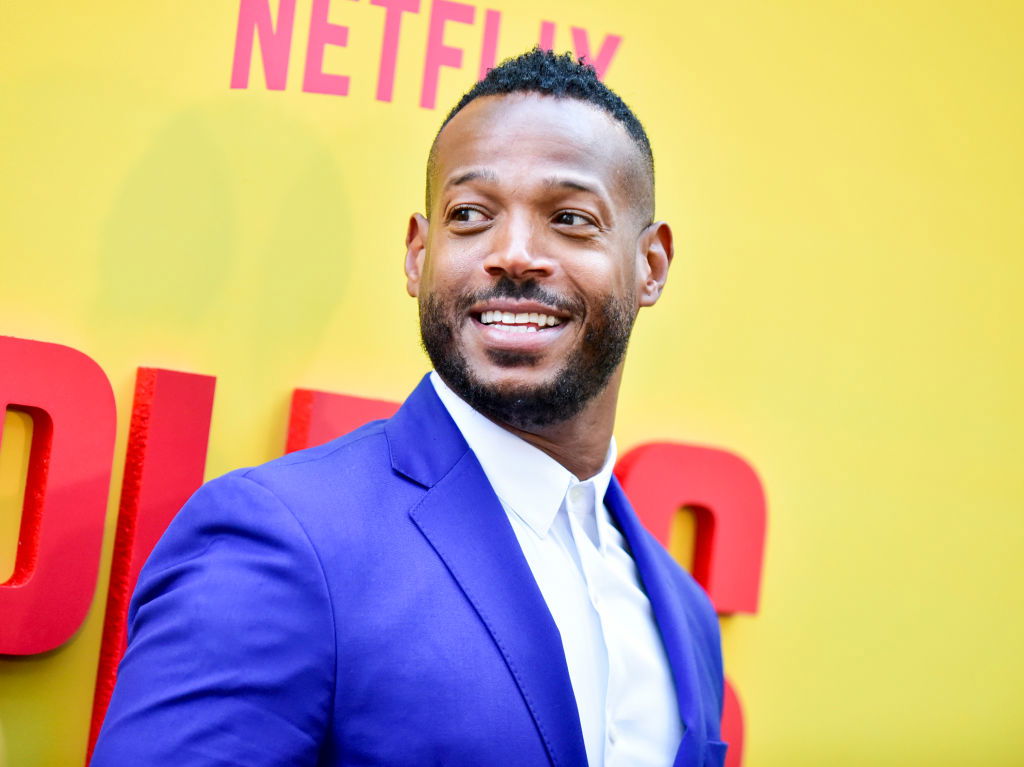
Marlon Wayans Gets Real About Black Representation And Mental Health, Suggests People ‘Stay In Therapy’
'Black people, we often don't deal with our mental health,' the comedian said. 'We laugh at it; we're not taught that.'
Marlon Wayans is championing the need for therapy in the Black community and sharing how much it’s benefitted his overall well-being.
The veteran actor and stand-up comic sat down with Hollywood & Mind on Sept. 12 for an afternoon of important conversations around Black representation and mental health. Reflecting on his 30-year career, his experiences with grief, the pursuit of joy, and his views on spirituality, Wayans passionately emphasized the importance of therapy in his life and the Black community as a whole.
“I’ve done therapy, and I suggest people stay in therapy,” he told Hollywood & Mind founder Cathy Applefeld Olson. “It’s funny… Black people, we often don’t deal with our mental health. We laugh at it; we’re not taught that. I want to use my platform, my voice to tell people, my people, that we need it. It helped me.”
Wayans attributed the grief he experienced when his parents died to why his perspective as an entertainer and the impact he wants to make on the world shifted.
“Have no cap on your dreams,” he told the crowd. “I don’t want to be divisive in anything I do. This world needs laughs, love, and lots of learning, and that’s what I’m here for.”
The White Chicks star also discussed his recent Prime Video stand-up special, Good Grief, where he delved into his struggles with depression following the death of his mother in 2020 and his father three years later.
“My mother’s death broke me into a million pieces. I was shattered,” Wayans revealed. “They couldn’t make a liquor strong enough for me to drink when I lost my mother. When my father died, I slowly put myself back together. When you go through pain and devastation and you put yourself back together, you haven’t lost you, you just found a better you.”
Wayans stars in Jordan Peele’s upcoming psychological horror film, Him, set for release in September 2025. He plays a legendary quarterback who takes a promising young athlete, portrayed by Tyriq Withers, to his secluded compound for training. The comedian credits taking on the lead role in the film as a transformative experience.
“In the movie, I play the greatest quarterback of all time. I went on a journey of what it was to be great and realized as I was building for this character, I was actually building a better version of me,” Wayans shared. “I jumped in a murky pool to find this character because you go to dark places to find characters, and when I was digging for the character Isaiah, I looked up and saw broken Marlon, lying face down, and I was like… Forget that GOAT,” he said, referring to his character. “This one needs your help. And so finding Isaiah helped me find the better version of Marlon.”
Meet The Black Founders Looking To Disrupt New Jersey’s Cannabis Market
Meet the Black founders poised to transform New Jersey's cannabis market.
As cannabis laws continue to relax nationwide alongside the booming cannabis sector, two Black men are poised to transform New Jersey’s cannabis market independently.
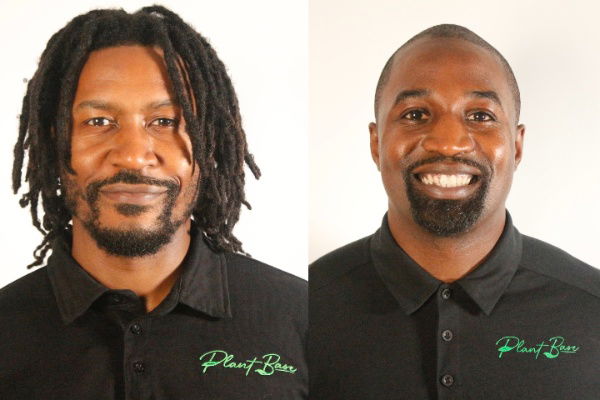
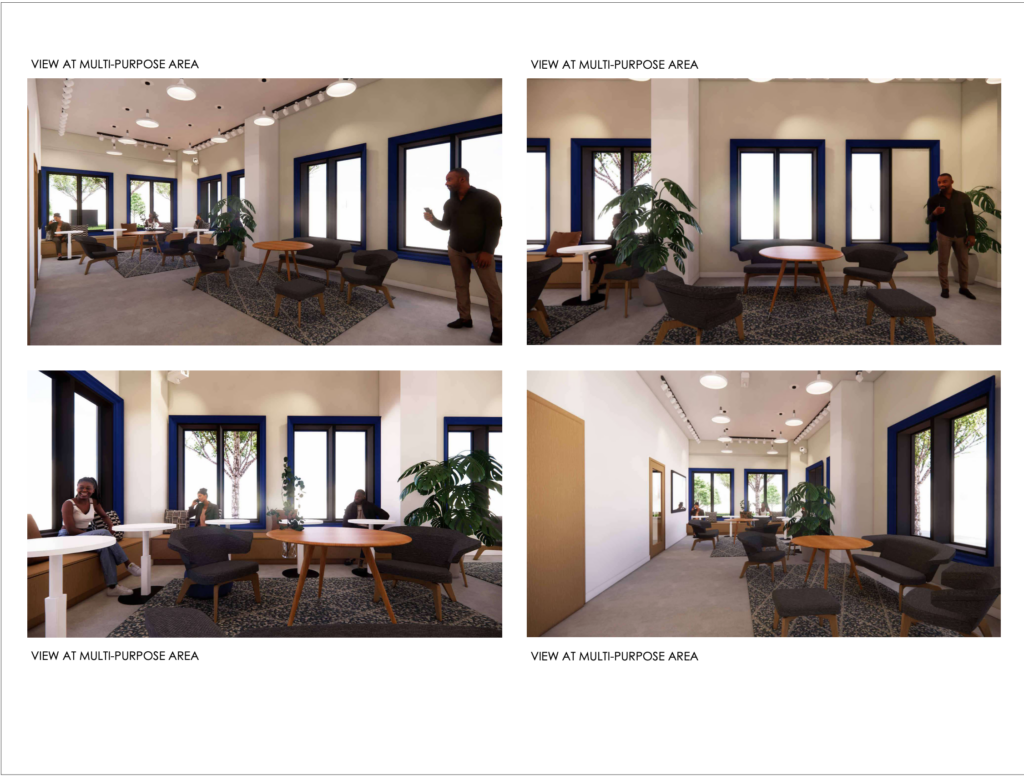
Meet Kevon Carter and Prince Abidoye, the founders of Plant Base, New Jersey’s premiere Black-owned and operated cannabis dispensary and cultural hub. Still, in the development phase, Plant Base’s vision goes beyond simply opening a store; it aims to create a pivotal space where culture and cannabis intersect, redefining how this ancient plant is integrated into contemporary life.
Plant Base envisions creating a welcoming space for cannabis consumption alongside a versatile event venue for branded gatherings, podcasts, and social functions—a first-of-its-kind in the New Jersey market. Although their approach is straightforward, Carter and Abidoye’s ambition to reshape the traditional dispensary model while remaining proudly Black-owned and operated has turned out to be more difficult than anticipated.
It’s been five years in the making since the company’s founding in 2019. However, Carter and Abidoye have a friendship dating back to the basketball courts of New York City at the age of 16. Over the next two decades, Carter earned his undergraduate degree from Georgia State, followed by a master’s from Canisius, and pursued a career in strength training. Meanwhile, Abidoye graduated from California State University, Stanislaus, and applied his skills in the field of social work. Leveraging their diverse professional backgrounds, the two childhood friends reunited to become trailblazers in an industry where independent Black-owned cannabis businesses make up less than 2%.
In July, Gov. Phil Murphy (D) signed the New Jersey Cannabis Regulatory, Enforcement Assistance, and Marketplace Modernization Act into law, legalizing and regulating cannabis use and possession for adults 21 years and older and decriminalizing marijuana and hashish possession. The policy shift could help and hinder Plant Base’s growth by enabling the grey market to flourish with low-cost bulk cannabis that skirts legal boundaries while simultaneously offering the emerging business a chance to break into the billion-dollar industry, bringing the founders closer to achieving generational wealth.
In an exclusive interview with BLACK ENTERPRISE, Carter reveals the plans he and Abidoye have to revolutionize the industry and become the first Black men to achieve this independently. Although there are other Black-owned dispensaries in New Jersey, external investments have often prevented them from remaining fully Black-owned. However, Plant Base’s founders have managed to retain 90% of their license ownership, with only 10% going to their investors, all without support from multi-state operators.
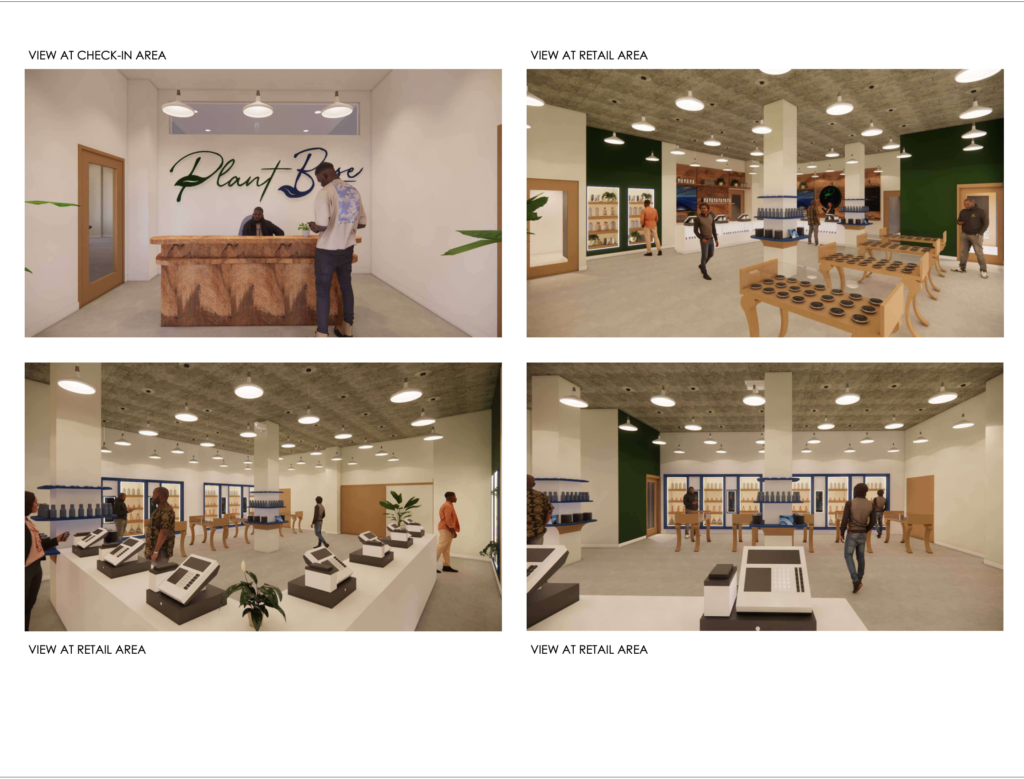
Renderings for Plant Base DispensaryRenderings for Plant Base Event Space
Tell us about Plant Base and what inspired the venture.
Plant Base is a lifestyle brand that merges community, wellness, and cannabis. The name “Plant Base” is a play on words, reflecting multiple layers of meaning. Growing up in Flatbush, Brooklyn, a highly Caribbean populated section of Brooklyn, Prince and I were familiar with a plant-based lifestyle, or “Ital” living. As a strength and conditioning coach, I integrated wellness concepts from my education and culture into the brand. My growing awareness of plant-based living extended to my approach to food and cannabis, leading me to use the plant with intention.
Prince, with his background in social work, saw the brand name as representing community and foundation. He was dedicated to strengthening communities and families into a bond that created the foundation. In another sense, Plant Base is planting a seed that can lead to wealth for our families and entrepreneurial endeavors beyond what we can see.
When we returned to Brooklyn from college—Prince from Northern California and I from Atlanta—we reunited with friends and discussed our experiences. The evolution of the cannabis industry in California, from medicinal to adult use, inspired us. Recognizing that cannabis would eventually reach the East Coast, we founded Plant Base in 2018, aiming to become a trusted brand in the New York/New Jersey tristate area. A big inspiration for us beginning this journey stems from both of our family’s experiences with the war on drugs and mass incarceration; it felt right to create a brand that embodies our culture and lifestyle as we were directly affected in many ways.
Despite initial setbacks with our 2019 medical license application and then the abrupt halt to the world because of COVID, we persevered. We built a stronger team, gained more experience, and raised over $500K. As a Class 5 Annual license holder, we’re developing an innovative cannabis retail experience. We want to contribute to the emerging East Coast cannabis culture by promoting wellness, creativity, and community through our unique offerings.
How do you plan to use Plant Base to disrupt New Jersey’s cannabis market?
In New Jersey, where the cannabis market is still forming its identity, our goal is to become a premier brand by fostering community and demonstrating how cannabis can be intentionally incorporated into daily life. In those efforts, we’re currently building out a 4,200 sq. ft. facility with a creative community space called Home Base. This space will host podcasts, brand installations, and social events and offer a workspace for members—a unique feature not found in many New Jersey dispensaries.
In 2022, we started our own podcast during the licensing phase to document our journey and educate new Black applicants about the process. Home Base will allow for content creation from us and an additional revenue stream for those needing space for brand installations, product showings, and even consumption. It’s designed to be a creative and productive space where people can safely work, create, and consume.
Along with our retail services, we will launch a delivery service to reach the surrounding towns that opted out of cannabis companies. Given the developing nature of the NJ market, we plan to collaborate with other brands to create new products that align with our identity and build relationships with small-batch cultivators and manufacturers to ensure quality.
Why do you think there aren’t many Black-owned and operated dispensaries in NJ and in the country?
Nationally, Black cannabis business owners make up only 4.3% of the industry, with an even smaller percentage being small business owners. The cannabis industry is capital-intensive, and traditional banking hasn’t been supportive due to the lack of federal legalization. Many people in our community don’t have millions of dollars or the investor networks needed to start a cannabis company.
Locally, challenges include securing real estate and navigating municipalities, many of which were unprepared with regulations for this new industry to become operational. Finding suitable real estate and connecting with municipalities to support cannabis businesses is difficult, especially with only a third of NJ opting in initially. A high cannabis tax is usually added to rentals or the purchase of land, which further complicates the opportunity to get into the industry.
As a result, many Black operators face significant barriers, often having to sell majority ownership to overcome these challenges or, unfortunately, selling their license.
What are some challenges you’ve faced while launching Plant Base?
As part of the inaugural licensing process, we faced numerous delays. It took almost a year to secure our real estate, which we then had to hold for two years without generating revenue—lengthy state and municipal timelines burned through a good chunk of capital. Finding a general contractor who valued our project was challenging. It was difficult to get the opportunity to have specific discussions until we had legal representation because a lot of this process has relationship factors to move things along.
Additionally, we were ineligible for state grants. The stipulations stated your cannabis company couldn’t have been created before 2020. Banking remains a significant hurdle, as cannabis is not federally legal, limiting our access to loans and traditional banking services.
Do you face particular barriers because of your race/ethnicity?
Yes, but the barriers are more about where we come from. Most Black entrepreneurs face capital challenges across industries because we often don’t come from wealth or have extensive networks for investment, especially in a capital-intensive field like cannabis.
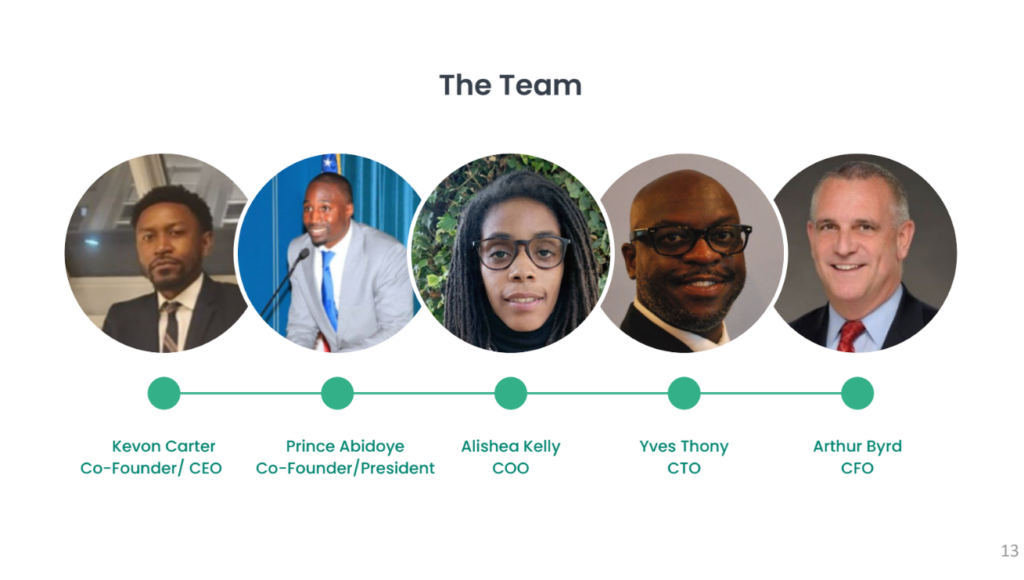
Plant Base Team
What has the funding process been like for you? Would it be different if you decided not to remain independently Black-owned and operated?
We assembled a C-suite team of five, which helped us raise over $500K in our initial funding round. Many investors believe in our team’s cannabis and business expertise. With unexpected delays from the state and municipality, we realized we needed to raise additional capital. Nonetheless, we still have funding from the first round of investments and moving closer to our first retail space coming to life. Selling majority ownership upfront would have expedited our opening, but it could also have led to predatory deals or minority ownership stakes.
Are there plans to expand Plant Base beyond the NJ market?
Yes, we plan to become a premier brand in our own lane. While our first store is located in Downtown Plainfield, NJ, we currently have a retail space in the Crown Heights section of Brooklyn, New York, and an application is under review. As we initially focus on retail, we aim to expand into manufacturing to build our brand and company further.
How can people get involved in bringing Plant Base to life?
We are currently seeking $300,000 in funding, available in exchange for equity or as a debt investment. This capital will support our goal of opening in the Fall/Winter of 2024. Interested parties can contribute by connecting to our crowdfunding campaign or contacting us directly at kcarter@plantbasellc.com for Kevon, Co-Founder/CEO.
Boosie Apologizes To Daughter For Saying He Doesn’t Want Her To ‘Contaminate’ Siblings
Boosie took to Instagram in an attempt to make things right.
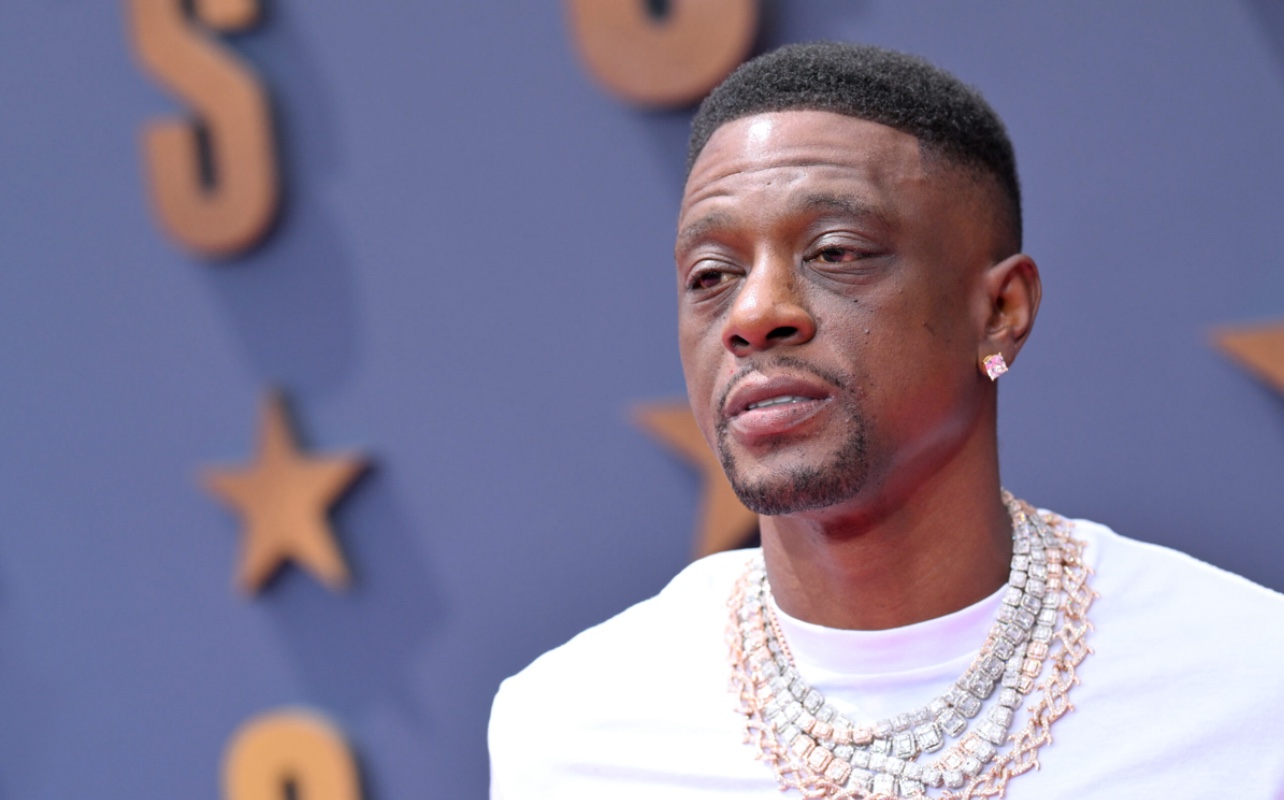
Boosie issued a public apology to his daughter Poison Ivi (Iviona Hatch) on Instagram after he publicly ridiculed her sexuality during a recent interview on Yung Miami’s Caresha Please podcast. .
The “Wipe Me Down” rapper, real name Torrence Hatch, apologized after his daughter, who identifies as a lesbian, posted a 12-minute video response calling out her father for the “hurtful things” he had done.
“I SAID SOME THINGS N I DIDNT KNOW ITLL HURT U YO DADDY TRULY SORRY N I HOPE U CAN FORGIVE ME 🙏🏿🙏🏿,” Boosie captioned his post. “LIVE N YO TRUTH N JUST KNOW THAT U ALWAYS MY BABY NO MATTER WHAT 💯💯 ACCEPT MY PUBLIC APOLOGY 🙏🏿🙏🏿 DADDY COULDVE SAID IT N A BETTER WAY 🙏🏿 U MY BABY N WILL ALWAYS BE DAT #daddybaby HOPE WE CAN TALK 💔.”
Boosie has apologized to his daughter Iviona after she voiced her issues with him speaking on her sexuality. pic.twitter.com/7Pac9jmsE4
During a live taping on Yung Miami’s podcast at Revolt World last week, Boosie said his daughter could “contaminate” her siblings by bringing around her girlfriend. After initially claiming that “it was nothing” when his daughter came out to her family, Boosie told Caresha that Ivi is still not allowed to “bring her situation to our house.”
“Because I don’t want it to contaminate her others, it’s a generation we raising,” he said.
Boosie says his daughter can’t bring her girlfriend home because he doesn’t want them to “contaminate” her other siblings. pic.twitter.com/KB3zILcLXQ
The rapper faced backlash over his remarks, and once his daughter caught wind of the comments, she let him have it. In a lengthy video, Ivi expressed how “fed up” she is with her father “bashing” her sexuality on the public forum.
“If the world really knew all the things and the hurtful things you told me before and I forgave, you wouldn’t even understand,” she said. “And no matter how you feel? At the end of the day, n-gga I’m yo’ blood. I am your daughter. And me, I feel like I done been through the most with you. And every time I turn around, it’s like you bashin’ me. And it’s like, the whole world can go against you, but as a woman, since I been a lil’ girl, I never would go against you. And I think I’m really fed up.”
While Boosie has addressed his daughter’s sexuality in several interviews, she claims he has yet to sit down and speak to her about it personally.
“He ain’t never not had one sit down with me, myself, just him and Iviona, and asked me, ‘Why you became that way, Fat? What triggered you?’ It never been that,” Ivi said. “Every question y’all askin’ him, and he givin’ them answers? If I go ask him that, he wouldn’t give me an answer. The things that he do, bruh, I woulda never thought he would do.”
She continued. “Like, I would respect if you just say, just one time just say, ‘My daughter know how I feel about that. Can we move on to the next question?’ I can never get that from you. If y’all go look at my interviews, y’all would see: anytime they try to make it seem like my daddy don’t f*ck with me or he this and that, I say, ‘He love me regardless. This my pops. I ain’t goin’ against him. Y’all ain’t gon turn me against him,’ I always stood on that. And it’s like I feel like you just don’t be carin’. You don’t care about my feelings no more.”
Boosie’s daughter Iviona expresses her frustration with her father always speaking on her sexuality. pic.twitter.com/W8tfeRWqrD
In addition to the negative comments on her sexual orientation, Ivi called out Boosie for not showing any public support for her music. It looks like her video message had an impact on the “Set It Off” rapper, who followed up with an apology and a repost of a video showing off Ivi’s lyrical skills.
‘Sing Sing’ Actor JJ Velazquez Exonerated After 23 Years In Prison For Wrongful Murder Conviction: ‘I’m Getting Part Of My Dignity Back’
'This is not a celebration,' Velazquez said. 'This is an indictment of the system.'
Actor and activist Jon-Adrian “JJ” Velazquez was exonerated nearly 30 years after being convicted of a crime he did not commit.
On Monday, a New York judge overturned Velazquez’s conviction in the 1998 murder of a retired New York City police officer, NBC News reports. It took only four minutes to deliver the ruling, a stark contrast to the 27 years Velazquez spent as a victim of a flawed criminal justice system.
Velazquez was emotional, fighting back tears, pounding his chest, and pumping his fist before embracing friends and family after being officially exonerated. “Twenty-seven years!” his mom exclaimed through cries.
“I do want to recognize the extraordinary achievements of Mr. Velazquez throughout the time he was incarcerated and since his release,” New York Supreme Court Justice Abraham Clott told a packed courtroom.
Velazquez spoke of missing out on his two sons’ lives while incarcerated. His sons were just 3 and 1 months old at the time of his arrest.
“I was kidnapped by this country and enslaved,” he said while detailing some of the horrors and trauma he suffered while imprisoned. He added, “This is not a celebration. This is an indictment of the system.”
Velazquez’s journey to exoneration was chronicled over the yearsafter he contacted NBC News producer Dan Slepian in 2002. Whether having his story shared on Dateline NBC, a 2012 investigation, or the 2023 podcast Letters from Sing Sing, Velazquez has always maintained his innocence.
He was just 22 years old when he was arrested for the shooting death of retired police officer Albert Ward at an illegal gambling parlor in Harlem. Velazquez, accused of being the gunman, maintained that he was on a 74-minute phone call with his mother at the time of the shooting. Meanwhile, another man, identified as one of the two armed robbers, pleaded guilty to a second-degree robbery charge and was released in 2008.
Despite having an alibi supported by phone records and not matching the suspect’s description, Velazquez was still sentenced to 25 years to life. Despite a 2012 Dateline NBC investigation prompting a review by the Manhattan District Attorney’s Conviction Integrity Unit, the conviction was upheld.
Velazquez’s numerous efforts to have his conviction overturned were consistently denied. However, in 2022, the Manhattan District Attorney’s Post-Conviction Justice Unit decided to reinvestigate, including testing DNA on a betting slip handled by the shooter, which had not been available at the time of the original case. The results confirmed that Velazquez’s DNA was absent on this crucial evidence.
Almost a decade after the Dateline investigation, on August 17, 2021, Velazquez received executive clemency from then-New York Governor Andrew Cuomo. He was released from Sing Sing prison on September 9, 2021, after serving 23 years, eight months, and seven days. During a criminal legal reform forum in Oct. 2022, President Joe Biden issued a public apology to Velazquez.
But with the conviction still in place, Velazquez needed permission to travel, among other parole-based restrictions.
“It’s a lot deeper than discrimination. It comes down to diminishing a person’s human dignity. I’m getting a part of my dignity back,” Velazquez said ahead of his exoneration.
In 2023, Velazquez co-starred with Colman Domingo in the A24 film Sing Sing, less than a year after his release from the same prison where the film was shot. Based on a true story, the movie follows John “Divine G” Whitfield (played by Domingo), a man wrongfully imprisoned at Sing Sing. He discovers purpose through the prison’s Rehabilitation Through the Arts program alongside a group of other incarcerated men. Velazquez called the film “one of the most important things I’ve done in my life.”
Velazquez is a criminal justice reform activist and a founding member of Voices From Within, an educational initiative that tackles the issues of crime and incarceration through the perspectives of those who are incarcerated. He also hopes to do more acting in the future. Velazquez’s journey will be featured in the upcoming MSNBC docuseries, The Sing Sing Chronicles, directed by Dawn Porter.