Shaquille O’Neal Certain To Benefit From Champion’s Acquisition By Authentic Brands Group
Shaquille ONeal is reportedly the second-largest shareholder in Authentic Brands Group
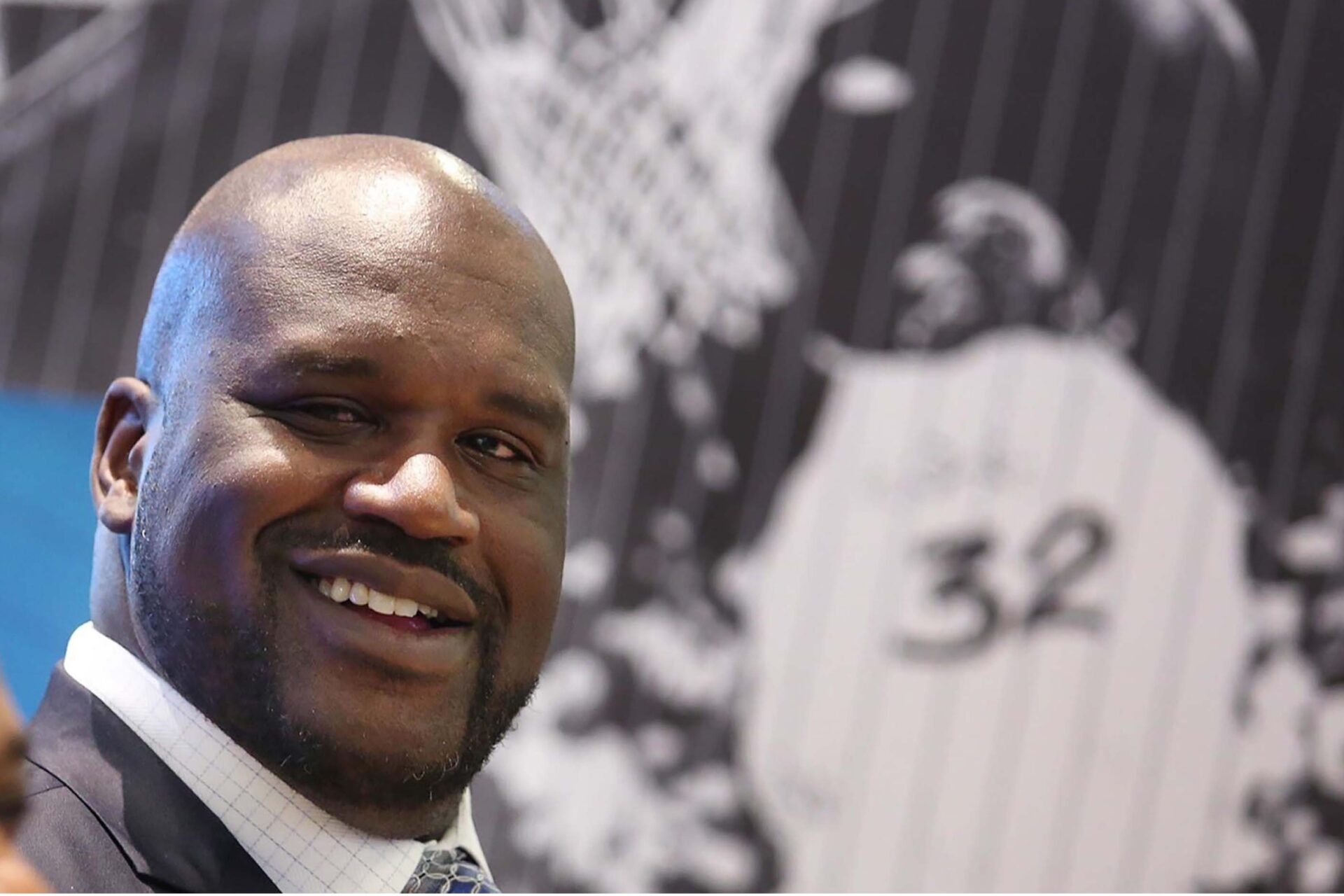
In June, HanesBrands announced that clothing brand Champion was being acquired by Authentic Brands Group for a reported $1.2 billion. Earlier this month, Ames Watson confirmed that in partnership with Authentic, it will lead the management of Champion’s U.S. collegiate apparel and team wear business. This deal bodes well for NBA Hall of Famer Shaquille O’Neal as he is reportedly the second-largest shareholder in Authentic Brands Group.
In an earlier interview with AfroTech, Shaq expressed why his agreement with Authentic is beneficial to him and his brand.
“My Authentic Brands deal, I was able to ensure that hopefully I can stay around after I’m no longer on this earth. And I was walking down the street one day and looking at these Elvis cups and Elvis key chains and Marilyn Monroe, and I said to myself, ‘How are these people still making money for their families?’ They’re not even around. So, I found out how that business works, and I contacted two or three of those agencies and asked them if they were interested in partnering with Authentic Brands, and we’ve been doing major things.”
Now, with the acquisition of the Champion brand, which generates almost $3 billion in global retail sales a year, as the second-largest shareholder, it’s sure to place more capital in the bank account of Shaquille O’Neal.
“I’m now the second-largest shareholder in Authentic Brands Group, and last year our purchase was Reebok and Ted Baker and a couple of other brands. So, we’re doing pretty well.”
Jamie Salter, founder, chairman, and CEO of Authentic added his thoughts to the recent purchase.
“Champion has set the standard for quality and innovation for over a century,” said Jamie Salter, founder, chairman, and CEO of Authentic. “This acquisition marks a significant milestone, not just for Champion, but for Authentic as well. With the strong backing of our partners at GearCo, BBC, and AMG Companies, we’re in a prime position to accelerate Champion’s growth globally. Together, we’ll honor its rich heritage while driving innovation and expanding its reach to new markets and consumers. We look forward to shaping the future of this iconic brand.”
Shaquille O’Neal had some fun news last month when he announced his latest venture.
The Inside the NBA host has introduced the world to Shaq-A-Licious XL Gummies. The new candy line comes in two varieties: Shaq-A-Licious Original, shaped like Shaq’s face, and Shaq-A-Licious Sour. The sour, oversized gummies come in three different shapes and flavors, named after some of the nicknames he picked up throughout his basketball career: “Diesel,” “Big Cactus,” and “Big Shamrock.” The flavors for the Shaq-A-Licious Sour are pineapple, mixed berries, and watermelon.
American Association For Cancer Research Calls For Public Health Campaign On Alcohol’s Cancer Risk
This research casts serious doubt on the positioning and perception of alcohol as a 'social lubricant' in various settings and builds on existing research that cautions alcohol consumption leads to an increased risk of developing cancer.
According to the report, “Excessive levels of alcohol consumption increase the risk for six different types of cancer: certain types of head and neck cancer, esophageal squamous cell carcinoma, and breast, colorectal, liver, and stomach cancers.”
The report also indicates that due to the lack of public awareness about the link between alcohol and cancer, a public information campaign is necessary to create awareness of potential risks associated with alcohol consumption. According to the report, 40% of new cancer cases are tied to preventable risk factors, including excessive alcohol consumption.
Per the report, “Unfortunately, awareness about the link between alcohol and cancer is still low, highlighting the need for public messaging campaigns, such as cancer-specific warning labels displayed on alcoholic beverages, along with effective clinical strategies to reduce the burden of alcohol-related cancers.”
Even more sobering, is the process by which alcohol can damage your DNA.
As a byproduct of the chemical reactions the human body creates in order to break down alcohol, your body produces a substance called acetaldehyde, which is capable of literally re-writing your DNA by creating mutations that can end up producing cancerous cells.
In addition to this, alcohol can impair vitamin and nutrient absorption, (this is why certain prescription medications come with a warning not to consume alcohol) alter a person’s hormone levels, and make it easier for harmful chemicals to penetrate sensitive cells in a person’s mouth and throat.
Although some studies have suggested that certain types of alcohol are better than others (see various studies positioning the moderate intake of red wine as a health benefit), those studies do not involve cancer risk. Further, it is ethanol, the chemical name for alcohol itself, that is a carcinogenic agent.
According to Ben Jordan, the desire to reduce the negative effects of ethanol pushed him to create a line of machines that can be either purchased or rented that remove alcohol from beer.
“I was wanting to drink beer at parties and in social environments, but didn’t want the effects of ethanol,” he told CNN. At the time, Jordan recalled, the non-alcoholic beer options were “pretty bad.”
According to Jordan, non-alcoholic beer could end up composing as much as one-fifth of the US beer market. “Things look very positive for the non-alcoholic beer industry right now,” Jordan added.
Duane Stanford, the editor of Beverage Digest, told CNN that the alcohol industry is also seeing the potential benefit of non-alcoholic beverages, as alcohol sales have slipped in recent years.
“There is a real market force now to go and create those solutions and to really work at it. There’s money to be made. So people are figuring it out,” Stanford said.
Stanford continued, musing that as long as companies can create value in the minds of consumers, they will pay the premium costs associated with non-alcoholic beverages.
“Upwardly mobile, young consumers who want these kinds of products for specific lifestyle reasons — as long as you’re offering them quality and something that they actually want to hold and be seen with, they will pay those prices,” Stanford said.
Cissy Houston, Grammy-Winning Mother Of Whitney Houston, Dies At 91
Cissy Houston passed away on Monday at age 91. She was surrounded by her family.
Cissy Houston, the Grammy-winning gospel singer and mother of the late Whitney Houston, passed away on Monday at age 91.
Houston passed away at her New Jersey home while surrounded by her family, The Associated Press reported. The two-time Grammy winner, who performed alongside superstar musicians like Elvis Presley and Aretha Franklin, was receiving hospice care for Alzheimer’s disease at the time of her death, her daughter-in-law Pat Houston confirmed.
“Our hearts are filled with pain and sadness. We lost the matriarch of our family,” Pat Houston said in a statement, noting Houston’s “unparalleled” contributions to popular music.
“Mother Cissy has been a strong and towering figure in our lives. A woman of deep faith and conviction who cared greatly about family, ministry, and community. Her more than seven-decade career in music and entertainment will remain at the forefront of our hearts.”
“We are touched by your generous support and your outpouring of love during our profound time of grief,” Houston said on behalf of the family. “We respectfully request our privacy during this difficult time.”
Houston’s music career began in 1938 when she teamed up with her sister Anne and brothers Larry and Nicky to form the gospel group The Drinkard Four, which recorded one album. She later became a member of the renowned vocal group Sweet Inspirations alongside Doris Troy and her niece Dee Dee Warwick. The group provided backup vocals for a range of soul artists, including Otis Redding, Lou Rawls, The Drifters, and Dionne Warwick.
The Sweet Inspirations dominated the 1960s by lending their vocals to classic singles like Van Morrison’s “Brown Eyed Girl” and The Jimi Hendrix Experience’s “Burning of the Midnight Lamp” in 1967. That same year, Houston contributed to Aretha Franklin’s timeless hit “Ain’t No Way.”
Houston’s final performance with the Sweet Inspirations took place during a Las Vegas show with Elvis Presley in 1969. Her last recording session with the group resulted in their biggest R&B hit, “(Gotta Find) A Brand New Lover,” written by the renowned production team of Gamble & Huff, which appeared on the group’s fifth album, Sweet Sweet Soul.
After pursuing a solo career, Houston became a highly sought-after singer who recorded over 600 songs across multiple genres throughout her career. Her vocals can be heard alongside a diverse array of artists, including Chaka Khan, Donny Hathaway, Jimi Hendrix, Luther Vandross, Beyoncé, Paul Simon, Roberta Flack, Burt Bacharach, Barbra Streisand, and her daughter.
Houston attended New Hope Baptist Church, where she eventually became the Minister of Sacred Music. As a gospel singer, she won two Grammys for Best Traditional Soul Gospel Album for her albums: Face to Face in 1997 and He Leadeth Me in 1998.
Houston was the youngest of eight children and welcomed her three children, Michael, Gary, and Whitney Houston. Whitney passed away in 2012, followed by her daughter Bobby Kristina Brown in 2015.
Atlanta Graphic Designer Pays Tribute To Late News Anchor Jovita Moore With Latest Piece
While no longer living, Moore's memory remains part of the community as it continues to celebrate her life and legacy.
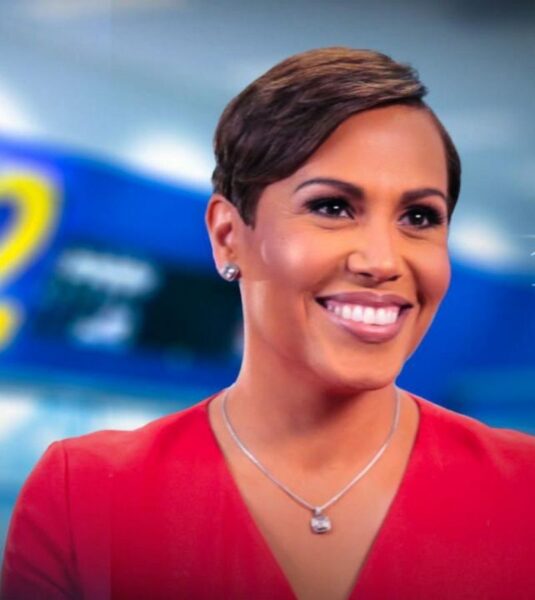
A graphic designer in Atlanta is using his skills to honor a deceased member of the city’s community. John-Paul Moore’s latest work pays tribute to late news anchor Jovita Moore on her 57th birthday.
The local artist told Moore’s former work home, WSB-TV, that his art does more than paint a picture. Instead, he hopes to use his gifts to tell that person’s story.
The image features multiple pictures of Moore throughout her career, which spanned over two decades in news service to the Atlanta community. In his latest artwork, the designer hoped to capture Moore’s legacy and impact on the city.
“These tributes are a way to keep their legacy alive, so they’re not forgotten,” Moore explained to the news outlet.
Through these means, he has also captured other deceased figures, such as James Earl Jones and Frankie Beverly. However, doing so for Moore on her birthday remains extra special.
“This is my most recent design,” he shared as he gave the image to the news channel studio in Midtown Atlanta. “I really love the fact that she looks so happy. It tells a great story of her life.”
Moore was a long-time and beloved face for Atlanta families who watched WSB-TV, as the journalist had been with the station since 1998. She continued her role as she could while she battled a rare form of brain cancer. She later died from the illness in October 2021.
“I just think it’s important that we never forget her and we keep her memory alive and celebrate the beautiful person she was inside and out. She’s a treasure, definitely an Atlanta, Georgia, and American treasure,” Moore said.
Others in the Atlanta area also remember Moore, who has an HBCU scholarship named for her by the Jaguar Foundation. She served as a board member and emcee for the nonprofit and its events. Her former employer also hosted a Jovita Walk with the National Brain Tumor Society to raise awareness of the cancer.
Moore’s memory remains part of the community as it continues to celebrate her life and legacy.
With the program being on hold, approximately 85,000 people are still on the list for a coveted federal housing choice voucher, also known as Section 8. The voucher helps keep residents’ costs down on rent, close to 30% of a person’s income. The number of people on the waitlist exceeds the population of Farmington Hills. As a result of the pause, 5,000 residents identify as homeless, and MSHDA officials have stopped even adding people to the list.
In the city of Detroit, 3,000 people sit on the list, leaving people wondering why. The reason? Federal funds from Congress allegedly aren’t consistent with the influx of rent as well as the limited resources of affordable housing keeping the rent high. Principal deputy assistant secretary for public and Indian housing for the U.S. Department of Housing and Urban Development (HUD), Richard Monocchio, said the higher cost per voucher puts a “bigger strain on the funding that we receive from Congress.”
However, that is not the excuse voucher receivers want to hear. Khrystena Humber is one of the names on the list, along with her four children. She said she was disappointed to learn of the pause, while living in a shelter, and was hoping the voucher was her way out. She left her previous home after her roof caved in, and the damaged walls and carpet made the home unlivable. Working part-time, Humber is concerned about not being able to pay her rent. “I would hate to have to go back to the shelter,” the Detroit resident said.
“I would hate to be back homeless. I would hate to have to go back to that state of mind that I was in if Section 8 don’t come because I can’t afford to lose my house or just not have a house, period, to be stable for my kids.”
According to Michigan Live, Michigan State Housing Development Authority Chief Executive Officer and Executive Director Amy Hovey released a statement in May 2024 saying that the agency is doing all they can to address the funding shortcomings. “At a time when Michigan is gaining traction in addressing our housing challenges, this reduction in funding will only take us backward and make things worse for our most vulnerable neighbors,” Hovey said.
But officials also claimed those already on the list wouldn’t be affected. “We’re not removing folks from the program. It’s just we’re very limited at this time,” Lisa Kemmis, the Michigan State Housing Development Authority’s director of rental assistance, said at the time.
Federal funding for the 2024 voucher program isn’t enough to match Michigan’s growing housing costs. States like Maine and Oklahoma are experiencing similar issues. For a family in Michigan, the average cost for a housing unit is $780 a month – with the agency receiving $727 – increasing by $60 from 2023’s average monthly unit cost being close to $720.
The state housing authority only received close to $250 million in federal funding in 2024. In 2023, MSHDA received $242.5 million, spending $244.6 million and using approximately $2 million from reserves.
Angel Reese Shuts Down Haters While Supporting Multiple NFL Teams
Reese clarified why she was at both games after Bleacher Report asserted that she was on a "NFL Tour."
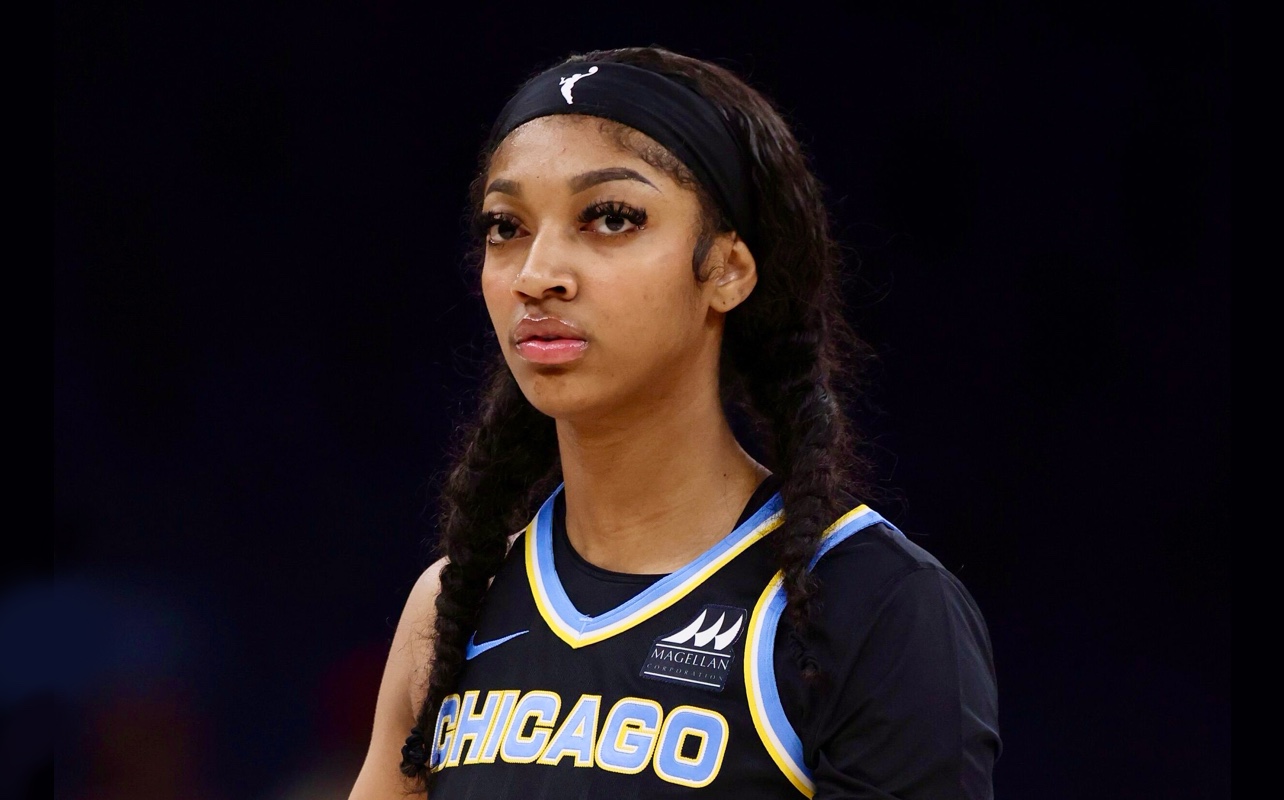
Angel Reese can have her home team and enjoy others too. The WNBA rookie shut down haters’ critiques as she showed love to multiple NFL teams while at their games.
Reese was first spotted at her hometown team’s, the Baltimore Ravens, game against the Buffalo Bills on Sept. 29. However, she began to face some backlash for going to see the Chicago Bears play that following NFL Sunday.
Reese clarified why she was at both games after Bleacher Report asserted that she was on a “NFL Tour.” Reese emphasized that she can love her hometown while still supporting her new city. The 6’3″ forward currently plays for the Chicago Sky.
The athlete has also been making her own name in the Chicago sports scene. The rookie has had a record-breaking year, securing new firsts in double-doubles and rebounds on the court.
While the Sky did not make this year’s WNBA playoffs, the young WNBA star is taking advantage of the off-season by enjoying other sports. As both the Bears and the Ravens earned victories with the 22-year-old present, Reese may become a fan favorite to see at the games.
Moreover, the athlete is trying to emerge as a media personality as well. She currently hosts a new podcast, Unapologetically Angel. Most recently, Reese brought NBA legend Dwyane Wade to speak on his professional sports career and the rise of the WNBA.
Reese has brought out other sports stars, such as A’ja Wilson, to appear on her newest venture. While expanding her enterprises, Reese’s impact on sports and media continues to make new waves.
Historic Georgia School Honored With Plaque Commemorating Legacy Of Segregation-Era Education
The former Lemon Street Elementary School, a school in Marietta, Georgia, educated Black students during America's era of segregation and “separate but equal” education policies.
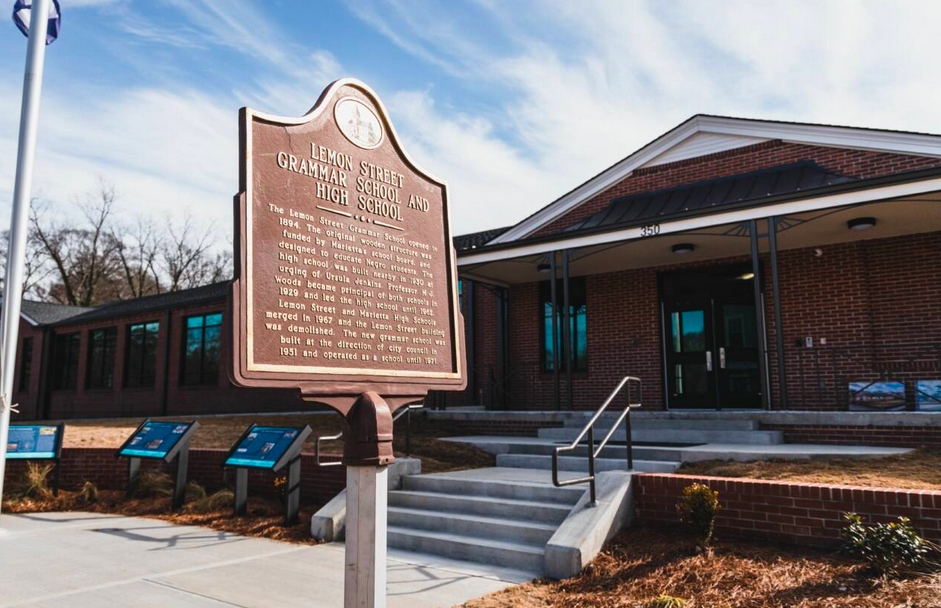
The former Lemon Street Elementary School, a school in Marietta, Georgia, that educated Black students during America’s era of segregation and “separate but equal” education policy, had a plaque honoring its status as a member of the National Register of Historic Places unveiled on Oct. 5.
According to WSBTV, the school was added to the registry earlier in 2024 in recognition of its work during segregation, recognizing history that education system leaders in Marietta said reflects the city’s history.
As Marietta City Schools Board Member Angela Orange told the outlet, “The history of the Lemon Street School reflects the history of Marietta itself. It’s a story of progress, resilience, and hope. As we welcome back the alumni and families who lived through that history, we’re reminded of just how far we’ve come,” Orange said.
Orange concluded, “This plaque is more than a symbol of the past—it’s a call to action for the future, to ensure every child has the opportunity to learn, to grow, and to succeed.”
Over the years, the school, which officially closed its doors in 1971, has seen use for several other functions, including a junior high school, public library, community center, and a storage facility.
Marietta Superintendent Grant Rivera said at the ceremony that in his first five months in the position, numerous offers were made by developers to purchase the school, but he rebuffed them because “This place is special. This place stands today to honor your legacy, to tell your story so it is never forgotten.”
Rivera, along with the members of the Marietta Schools Board and former students at the school, were instrumental in keeping the building where it currently stands.
In 2020, the Marietta City Schools Board of Education voted unanimously to spend $5.3 million to renovate the school so it could again be used for its original purpose as an education facility.
Following the completion of that work, in 2021, the school was re-opened as the Woods-Wilkins Campus and is currently the home of three of Marietta High School’s nontraditional education programs.
According to Lemon Street alumna Fleeca Wilson Taylor, the preservation effort was one way she and the members of the community felt they could honor the lessons taught by the educators who once walked the halls of the school.
“We all came together and focused on one goal, one common goal: preserve this building and the history it represents,” Wilson Taylor told the Marietta Daily Journal. “We did exactly what those teachers…who used to teach in these rooms (taught us).”
‘Kalamazoo Forward Ventures’ To Fund Business And Innovation In Southwest Michigan
Kalamazoo Has Something To Say To The Tune Of $50M
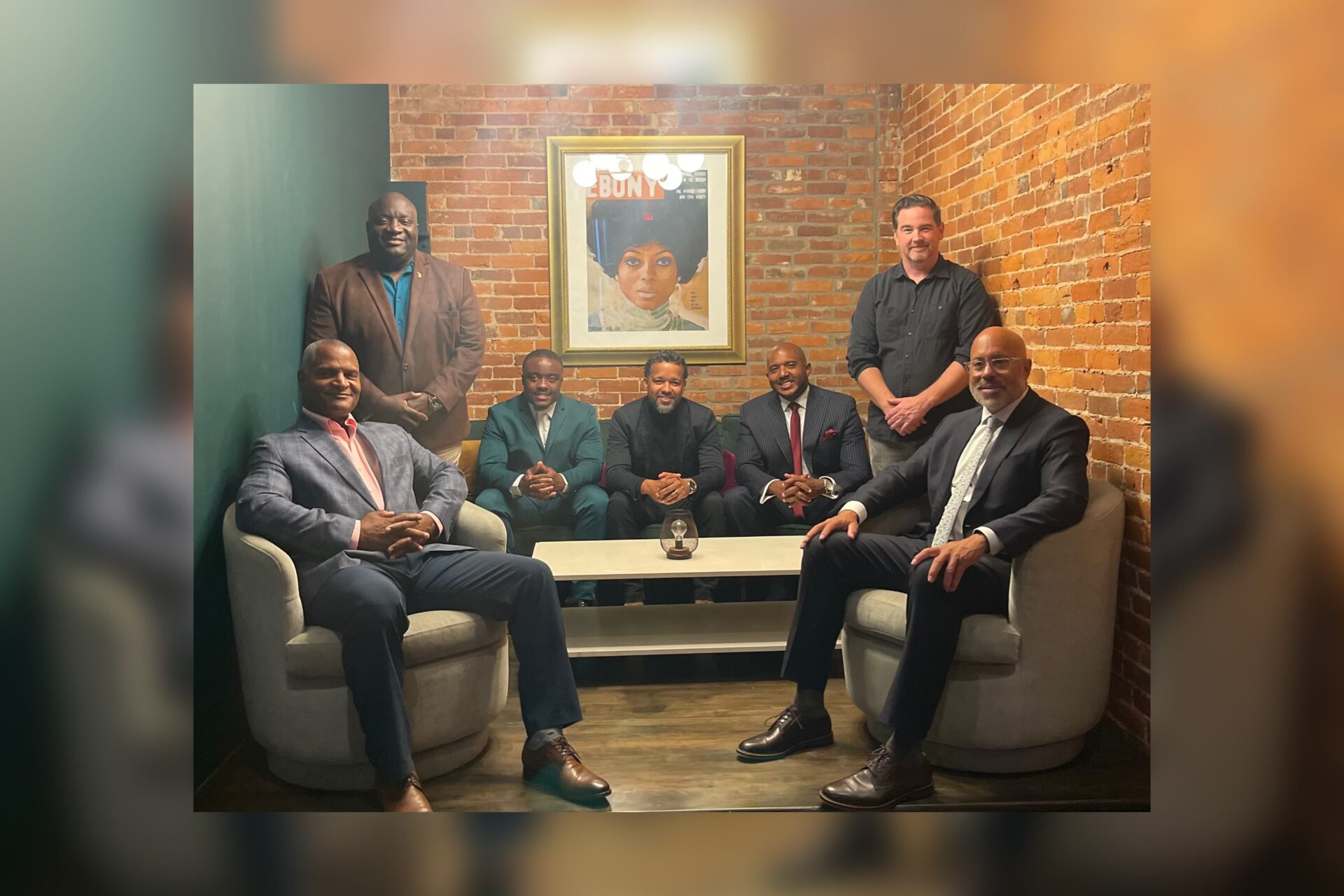
In Kalamazoo, Michigan, where non-minority-owned employers firms (3367) outnumber minority-owned employer firms (255) by roughly 12 times, according to the United States Census Bureau, seven men have joined forces to be the change they want to see in their community. On Sept. 24, the collective known as Kalamazoo Forward Ventures (KZFV) announced its commitment: a whopping “$50 million capital investment” for underrepresented businesses and founders, across three sectors, that are seeking assistance to startup or scale up their companies.
“We got together, came up with a concept and here we are,” Von H. Washington, Jr. told BLACK ENTERPRISE.
“We are a venture fund that’s focusing on three areas of our community, venture capital, real estate and Main Street; Main Street being those small business owners who are really just trying to put it together and they need access and capital so they can scale.”
The group is comprised of CEOs, educators, and public advocates, who have a wealth of experience and knowledge among them, and includes former Kalamazoo Mayor Bobby Hopewell—and the youngest partner Jamauri Bogan, who is also the first and only Black real estate developer in the ambitious Midwest city.
“We know there’s a few things that’s happening in the housing ecosystem,” Bogan addressed audience members.
“There’s a shortage of housing and when we look at the overall landscape of BIPOC-, Black-, women- owned development companies around the country, there’s less than 1 percent. And so, we have to figure out a way to move the needle to make a difference. That’s why we created a real estate fund to address the housing shortage here in Kalamazoo.”
Hopewell’s upbringing in Kalamazoo and his ventures in business, healthcare, and government policy have aptly prepared him for his role in KZFV, particularly his tenure as the city’s mayor.
“Every opportunity l’ve had, every interaction I’ve been able to have with building relationships and connecting to people in different neighborhoods, different businesses, other governmental leaders within and outside of our city, has grown me to be able to wander into spaces and have conversations differently,” the former mayor told BE.
“I’m also a product of a single mom.”
Hopewell continued: “I have four brothers and sisters that inform my thinking …. I’m also involved in health care [and] have been for most of my career …. whether it’s being a mayor, being an entrepreneur, being a CEO, all of these things drive me to understand that we have to broaden the tent, that we have to bring folks together. It’s about relationships, it’s about standing by somebody, standing behind, somebody, standing in front of them at times. All of that creates the grand tapestry that we’re trying to make in this city and beyond.”
Collectively, the partners have a solid vision and an intentional plan to move western Michigan forward with their newly launched initiative
“The goal is to find opportunities in our community to support our small businesses,” Dwayne Powell Jr. shared. “Whether it be our students, whether it be our neighborhood businesses, whether it be minority- or women—our under-represented entrepreneurs with traditional business.”
Powell added, “Our goal is to get in where we fit in. We want to support the existing organizations that are already supporting our small businesses.”
Kalamazoo Forward Venture is surely a much needed alternative for Black businesses in Kalamazoo to get in the game or perhaps level the playing field. In 2020, as companies and entrepreneurs were feeling the brunt of the global pandemic due to COVID-19, Kalamazoo Micro-Enterprise Grants were given to 100 local businesses. Fifty-eight percent of the grant, which was facilitated by United Way of Battle Creek and Kalamazoo Region, was allocated to white-owned businesses, Community Voices, reported. Out of the $500,000 dispersed, under one-third was received by Black businesses. Even more disappointing is African Americans were allegedly left out of grant funding from the Michigan Economic Development Corporation (MEDC) through Southwest Michigan First. Nicole Triplett, who founded Kalamazoo Black Wall Street Facebook group, called out the disparity and took up grievances on her platform through a series of conversations which led United Way to reaccess
“[United Way] turned what was intended to be a loan-only fund into a loan and grant fund and were willing to look at their application process. Black Wall Street Kalamazoo was able to allow Black entrepreneurs the chance to apply as well, and many were awarded,” Triplett told the local outlet.
KZFV emerged after recognizing these types of gaps in funding which fall disproportionately among the underserved demographic in Kalamazoo.
“We’re a for-profit organization but we are going to look at those venture capital opportunities that may have fallen just on the outside that may need a little bit more support,” Eric L. Wimbley told BE.
“We may be taking a little bigger risk depending on the people that are presenting the idea. We do wanna serve our BIPOC community. We do wanna serve our women of color and women in all aspects … people who are just being missed and not given the opportunity.”
KZFV partner Eric B. Cunningham chimed in: “This is going to be relational, not gonna be transactional.”
“Our ability to get [future leaders and entrepreneurs] at a young age is going to create the future that we need, and it’s gonna be moving at the speed of trust and then also the educational component, we have huge educational institutions here that we can really lean into … it’s gonna be a cultural change.”
Black Women In London Push For Emojis That ‘Normalize Our Hair’ And Represent Diverse Hairstyles
A nonprofit in London has launched a campaign aimed at getting emojis with diverse hairstyles.
A group in Hackney, London, advocates for a more diverse range of emojis that better represent the variety of Black hairstyles.
Rise.365, a community support group based in London, is pushing to include hairstyles like afros, braids, and curls among the 3,790 available emojis. The organization launched the campaign in response to increasing concerns from members who had experienced hair discrimination.
“It’s sad and disappointing because it’s just showing how we [Black people] are not really seen in a bright light because you’ve got a blond or ginger girl, and you haven’t got just a simple girl with an afro, braids or anything like that,” Reanna Bryan, 18, told The Guardian.
Bryan reached out to Rise.365 after being told her braided hairstyle was unsuitable for the kitchen at her new culinary job. Recognizing that many others shared similar experiences, Rise.365 launched a campaign advocating for more diverse emojis representing Black hairstyles.
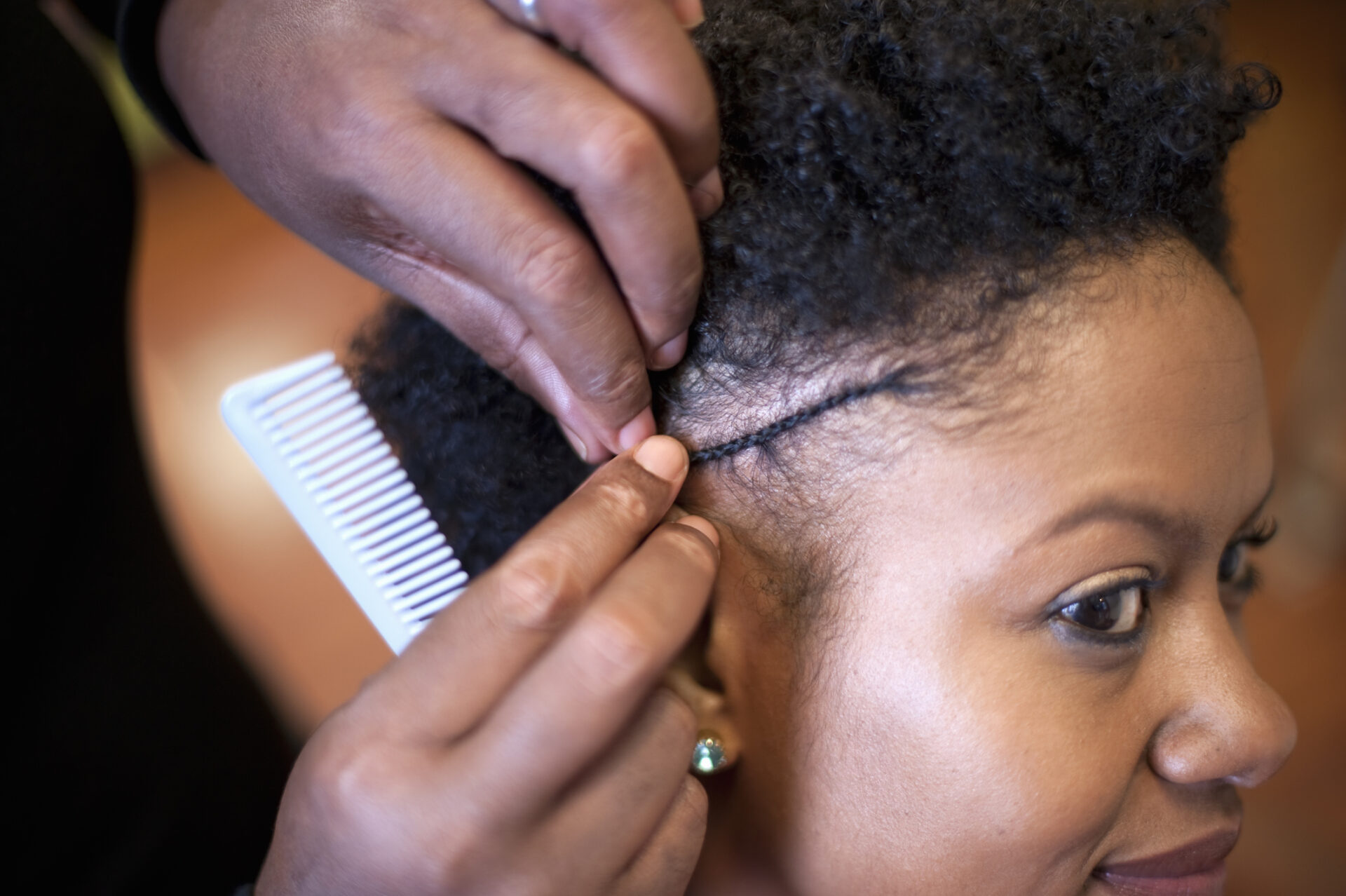
“Black people, and women in particular, tend to have so many different hairstyles, but none of these are represented,” said Amina Gray, a youth mentor and facilitator at Rise.365.
“We need to normalize that our hair –- whether it’s in its natural state or it’s in a protective hairstyle –- is acceptable … is professional.”
Young group members at Rise.365 were tasked with designing emojis that would help address the imbalance and showcase common hairstyles worn by Black people.
“I asked all of our young people to draw something that either reflects them or an emoji they would like to see on the keyboard,” Gray explained.
The group narrowed its designs down to four styles that best represented the diversity of hairstyles in the community: braids, afros, locs, and cornrows. Vanita Brown, a junior designer at Good Relations PR, helped bring the sketches to life.
“Most emojis tend to reflect the majority,” Brown said. “I feel that Black and mixed-race hairstyles weren’t prioritized in the initial designs because the creators didn’t necessarily consider or prioritize the diversity of Black hairstyles.”
Unicode Consortium accepts new emoji proposals, with only a small portion approved for encoding. Rise.365 plans to submit its designs in April 2025.
“The four we have designed are just the start. [The campaign] is a teaching opportunity,” Gray said. “I don’t want people to think we just want emojis because we want to be represented that way. It’s because there’s a much deeper message behind it, about empowering people and helping people realize that their hair is beautiful.”
‘Don’t Touch My Hair’ Exhibit Is A Celebration Of Black Women’s Hair Culture And Strength
Don’t Touch My Hair celebrates Black women and hair culture.
Eight years ago, Ayana Morris was struggling with her identity as a Black woman. She felt insecure and was trying to figure out her career path. During that time, she came up with the idea of “Don’t Touch My Hair.”
“When I was a little girl, I never dreamed about marriage or having kids. I always thought I would have a big career, single with a cat,” she tells Black Enterprise. “My life has been the opposite of that. I’m a married woman with multiple children. I balance being a supportive wife and mom, but [my] career did not grow as I envisioned.”
Morris is a designer, film director, and producer known for her 2022 documentary, “Why Are We Americans,” which explores the life and legacy of poet Amiri Baraka. She says being a wife and mom are her greatest titles. Still, she was searching for the opportunity to be made whole, especially after Newark Moonlight Cinema, the Black-owned drive-in theater she created during the pandemic, closed.
Nearly 10 years after she came up with the idea, Morris’s dream of Don’t Touch My Hair has come to pass. Her immersive mobile experience will debut during the Newark Arts Festival, The Culture Parlor. It’s more than an experience that explores a common request from Black women.
Don’t Touch My Hair celebrates Black women and hair culture. Morris says it’s a space where she hopes guests find their voice and make peace with who they are.
“It’s a rallying cry to galvanize women and to decolonize people to find their strength and celebrate their uniqueness,” says Morris. “The exhibit celebrates our beauty […] grit and tenacity.”
Inspired by her husband, who was building a home out of shipping containers, Don’t Touch My Hair is in a modified shipping container designed with an archway of 3D-printed hands, symbolizing the unsolicited and intrusive act of touching a Black woman’s hair. The experience delivers a powerful statement that urges society to stop policing Black hair.
The multiday cultural activation, Don’t Touch My Hair, runs from Oct. 11 through Oct. 13 and features live performances, spoken word, a DJ, panel discussions with Misa Hylton and Mikki Taylor, a close-out Grit & Glam Brunch, and more.
“In the experience, there is a wonderful hair salon, a gallery with portraits and film that celebrates the evolution of Black hair and its historical reference,” says Morris.
The Don’t Touch My Hair exhibit will be in Harriet Tubman Square in Newark, New Jersey, until Nov. 15th. Then, it will head to Miami Art Week from Dec. 4th through 8th at the Red Dot Art Fair in the Wynwood area of Miami.