Extended-Stay Hotels: A Harsh Reality For Homeless Students In Atlanta
Advocates and community leaders stress the need for more affordable housing and better renter protections to alleviate this growing crisis.
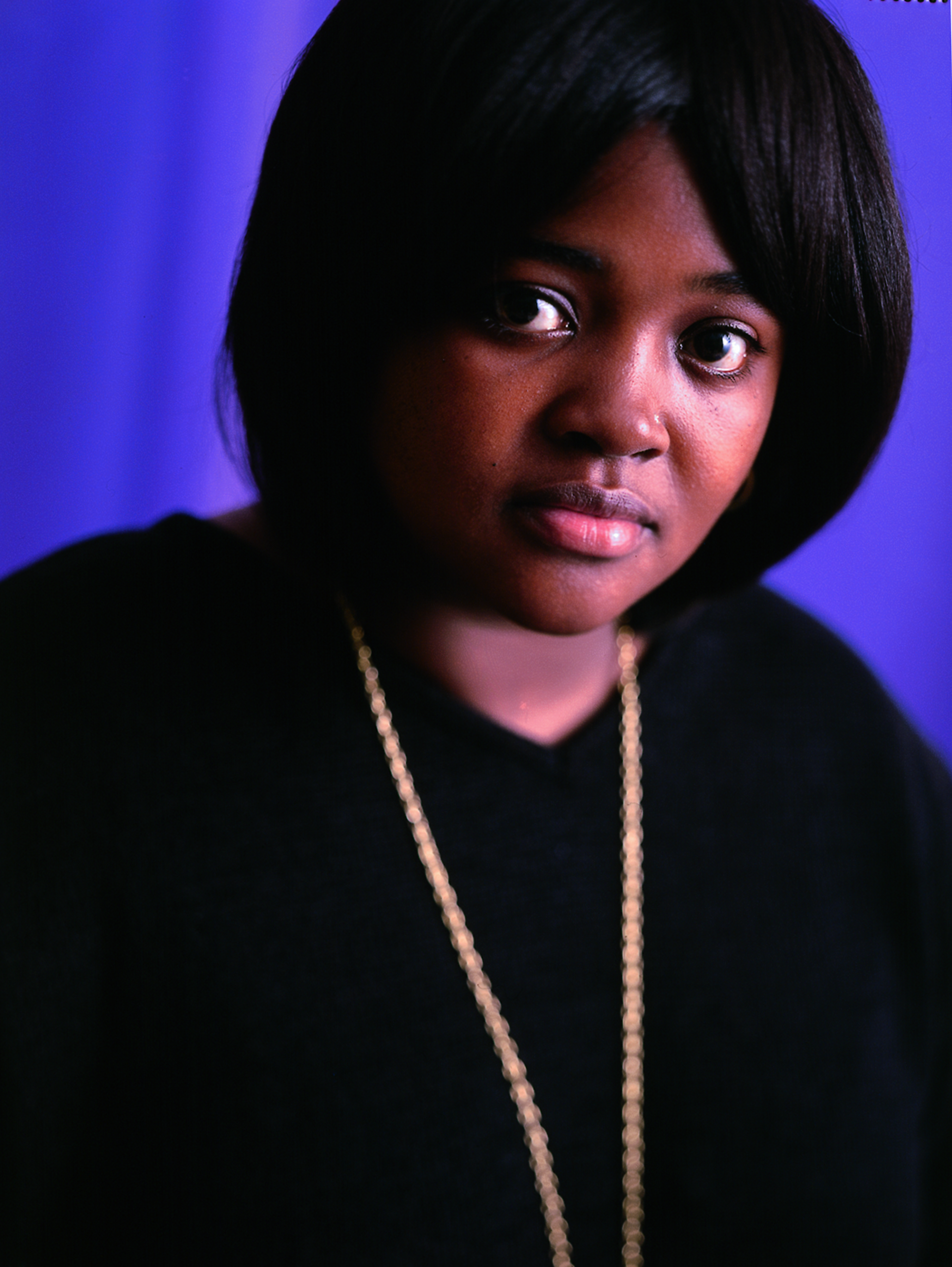
As the principal of Dunaire Elementary School in Atlanta, Sean Deas has witnessed the challenges faced by children living in extended-stay hotels.
Nearly 10% of his students live in such accommodations, where they experience overcrowded conditions, food insecurity, and exposure to violence. These children often exhibit aggression or anxiety, along with sleep issues.
“Social trauma is the biggest challenge,” Deas explains. To address these issues, Deas implemented a schoolwide support program with counselors, a food pantry, and protocols to assist children who may fall asleep during class. “Beyond the teaching, we have to support the families as well,” he says.
Extended-stay hotels have become a last resort for many low-income families as housing becomes less accessible. In 2022, more than 100,000 students across the U.S. lived in these hotels, a number that’s likely an undercount, according to the Department of Education. In some Atlanta-area counties, up to 40% of homeless students reside in extended-stay hotels.
The impact of hotel living on children is severe, with advocates reporting increased physical and mental health issues. Violence, poor living conditions, and the lack of safe outdoor spaces exacerbate stress for these families. DeKalb County, home to Dunaire Elementary, has seen several extended-stay properties fall short of safety standards, with issues like insect infestations and mold.
On the surface, staying in a motel or hotel may appear to provide security for someone experiencing homelessness. They have a roof over their heads and access to basic amenities. However, this is often an illusion of stability. Motels and hotels, mainly those catering to lower-income individuals, are not designed for long-term living. The cost of staying in these accommodations can quickly drain financial resources, making it nearly impossible to save for more permanent housing.
Advocates and community leaders stress the need for more affordable housing and better renter protections to alleviate this growing crisis. While extended-stay hotels provide immediate shelter, they are far from ideal environments for raising children.
Mother And Daughter Share Breast Cancer Diagnosis In ‘The Death Of A Jaybird’
Originally published Oct. 31, 2023
Updated Oct. 9, 2024
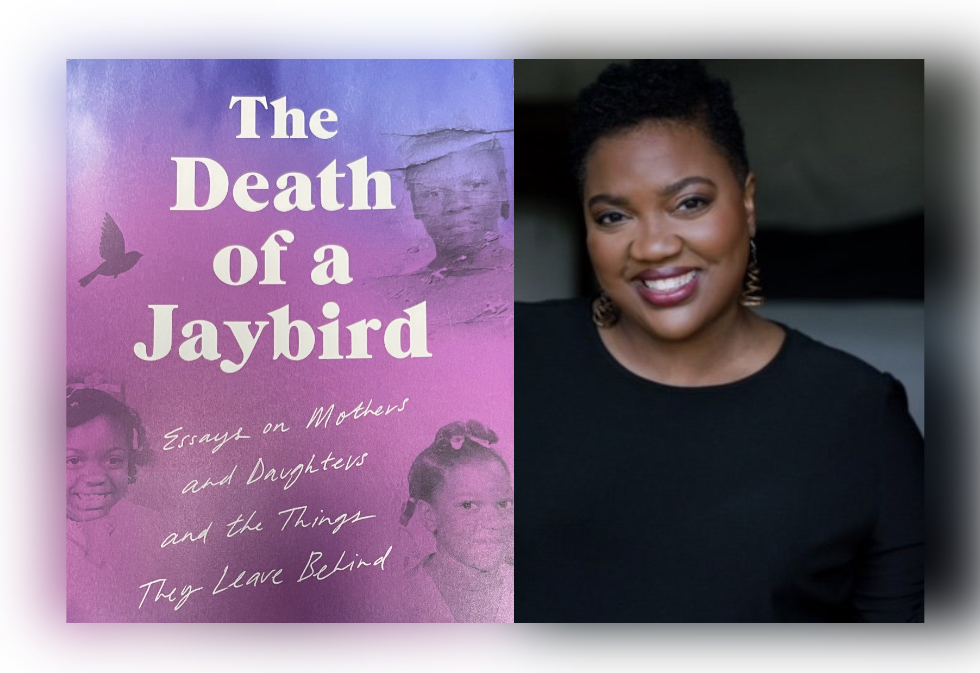
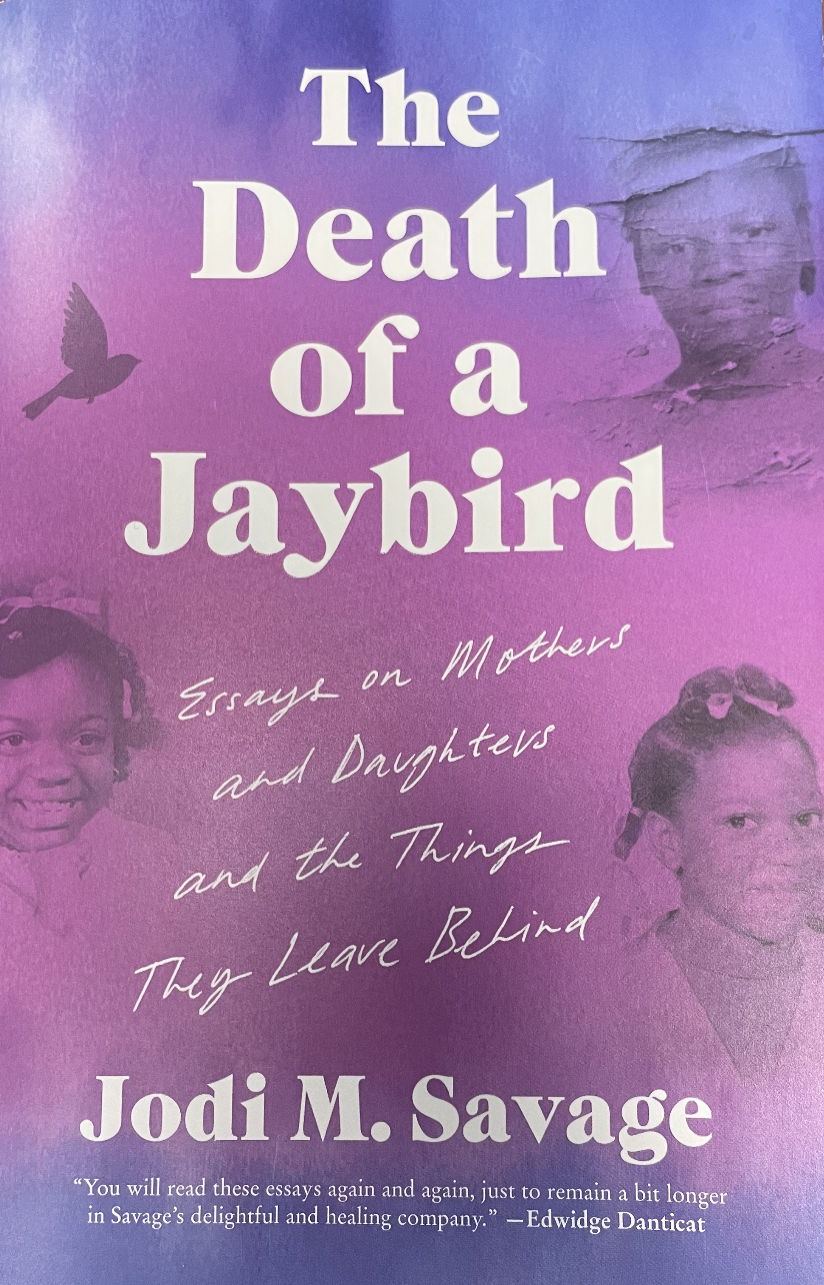
Jodi M. Savage is an author who happens to be a breast cancer survivor. Her memoir, The Death of a Jaybird: Essays on Mothers and Daughters and the Things They Leave Behind, debuts Nov. 14 with accolades and praise from Edwidge Danticat, who assures readers that they “will read these essays again and again just to remain a bit longer in Savage’s delightful and healing company.”
While healing denotes that Savage is working through her situations—in this case, breast cancer—following the author’s words throughout her diagnosis and treatment is arresting. Not only does Savage discover a malignant mass embedded in her breast tissue, but she is simultaneously experiencing the breast cancer walk of her mother, Cheryl, who is quite the character. Savage chronicles both her and Cheryl’s breast cancer journey in chapter 7 of her forthcoming book in a smart, humorous, and Black-ass way that will either have readers shed a kazillion teardrops—or have them doubled over with gut-busting laughter. BLACK ENTERPRISE obtained an exclusive excerpt that won’t disappoint.
PHOTO CREDIT: Courtesy of Jodi M. Savage
Tuesday,November24,2020
Two days before Thanksgiving, my friends Jennifer and Joella droveme to a Manhattan outpatient cancer center to have my breast surgery. My surgeon was going to perform a lumpectomy—she was going to remove the tumor in my left breast and several lymph nodes under my arm. Cheryl called me that morning while we were in the car on our way to the city. I put her on speakerphone.
“Heychile,I’monmywaytosurgery,” I told her.
“Ihaveanappointmentwith my oncologist today.Whatkindof cancerdo youhave?SoIcantellmydoctor,” Cheryl said.
We’dpreviously discussed needing to compare our breast cancers so that I’d have more information about breast cancer in our family for my genetic counseling.
“Ihaveinvasiveductalcarcinoma that’s estrogen andprogesterone positive,” I replied.
“Youhavewhat?”sheasked.
“Invasive ductal carcinoma. That means the cancer started in my milk duct,” I explained.
“Themilkduct?”sheasked.
“What doesn’t she understand? The milk or the duct?” Jennifer askedasJoellaand I laughed.
“You don’t know what a milk duct is? Didn’t you give birth to two whole kids?” I asked Cheryl. She laughed.
Shelatertoldmethatshehad infiltrating ductal carcinomathat was estrogen receptor-positive. I learned that “invasive” and “infiltrating” are used interchangeably and that we had the same type of breastcancer.I’dspentmy life trying tobemymother’soppositein every way—not wanting to repeat her mistakes or live her life of addiction. I’d prided myself on being responsible and “doing life right.” Although genetic testing revealed that I had not inherited the BRCA1orBRCA2genemutationthatmakes women more likelytodevelop breast cancer, I was still my mother’s child down to the malignant, molecularlevel.
“Lemmesendyousomepicturesofme,” shesaid.
In the pictures, she looked like she was headed to the club or a nightoutwith the girls insteadofanoncologyappointment. Her short,salt-and-pepperhairwas slicked back,andhermidnightblue glasses were perched onherhead.Sheworeblue skinny jeans anda black crop top that stopped just beneath her breast. The accent pieceof her outfit was the orange blouse she wore over her crop top—a sheer, puffy number made of tulle. It had a deep cut in the front, revealing her black top underneath, and a thick sash around her waist that flared out into ruffles. Her eyelashes, eyeshadow, and lipstick were perfectly applied, she wore stud earrings, and two necklaces. She did not dress like your average sixty-year-old.
“Go head, sexy momma!” I told her. “Who you lookin’ sexy for?” “I gotta look sexy for my oncologist,” she replied.
Her outfits were starkly different from my cancer treatment uniform. The plaid button-down shirts I wore for my medical appointments wereeasytogetoutof when doctors neededtoexaminemybreastsorI neededtoundergoimagingtests.A few months later,whileI was undergoing radiation treatments, my friend Janine saw me in my daily uniform of plaid shirt, leggings, and pink loafers.
“You gotta start dressingbetterorthey’regonna think you’re homelessandgiveyou bad medical treatment,”shesaid.
Ididn’t look completely homeless. Iappliedlotionso I wouldn’t beashy,aluminum-free deodorant so I wouldn’tbefunky,andcombed my hair.Iwascutefromtheneckup.
Friday,February12,2021
“Call Justin,” Cheryl told me.
She was in hospice and wanted me to callmyfather on three-way.
“Okay.Hold on.”
“Hey,JustinSavage,”Isaidwhen he answered thephone.
“Hey, Jodi Savage! How yadoin’?”
This is how we greet one another—by our first and last names. For starters, “Savage” is a cool name.Thisisalsoourwayof bypassingtheawkwardnessofmenot calling him Dad or Daddy or figuring out what else to call him.
“I’mdoin’alright.Cherylisinhospice and wants totalktoya. She’sontheotherline.Holdon.”
“Okaaaaay,” he said in a what-the-hell-is-going-on way. “Cheryl, you there?”
“Yup.”
“Justin, you on?” “Uh huh.”
“Hey, Cheryl, how yadoin’?” my father asked.
Once all three of us were connected, we engaged in the awkward, halting small talk ofgroupsofpeoplewhodo not normally speaktooneanother.This conversation was our attempt at normalcy—as if my parents had raised me together as a happily married couple. As if my mother was notinhospice.Still,I laughed and smiledawidegoofysmileasIsat on my bed talking to them.
“What happened to you?” Cheryl asked my father.
“I called and youain’tnevapickupthephone.”
“Oh, I gotta tell you bout that. We’ll talk about that later,” he responded, clearly not wanting me to know what was going on.
My mother had told me she was going to start hanging out with my father. Perhaps they’d planned to meet, and he’d stood her up.
“You get disability? I need some money,” my mother told him.
“No.I’m a stripper.Imaketoomuchmoneyto get disability.”
He said it so smoothly that I almost believed him.
“Nigga, I’m yo wife,” she told him.
“I know, but ya left me Cheryl,” he responded.
Although still legally married, they hadn’t been together since I was a baby.
“God told me to tell you to put them Heinekens down,” Cheryl said.
Wedid not need divineinterventiontoknowmy father shouldcutdownonhis alcohol consumption.IguessCherylthoughthe might actually do it if he thought God had delivered a special messagejustforhim.
“Istoppeddrinkingalongtimeago,” he responded.
Ihadmy doubtsbutkeptquiet. WhowasItobustupourhappy family time?
“Youdid?” Cherylasked. “Yeah.”
“Justin, you want some pocketbook?” she asked him.
This is where the conversation went left. “Pocketbook” was a euphemism for vagina,whichshe’dused to make moneyduringherdaysasaprostitute. She took great pride in her pocketbook. She once told me, “I ain’t finna use up my pocketbook. My Gucci, my Chanel, my Louis Vuitton.Igotname-brandpocketbook.”
I was afraid of how my father would respond to my mother’s pocketbook offering.
“But you gotta pay for it, tho. I don’t give out nothing for free,” shetold my father.
“Jodi, I ain’t mean for you to hear all that,” he added.
“I ain’t mean to hear all that either,” I responded. I was embarrassed enough for the three of us.
“We gotta get married again,” my mother told him. “Cheryl, we still married.”
“Oh.”
Beforewegotoffthephone,Justin made plans tovisitherin hospice.
“Callbeforeyoucometho.She’s going home soon,”Itoldhim.
Cheryl had worn out her welcome at the hospice and wouldn’t let the other patients rest—and die—in peace. The nurses heavily sedatedher,causingherto sleep throughmeals.Whenshewoke up,she’dbehungryandtherewas usually nofoodaround.Thestaff would bring her a plate, but the food would be cold. Then she’d have a temper tantrum by throwing things, cussing, and yelling. Sometimes she took her tantrum on the road and showed out in the hallway. The hospicewould call mybrother.Hewouldthencallmy mother toask why she was giving everyone such a hard time.
SheandIjokedabouttherenever being any foodaroundora microwavein her hospice unit.
“Folks come to hospice to die. Dead folks don’t make noise,” I said. “Exactly. Dead folks don’t eat either,” she replied.
“Anddeadfolksdon’taskforhotfood.”
That evening, while my mother was in hospice and I was in my third week of radiation therapy, was the first time in my forty-two years that I’d ever spoken to both of my parents at the same time. We were making new, happy memories. Their conversation was Blackity Black, hilarious, carefree, vulgar, straight ignant, incoherent at times, loving—the banter of two old friends who shared a child and a history without judgment. Cheryl had had enough bad customer serviceat the hospice and was going home. Surely, she wasn’t at death’s door. Buteveninthatmoment, I knew thatconversationwithmyparents was special, something I would look back on and savor …
Breast cancer impacts Black women at overwhelming rates. The Breast Cancer Prevention Partners list a “31% breast cancer mortality rate” for African American women. When juxtaposed with white women diagnosed with breast cancer, the mortality rate is almost double for Black women at 42% higher.
Jodi M. Savage is the author of The Death of a Jaybird: Essays on Mothers and Daughters and the Things They Leave Behind (forthcoming from Harper Perennial on November 14, 2023). She is a writer and attorney in New York City. Her essays have appeared in The Huffington Post, Catapult, Kweli Journal, the VIDA Review, Women’s Studies Quarterly, and other places. Jodi’s essays have been nominated for a Pushcart Prize twice, Best of the Net 2020, and listed as a notable essay in The Best American Essays 2019. Jodi also co-hosted “The Work Rundown,” a podcast about the experiences of Black women in the workplace.
Sister Soulja Brings Back Winter Santiaga In A New Novel ‘Love After Midnight’
Sister Soulja published “The Coldest Winter Ever” 25 years ago
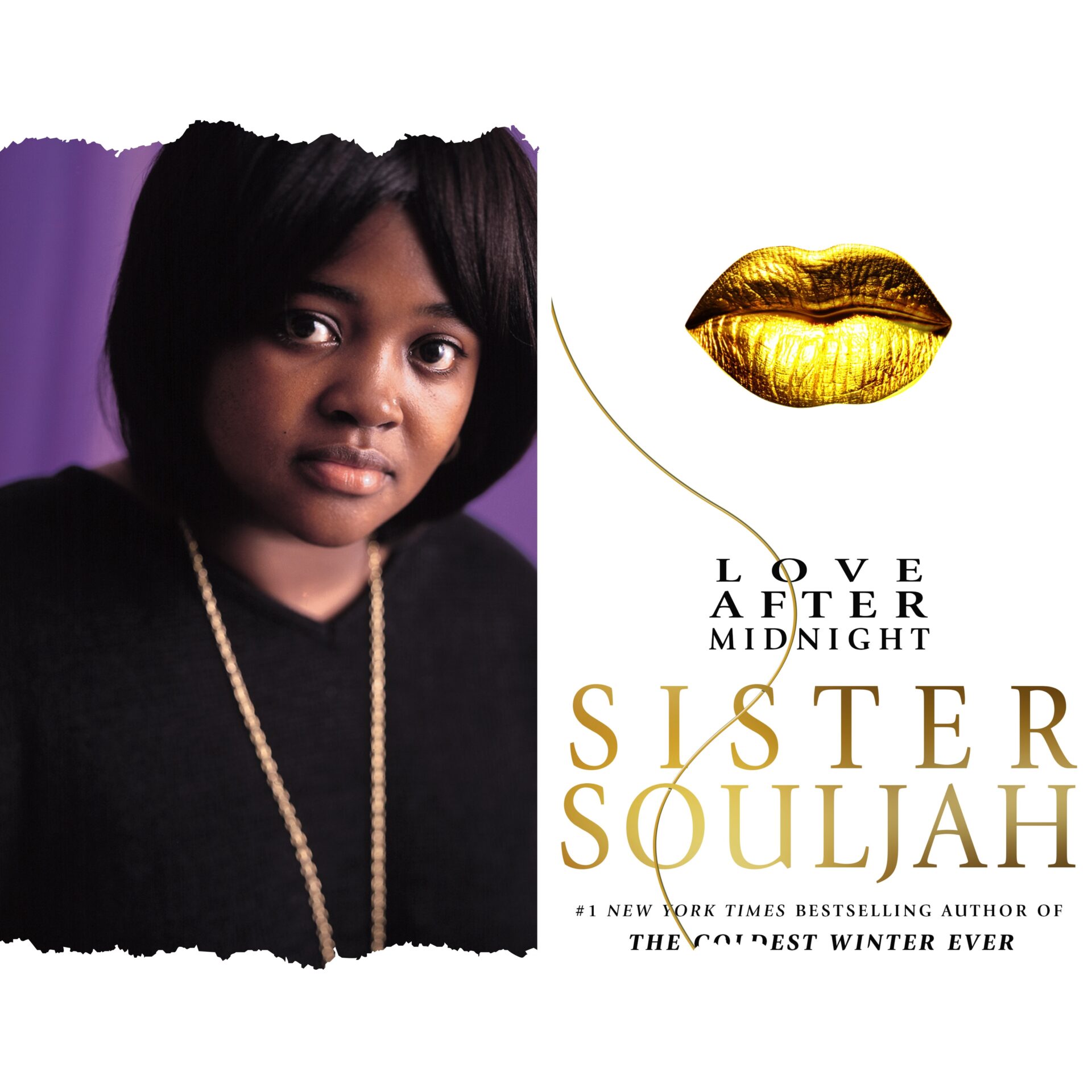
It’s been a minute since Sister Soulja published her critically-acclaimed novel, The Coldest Winter Ever — 25 years, to be exact. Soulja took readers on a wild journey into Brooklyn street life and drug culture while leaving a remarkable and unforgettable impression of protagonist Winter Santiaga. It wasn’t the first time the social justice advocate made a literary mark. She published No Disrespect in 1995, however, she would go on to create a literary universe and legacy stemming from Santiaga’s saga and the characters in her world. To date, Soulja has written six sequels to The Coldest Winter Ever: Midnight: A Gangster Love Story; Midnight and the Meaning of Love; Deeper Love Inside: The Porsche Santiaga Story; A Moment of Silences Midnight III; and Life After Death.
In her latest novel, Love After Midnight, Sister Soulja revisits Winter Santiaga to share another chapter of our favorite street heroine’s life. Sister Soulja shared an exclusive excerpt with BLACK ENTERPRISE to remind readers of what they already knew: Winter Santiaga is undefeated. Get into it.
Tonight, I need something stronger than weed. It hit me all at once. After being the coolest, nah, the coldest bitch on the planet, it was like, I was getting hit by an intense heatwave. Then anger overtook me. Fifteen fucking years on lock and finally free. But right now in this moment, I’m more hateful than grateful. Fuck the bullshit. Hate has its place. Suddenly famous, I’m out of my element. I’ve been all Brooklyn, da peeps and da streets or the cells. Upon my prison release in January this year, I caught a reality show starring me. The bag was big. Course I was amped about it. But somehow today . . . Fame gotta bitch feeling like comfortable is the most uncomfortable feeling. Blank mind. Blank soul. It’s false, empty, and vacant. I realize I’m addicted to struggle and hustle, moving and maneuvering, fight and fury, action and reaction, pressure and tension.
That’s how I got here in this dark club they calling a lounge. See, even the scene and the lingo switched up on me. No matter what they call it though, it’s where I need to be right now. It’s hot. The walls are sweating. Everybody is body to body. No air, the scent of perfumes and colognes and funk and strong liquor and scented smoke intermingling. Inhale weed, exhale frustration. Music, louder than thunder. This is how I need to party, with hood bitches who can’t pay their rent, but got $150 mani-pedis, $500 weaves, and $700 shoes. Fuck cameras and papparazzi and the rich crowd of fame, and children of fame. Whether they young or grown, they all be insecure, suicidal, fake, and psychotic. They perform and talk too much about nothing. Think they know everything but never did nothing real. Don’t know the real deal about shit and whine like newborns bout this and that. My party needs to be packed with niggas and bitches who ain’t got a damn thing to actually celebrate, but who keep on pushing, rock the spot, make it pulsate, rhyme, sing, scream, or just mouth the lyrics, eat the beats, and make moves that look like seizures, or others who just lean back or glide and ride the rhythm real smooth. I party with the ones who got no real reason to be confident, but still be the boldest, baddest, and the coldest. I love that. I crave that. But, in the 21st century I find myself chasing a feeling I used to feel. So much so, I am wondering if the feeling I felt before is no more in existence. Somehow, wafted away in the wind. But I’m still here. Ain’t found one man who can make my pussy pump, soul jump, or hips hump. I want to feel something. Make my eyes widen. Make me cry. Make me laugh so hard my stomach aches. Make my nipples plump, my thighs shake, my toes curl. Bite me. Fight me. I’ll bite you back. Excite me. Make me cum six or seven times in one night. That’s the only way for me to feel right and alive. ’Cause I am alive and love that fact. But neer nigga got that look, style, clout, or that energy. I know what it looks like. When I see it, I’ll snatch it, trap it, and make it mine. But I ain’t seen it day or night, night or day in the short amount of weeks that I have been free, awake, and active.
My bodyguard is with me. My investors insisted. They guard me like gold. My new accountant told me to look at each of my body parts as units of wealth. My time and each and every second as representing a certain dollar amount that I choose as my price quote. Make all pay to play. That’s the only way to prevent people, agents, businesses, and companies from wasting or interrupting my time, which equals my potential earnings. When I think of my name, Winter Santiaga, as a brand, and my body parts each separately as a unit of wealth, that gives me the power to sift out the diamonds and throw away the ordinary rocks, he says.
I’m on my private time now, although I’m mixed in with the public at this club. I mean lounge. Dancing and drenched. My mood and my mind are swirling inside of the music. Don’t even see what nigga pushed up on me. I make my bodyguard stand at least six feet or six bodies away from wherever I am. I tell him, “play dead.” I don’t want him to be a cooler to my hot or my heat or my hunt. He’s in my employ. He has to do what I say. I’m his boss. That kills my desire to mix it up with him, even though he’s all muscle. I don’t want my new love or my husband to be under my command. Then when he’s coming for me, I won’t be able to tell if it’s because of money, lust, admiration, or love. I need it to at least before lust for sure. A man’s lust makes my lust multiply. It’s okay if he admires me, long as he ain’t acting like a fucking freakyfan groupie or stalker. I mean I love my fans, but I need the man I choose to not be a fan or a stalker. I need my man to have his own mind, schedule, and schemes, his own money and things, his own style and swag, Word up! I need my man to have 21st-century legit business, sprinkled with a half kilo of 20th-century murder energy. I laugh to myself. But, I’m serious. Just then, in a flash, or should I say a glance, I spotted an unusually pretty bitch seated at the bar. I’m not about that girl-on-girl action, but I’m definitely about that beauty. I’m it. But I see myself every day. So, therefore, I’m drawn to other unique, beautiful people and things. So I walked over.
is a graduate of Rutgers University. During her college years, she was known for her powerful voice, sharp political analysis, cultural allegiance, community organizing, and humanity. Post-graduation, Souljah earned the love and support of her African American community by creating a national youth and student movement. She is credited with serving homeless families and creating academic, cultural, and recreational after-school programs, weekend academies, and sleepaway summer camps. Partnering with major mainstream celebrities, she provided her efforts free to all young people and families in need. A multidimensional woman, Souljah was the only female artist to become a member of the most explosive hip-hop group of all time, Public Enemy. She is also a wife and a mother. A storyteller who makes the entire world her home, she lives wherever she is “pushing her pen.”
Meet Elizer Darris, The Black Man Who Ensures Formerly Incarcerated People Know Their Right To Vote
Eight years ago, Elizer Darris was staring at life through prison bars.
Written By Elizer Darris
Just eight years ago, I was staring at life through prison bars, my dreams of freedom and civic participation seemingly out of reach. As a 15-year-old, I had been arrested for and eventually convicted of a capital-level offense—then sentenced to spend the rest of my natural life behind bars. Yet, through the guidance and wisdom of the elders I surrounded myself with, I learned that, no matter where I was, I could still make a difference.
Those mentors instilled in me the belief that I am the master of my fate and the captain of my soul. They challenged me to immerse myself in the law library, to fight for my own appeal, and to organize my fellow inmates to advocate for change. Even from within the confines of the prison walls, I was able to influence policy, protest injustices, and secure victories for my community.
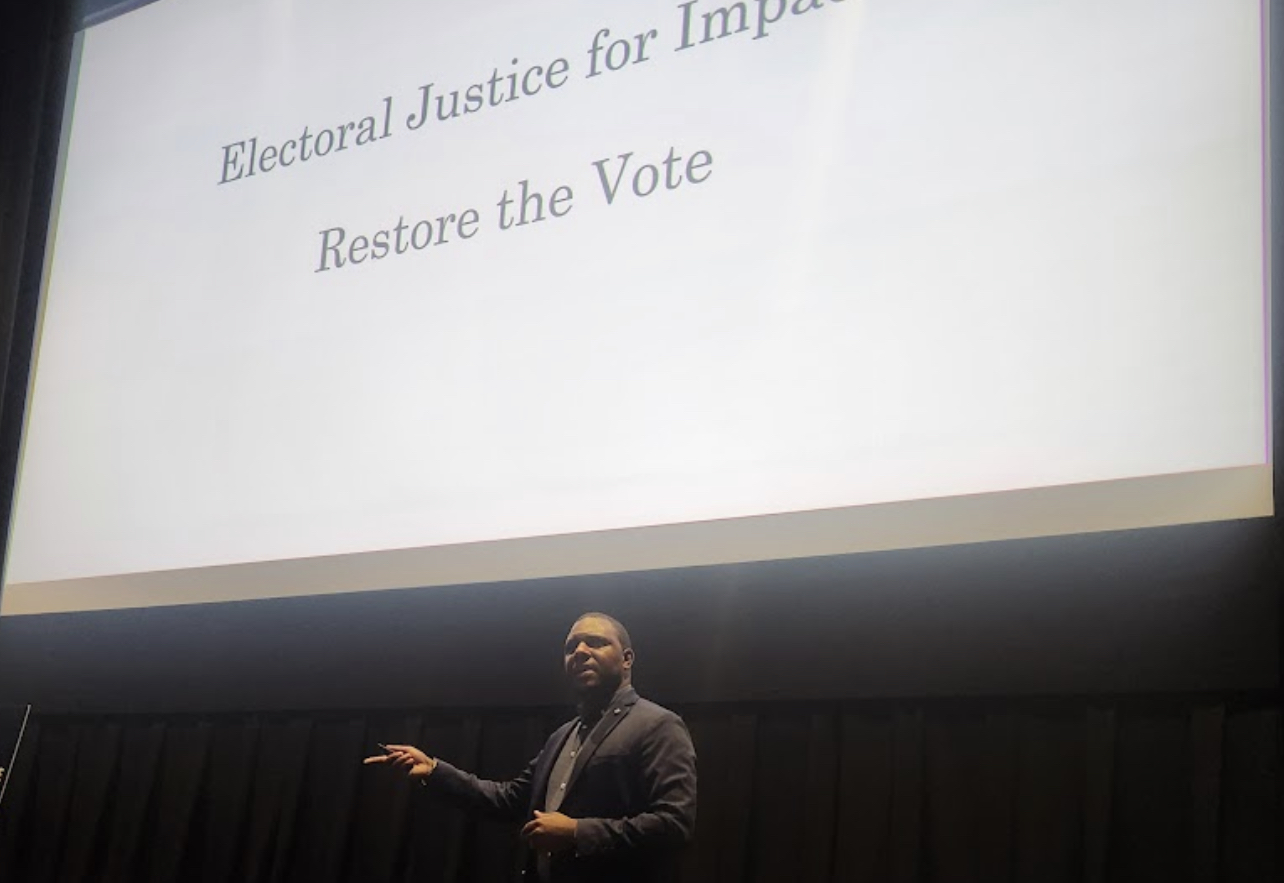
I am proud to have helped lead the fight for voter restoration in my home state of Minnesota. Last year, more than 55,000 people were brought back into the process of democracy when Gov. Tim Walz signed Restore the Vote (RTV) into law.
But our work doesn’t end with the passage of one law. The fight for voting rights is an ongoing struggle—one that demands our vigilance, courage, and unwavering commitment to justice. We can’t afford to rest while our communities still face barriers to civic participation, and we certainly can’t yield to the powers that seek to silence us.
This is not just about the right to cast a ballot—it’s about reclaiming our voice, our power, and our future. The struggle for justice doesn’t end when the ink dries on a piece of legislation; it’s an ongoing battle for dignity and equality in every corner of this nation.
I write this today not as someone who was simply freed from physical chains but as someone who reclaimed my voice, my purpose, and my place in the fight for a more just democracy. Now, more than ever, it’s time to rise up, speak out, and ensure that no one, regardless of their past, is left out of the promise of democracy. Let’s honor those who couldn’t be here with us today by fighting even harder for those who still can.
Start by making a personal commitment to voting. Here in Minnesota, early voting began on Sept. 20th, with Election Day on Nov. 5th. If you plan to vote absentee, be sure to check the deadlines for your state, as they can vary widely. And don’t just vote yourself—encourage your friends, family, and community to do the same.
Engage in voter education efforts to combat the tide of misinformation and disinformation that seeks to sow confusion and erode trust in our electoral system. Participate in local and national initiatives like ‘Pack the Vote,’ sponsored by the Minnesota Timberwolves and Lynx basketball teams, to amplify the message and reach more people. The more we can educate and empower our communities, the stronger our democracy will be.
Build coalitions and forge critical partnerships. As I learned during my time in prison, it is through collective action and shared purpose that we can achieve the greatest victories. Reach out to local organizations, faith leaders, and elected officials to find ways to collaborate and support one another’s efforts.
Most importantly, stay informed and speak out. Follow the latest developments on voting rights issues, and don’t be afraid to raise your voice in defense of our democratic values. Whether it’s attending town halls, writing op-eds, or engaging on social media, your willingness to stand up and be heard can inspire others to do the same.
The road ahead may be long and arduous, but I know that together, we can reclaim our voice and our power. I am living proof that no matter where you come from or what you’ve been through, you can make a difference in this world. So, let us rise up, stand united, and fight for the future we deserve –- one where every citizen has an equal say in shaping the society we live in.
Elizer Darris is a political strategist, former executive director, founder & CEO of Darris Group. Having helped pass Minnesota’s Restore the Vote legislation, Darris will be voting for the first time in the 2024 Presidential Election and representing all Minnesotans as a Presidential Elector.
Dr. Maxine Owusu On The Sobering Reality Of Black Women Affected By Sexually Transmitted Infections
According to a report from the University of Illinois Chicago, while Black women have fewer sex partners and are less likely to engage in unprotected sex, their chlamydia rates were five times those of white women, and gonorrhea rates were over eight times higher, according to CDC data for 2018.
According to a report from the University of Illinois Chicago, while Black women have fewer sex partners and are less likely to engage in unprotected sex, their chlamydia rates were five times those of white women, and gonorrhea rates were over eight times higher, according to CDC data for 2018.
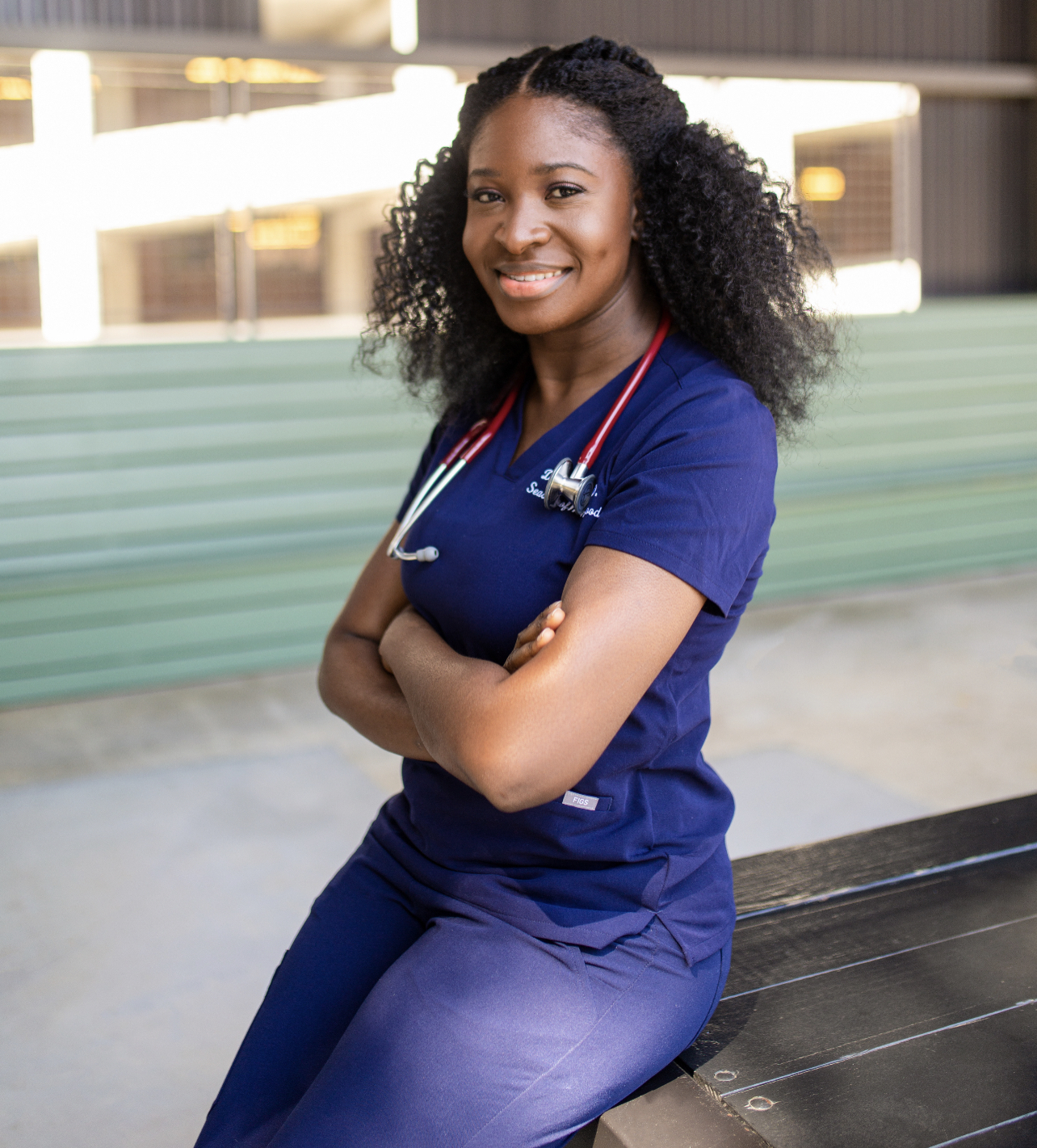
“Being in the emergency room, I noticed that a lot of people I was caring for were Black women, and I would, unfortunately, see a lot of sexually transmitted diseases,” Dr. Maxine Owusu, who works in emergency hospitals across Atlanta, tells Black Enterprise. “I realized after having conversations with them is that the underlying issue, especially among young Black women, is miseducation and also not having that access to a gynecologist.”
Dr. Owusu believes Black women are disproportionately affected by STDs because there’s a significant gap when it comes to health education and access. She also says there’s institutionalized racism in medicine and healthcare, and Black people don’t feel safe being seen by the medical system.
“They feel, perhaps, that they’re not going to be listened to or they’re not going to be advocated for so many times, they will try and deal with the issue on their own,” she says. “[Also,] maybe they can’t find enough Black physicians. If a patient has an encounter with somebody who may not be Black, and it was a bad encounter, they may not go seek anyone else or a different opinion.”
Even though Owusu is a physician herself, she had negative encounters with healthcare professionals after delivering her children. She recalls having postpartum issues and trying to bring them to the attention of her care team and, in some instances, dealing with a delay in care. Luckily, her sister is a midwife, and she can text her. However, she understands not everyone can readily access care like in her situation, but she wants Black women to make sure they’re choosing a culturally competent care team.
“Even if you have a Black physician or provider that you’re comfortable with, let’s say the nurse or the tech isn’t culturally competent. For example, if you’re having pain and you complain about it, if they don’t take you seriously, then they won’t escalate the issue to the provider, which can cause a delay in care,” she says.
Working To Close The Gap With Health Disparities and Black Physicians
Dr. Owusu’s experience in the emergency room is why she is working to close the health disparity gap for Black women. During each encounter with patients, she also provides resources on free clinics and stresses the importance of screenings.
She works with her church, Manifest Church in Atlanta, to provide health screenings and health fairs.
“I think it’s very important to make our community more comfortable,” says Dr. Owusu. “We make them feel understood and that they’re not being judged, right, for their experiences. It’s important to do this because there are so many complications from sexually transmitted diseases. When it’s untreated, it can lead to infertility. Many women don’t know that.”
She adds, “If we don’t take care of it now and we don’t understand preventative practices, it will lead to more complications down the line and affect our lives and quality of life.
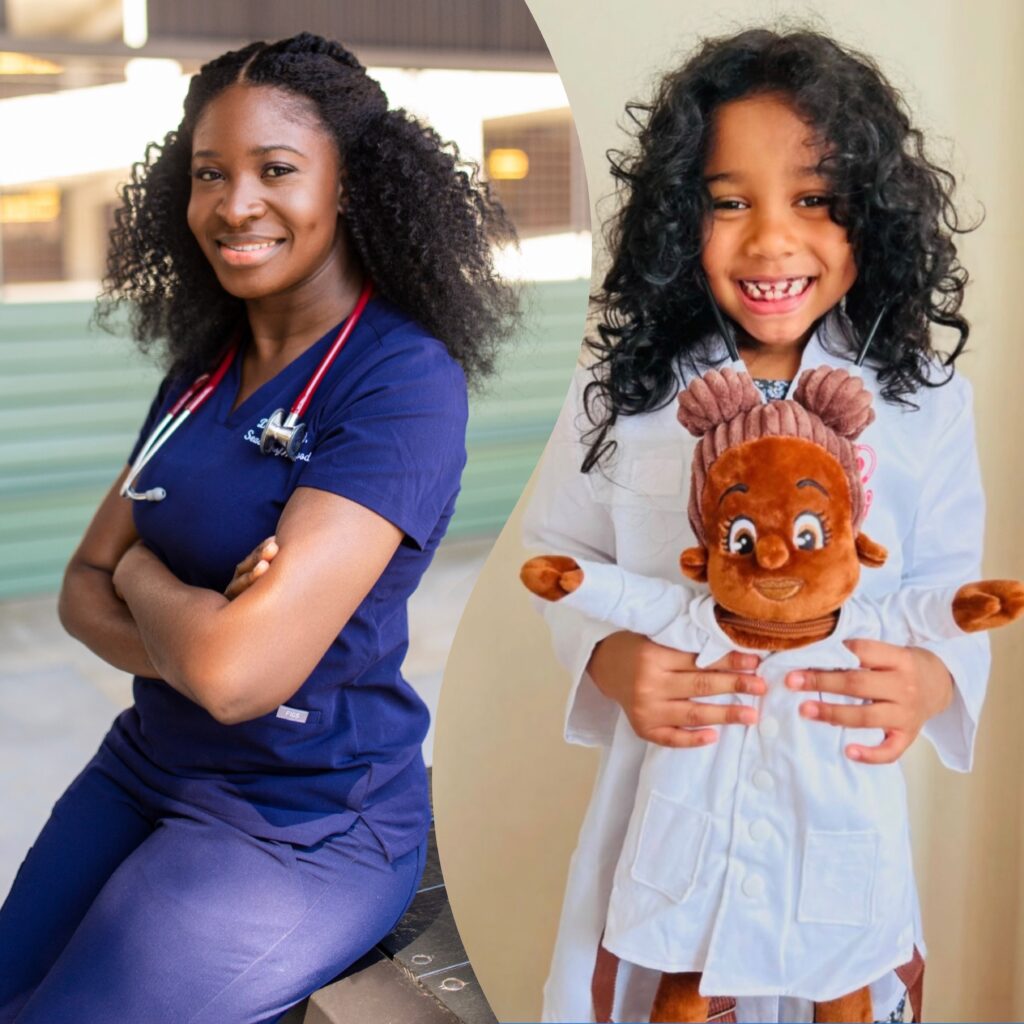
“By starting to have these conversations at a younger age and introducing medical topics within science and making it fun, I think more kids will grow up to be more aware,” says Dr. Owusu. “They won’t be afraid of going to the doctor, and it will make it a fun experience so they know it’s important to see a primary care doctor by the time they’re older.”
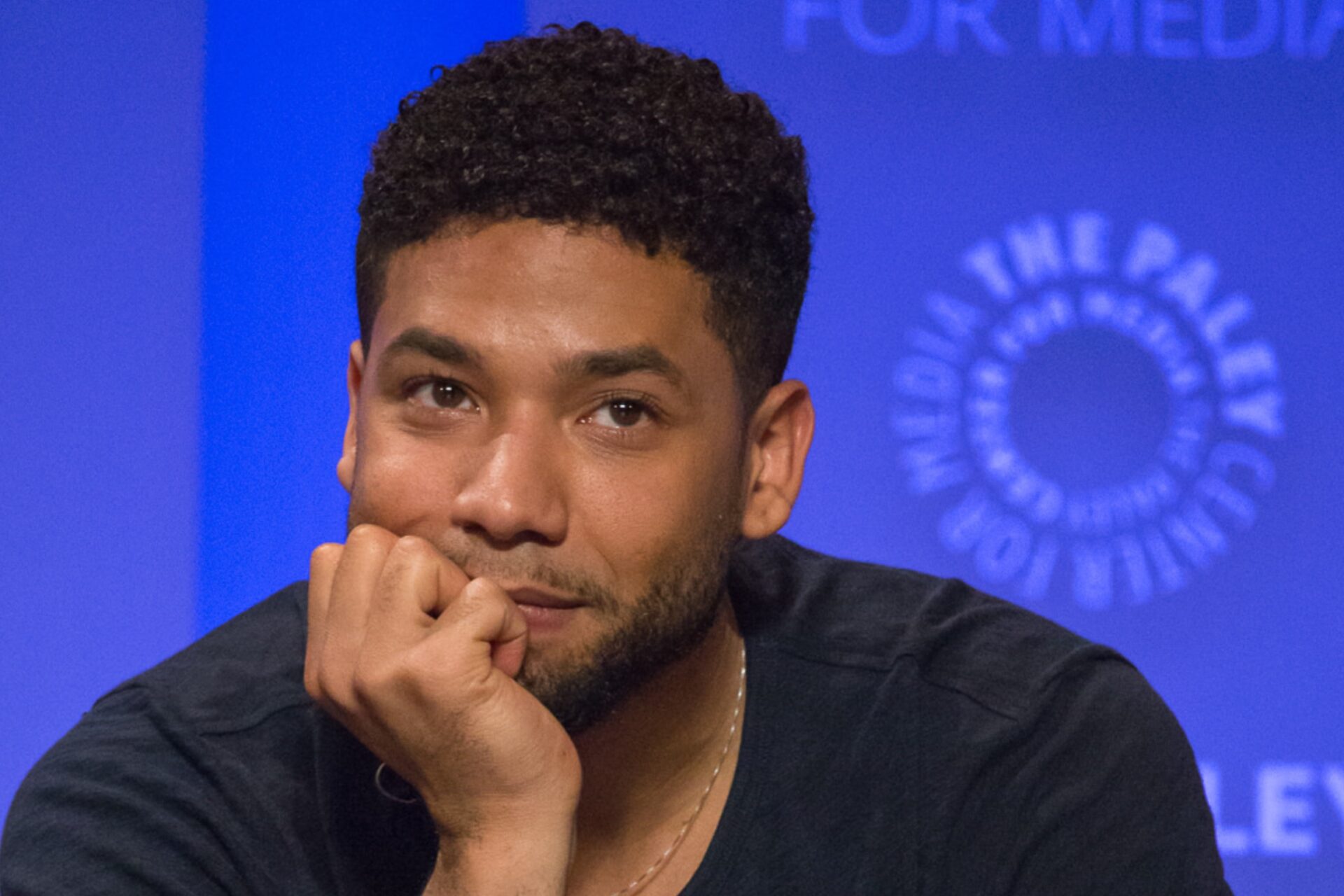
Jussie Smollett Claims He Spent $3M On Appeal For Hate Crime Hoax
It's been five years and Jussie Smollett is still maintaining his innocence in his hate crime hoax case.
Despite his felony conviction and sentencing for a hate crime hoax, Jussie Smollett is standing by his story and maintaining his innocence.
The actor is back in the spotlight with the release of his new film, The Lost Holliday, featuring Vivica A. Fox. He recently sat down with Entertainment Tonight to explain why he reportedly spent $3 million appealing the case he still claims he’s telling the truth about.
“I want to have all of these things in my life, and I don’t want to have a felony on my record for something that I didn’t do,” Smollett said.
“That’s what we’re fighting for. I know that on the surface, it probably seems like why doesn’t he just serve the time? Why doesn’t he just let this go? It would be easier if I had, in fact, done this to say that I did it. I wouldn’t have spent almost $3 million of my own money. I would not have had a trial.”
In December 2021, Smollett was found guilty of five felony counts. On March 10, 2022, he was sentenced to 150 days in county jail and required to pay $120,106 in restitution for the overtime costs incurred by Chicago Police during the investigation of his false reports of being a victim of a hate crime.
However, Smollett has never admitted to lying and has always maintained that he was targeted in a violent racist, homophobic attack in Chicago in January 2019. The Empire star walked into a police station to report that he was attacked by two men around 2 a.m. He claimed the assailants used racist and homophobic slurs, wrapped a rope around his neck, poured an “unknown substance” on him, and shouted that it was “MAGA country.” It was later revealed that Smollett had hired two Nigerian brothers to help him orchestrate the attack.
Despite his conviction and six days in jail, Smollett firmly maintains his innocence. According to the actor, his ongoing assertion is why he continues fighting.
“As an entertainer, as a businessman, I probably should [stop fighting the charges],” Smollett said during the interview. “But as a human being and as a man, as a Black man and as an openly gay Black man, I have a problem with letting them win on something they shouldn’t be able to.”
The actor continued. “I’m a grown man, and something happened. I can’t tell exactly what did happen, but I can tell you what did not happen. That’s what I have to sit on. No matter how much people are yelling in my face, saying, ‘You’re a liar, you’re a liar.’ No, I’m not. No, I’m not. I don’t want them to believe that, but if that is what they believe, that’s on you.”
Many people remain skeptical, given the details presented by prosecutors and the testimony of the Nigerian brothers, who stated that the actor hired them to carry out the failed scheme. However, according to Smollett, while “fighting the very things that are untrue,” he got entangled by truths that were used “to prove things that were not true.”
“So there were those moments where I was like, ‘Oh my goodness, my life is kind of — oh, well, I didn’t do that.’ And they’re like, ‘But you did this.’ And I’m like, ‘Ah, I did do that. I did buy that.’ And there are things like that that I’ve had to talk to my family about, that I’ve had to talk to friends about,” he explained.
“I’m OK with accepting responsibility for things that I’ve actually done. I’m just not OK with accepting responsibility for things that I did not do.”
The brothers testified that Smollett orchestrated the hate crime hoax near a surveillance camera to ensure that video footage could be publicized. However, Smollett maintains his innocence, asserting that his story has remained consistent, unlike other accounts related to the incident.
“I’ve stood by, not my truth but the truth for the entire time, almost six years,” he said. “I haven’t switched my story up. I haven’t changed anything that I ever said. I stand by every single thing that I’ve ever said. Everyone else in the situation, every single person, has changed their story numerous times.”
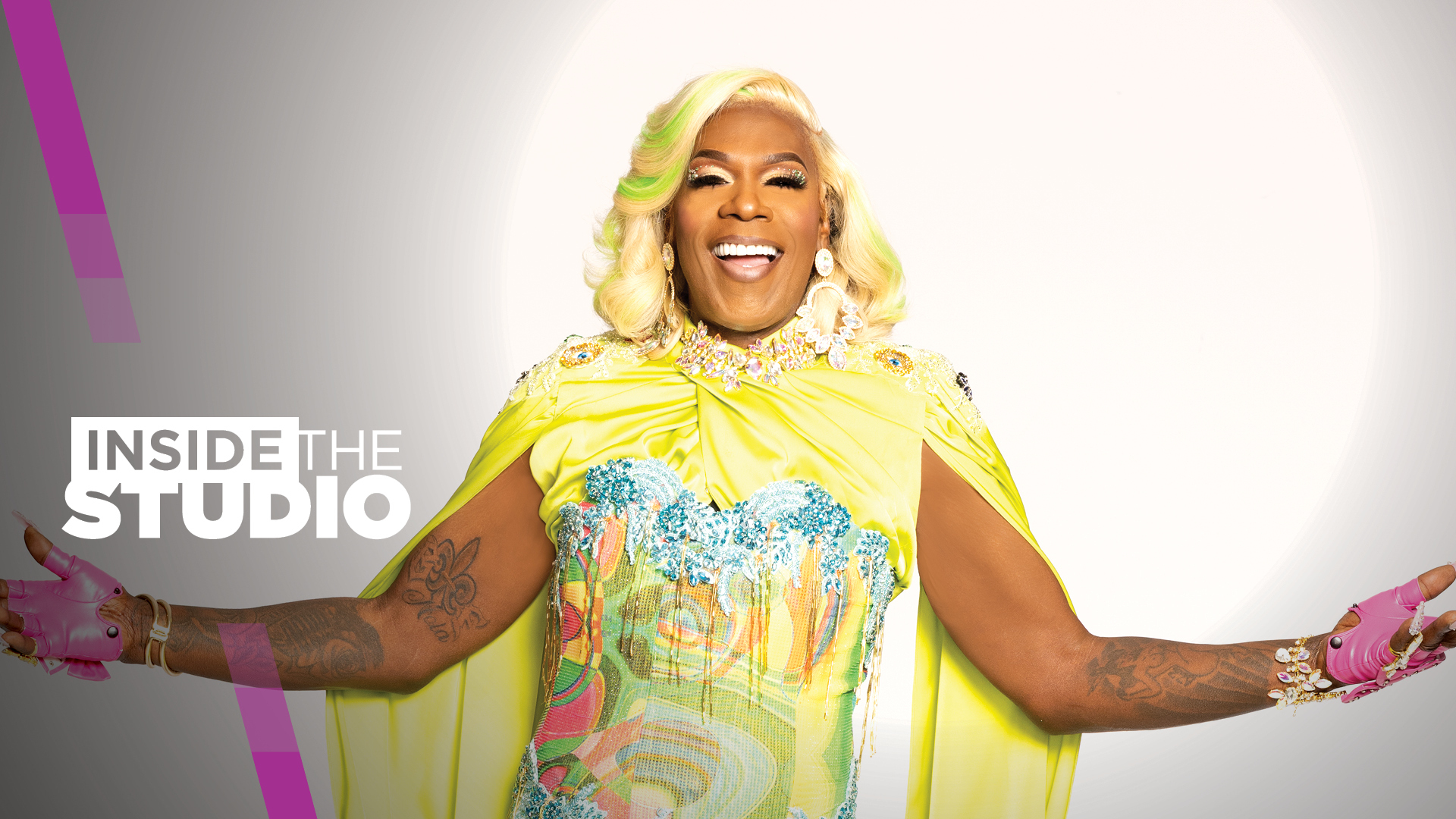
Big Freedia Wants To Bring The Bounce To Gospel Music, ‘God Does Everything For A Reason’
"Big Freedia Means Business" is back for Season 2 and Freedia is ready to go gospel.
Big Freedia is back with an all-new season of her hit reality show Big Freedia Means Business; and this season, the bounce queen is going gospel.
In season 2, Freedia and her team dive into new business ventures, music projects, writing a children’s book, and an unexpected move into gospel music. The New Orleans legend offers fans a behind-the-scenes look at her journey to manage multiple thriving businesses, lead her team, and balance her personal life.
Big Freedia’s hustle knows no bounds, even when a business venture hits a snag. This season, Freedia doubles down on successful projects like her Royal Bud cannabis line, Shade Sunglasses, and the ongoing development of the Big Freedia Hotel. Additionally, a new gospel album and exciting collaborations are in the pipeline.
“Lots of fun things,” Freedia told BLACK ENTERPRISE about the new season. “Still dealing with all of the businesses that Big Freedia has going on.”
“The makeup brand, the shades by Big Freedia. We’re dealing with the cannabis also. We’re also dealing with Hotel Freedia and, you know, I’m also working on my new gospel project.”
Season 1 saw Freedia share her dream of opening a boutique hotel in her hometown of New Orleans. But as season 2 premieres, the hardest twerkin’ diva is still hard at work on bringing the hotel to life. She admitted to facing challenges that have delayed the hotel’s launch.
“It has been a few challenges with that, but we are still working hard, countless days and countless hours, to make that happen and to get my dream hotel open,” she shared.
Now, Freedia aims to defy expectations and critics by releasing her first-ever gospel album. As an LGBTQ+ bounce music icon, shifting to the gospel is a bold move, but it’s one the Grammy-winning artist felt called to pursue after feeling God placed it on her heart.
“God does everything for a reason. He put this on my heart,” Freedia explained. “I had a spiritual awakening one day. Here in New Orleans. And I think that it is just time for me to give God the glory and the praise that he so much deserves for just keeping me so long in the game of music and the longevity.”
Freedia continued, “I just want to give back to God what he has given to me. And I think right now, the world needs this more than ever. A lot of people are going through hard times and hardships. I think that this gospel project and this gospel album will definitely lift up people’s spirit in many different ways.”
Famous for her high-energy bounce music, Freedia is no stranger to gospel, having been raised in the church. She’s eager to reconnect with her roots and create music that uplifts people on a deeper level.
“This is where I grew up. This is my background. So I’m very much aware of what to do and how to do it,” Freedia declared. I’m just going back and taking it back to the roots. And I think that people will be very excited to hear what I have in store.”
Season 2 of Big Freedia Means Business features guest appearances from Grammy-winning artist Macy Gray, Emmy-winning actress Sheryl Lee Ralph, Tamar Braxton, and Billy Porter, featured on Freedia’s gospel album and Cimafunk.
Press play below for the full interview and catch Big Freedia Means Business season 2 on Fuse and Fuse+
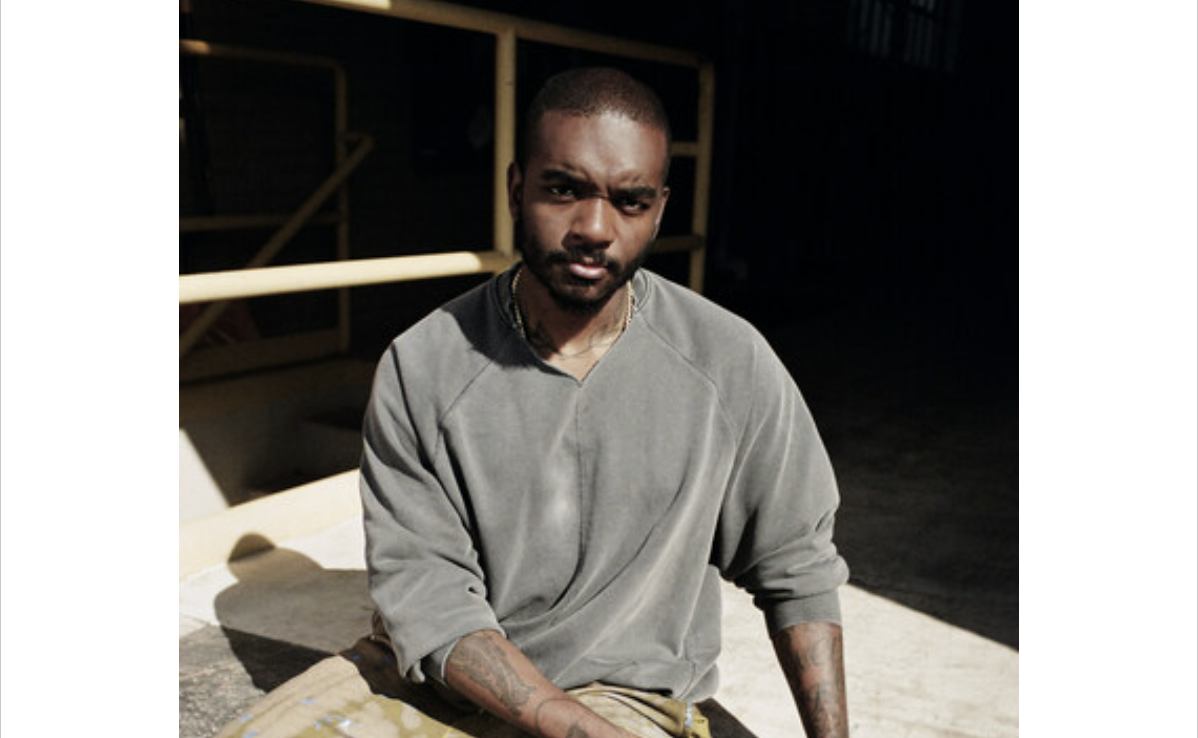
Samuel Ross’s New Luxury Menswear Line Inks Multiyear Partnership With Zara
Menswear mogul Samuel Ross is coming to a Zara near you.
Only a month after the discreet launch of his new high-end menswear line SR_A, designer Samuel Ross has formed a multiyear partnership with Zara.
On Monday, the Virgil Abloh protégé announced the partnership in an Instagram post that teased the “raw functional garments” that will soon be available to consumers in early 2025.
“Samuel Ross MBE and ZARA present a unified vision,” the caption read. “One formed of robust garments built for leisure, respite and exploration.”
“Under his unfiltered artistic direction, SAMUEL ROSS_ACCESS, engineered by ZARA, will deliver physical installations and garment presentations across global cities,” the brand added.
Ross tells Business of Fashion that the partnership includes “fashion installations and artistic performances across key cultural cities.“
“We’re not talking about a short-term cycle where we’re trying to push out a lot of product very quickly. This is a mature offering, which will build gradually each year and is reflective of the intelligence of our audience.”
The collaboration comes after Samuel Ross took a monthslong hiatus from fashion following his departure from his British luxury streetwear brand A-Cold-Wall in February. After selling his stake to longtime partner Tomorrow Ltd., Ross shifted his focus to artistic projects and consulting for Apple’s Beats headphones brand.
By September, the British menswear mogul returned with SR_A, a new high-end line that quietly debuted using a made-to-order model. Just one month later, Ross unveiled a multiyear partnership with Zara, following in the footsteps of Stefano Pilati, who also collaborated with the Spanish fast-fashion brand last month.
Ross’ deal will expand access to his in-demand designs with bi-annual menswear collections under the label “SR_A Engineered by Zara.”
The collection will showcase “functional, refined garments” that embody the “maturity” of the menswear market since Ross debuted A-Cold-Wall in 2015.
“I think we’ve seen a maturity from the audience from the time when there was this high focus on luxury streetwear five or so years ago,” said Ross.
Black eBAY Sellers Get ‘Up & Running’ With $10K Grant Opportunity
Several Black businesses among eBay grant winners out of 18,000 applications submitted.
Several Black businesses, selling items ranging from consumer electronics to wigs, are new recipients of $10,000 grants from online marketplace giant eBay.
In late September, the San Jose, California-based firm chose 50 US sellers to receive $10,000, totaling $500,000 in grants. They gained training and mentorship to help strengthen and grow their businesses. Finalists will receive a $500 stipend to equip themselves with essential business technology and tools from eBay Refurbished.
The funding is part of eBay’s Up & Running Grants program, which is currently in its fifth year. A global marketplace, eBay reported receiving 18,000 submissions this year across 28 states. That is a big deal, as eBay stated that it has received its largest and most diverse pool of such applicants to date.
Since 1995, eBay has backed small businesses. It has 132 million active buyers, operates in over 190 markets worldwide, and had a $73 billion gross merchandise volume last year.
Further, this year’s candidates included 19% more early-stage entrepreneurs than last year. “Entrepreneurship is at the heart of eBay. We have always been committed to empowering small business owners and providing the tools they need to be successful,” Dawn Block, VP, U.S. General Manager at eBay, stated.
It was revealed earlier this year that the grants can be used for multiple purposes, including investing in new equipment, inventory, and marketing. The grants are aimed to help Black eBay sellers and all the company’s sellers.
eBay did not disclose the specific number of Black businesses that received the latest grants. However, some Black entrepreneurs who sell on the eBay platform shared how they plan to use the $10K grants.
Take Walter Roberts of The Buying Spot, which sells various goods in categories including consumer electronics, sporting goods, clothing, shoes, and accessories. He plans on using the funds to buy new equipment, make bulk purchases, and travel to the eBay conference for resellers.
“This is a great opportunity, and I thank God for the chance to grow.”
For Rickie Miller of Kris Kross Wigs, a wig entrepreneur in the health and beauty space, the opportunity with eBay helped jumpstart the business. “The funding will allow me to employ women in homeless shelters, train them, and invest in wholesale materials to make my wigs more affordable. My business serves a diverse clientele with products for all races, genders, and ages.”
The grant will help spur growth for Jonathan Copeland of Vino Club Village. His business sells various categories, including sports memorabilia, toys and hobbies, clothing, shoes, and accessories.
“I plan on using the funds to continue to grow my business by investing in high-quality products and to elevate the customer experience.”
Gain more details about eBay and the grant recipients here.
Black Women At A ‘Crisis Point’ In Nonprofit Leadership Roles Are Leaving The Sector
Black women nonprofit leaders are leaving the sector. A group in Washington, D.C. looks to reverse that trend.
Black women in nonprofit leadership are at a “crisis point” and are leaving the sector as the landscape rapidly declines, according to founders.
In recent years, increasing numbers of Black women have been steadily exiting the organizations they founded as the challenges become too overwhelming. Conversations in close circles reveal frustrations over additional reporting demands from funders, lower compensation than similar-sized organizations, constant doubt about their leadership, and ongoing microaggressions.
Amid the lingering effects of the COVID-19 pandemic, a growing backlash against DEI initiatives, and uncertain economic conditions, Black women leaders are facing a precarious mix of challenges, prompting many to step away from their roles in a sector that employs thousands, serves countless individuals, and oversees the distribution of hundreds of millions of dollars.
“We started to see the increase in terms of Black women leaders struggling with their board of directors,” Indira Henard, a longtime D.C. nonprofit leader, told the Washington Business Journal. “Black women leaders leaving their organizations—whether it was by choice, or by force—and when they were leaving their organizations, leaving not well. We also saw the lack of support for Black women leaders, by not just their boards, but just funders and the community at large.”
Henard reached her breaking point two years ago while attending a Leadership Greater Washington poker night. Too many of her fellow Black women nonprofit leaders were struggling, and it weighed heavily on her. The executive director of the D.C. Rape Crisis Center reflected on the rapidly deteriorating landscape and knew something had to change.
“My soul was tired,” she thought to herself. “What is it going to take for the sector to wake up and understand that we’re at a crisis point with Black women leaders?”
Henard teamed up with other Black women nonprofit leaders to find a solution. They initiated plans to commission a report examining the landscape for Black women in leadership and identifying the resources needed to address the challenges. As the project expanded, they transitioned the initiative to the Washington Area Women’s Foundation.
The group’s efforts culminated in the release of the 40-page “Thrive as They Lead” report, published by the Washington Area Women’s Foundation in 2023. The D.C. firm conducted nearly 40 interviews with Black women and Black gender-expansive executive directors, CEOs, and presidents from across the region in the nonprofit sector.
Ninety percent of respondents reported that their work had negatively impacted their health and well-being. Seventy percent agreed or strongly agreed that Black women in leadership had been under attack in recent years. Half admitted to struggling to meet their families’ financial needs, with a quarter strongly agreeing. Only 19% felt the region was a place where Black women leaders could thrive.
The report’s findings shined a light on what many Black women nonprofit leaders and their allies already knew, but formal documentation may prove crucial in shifting the narrative. The report prompted actionable solutions for the nonprofit sector that would guarantee proper support for leadership.
The Women’s Foundation is now focused on implementing the recommendations from the report and is raising funds to support the initiative. It hopes to raise between $3 million and $4 million over the next two years.
“At any given moment, I know of at least five to eight Black women leaders who are this close to saying, ‘I’m done,’” Koube Ngaaje, president and CEO of the District Alliance for Safe Housing, toldthe Washington Business Journal.
“If we don’t address the harmful systemic inequities, and do it well, and invest deeply, we will lose anywhere between 30% to 50% of Black women leaders in the region’s nonprofit sector in the next three to five years,” Ngaaje added. “And I can guarantee you that.”