The Outlawz Member Recalls Afeni Shakur Taking Tupac Off Life Support, ‘He Probably Could Have Lived’
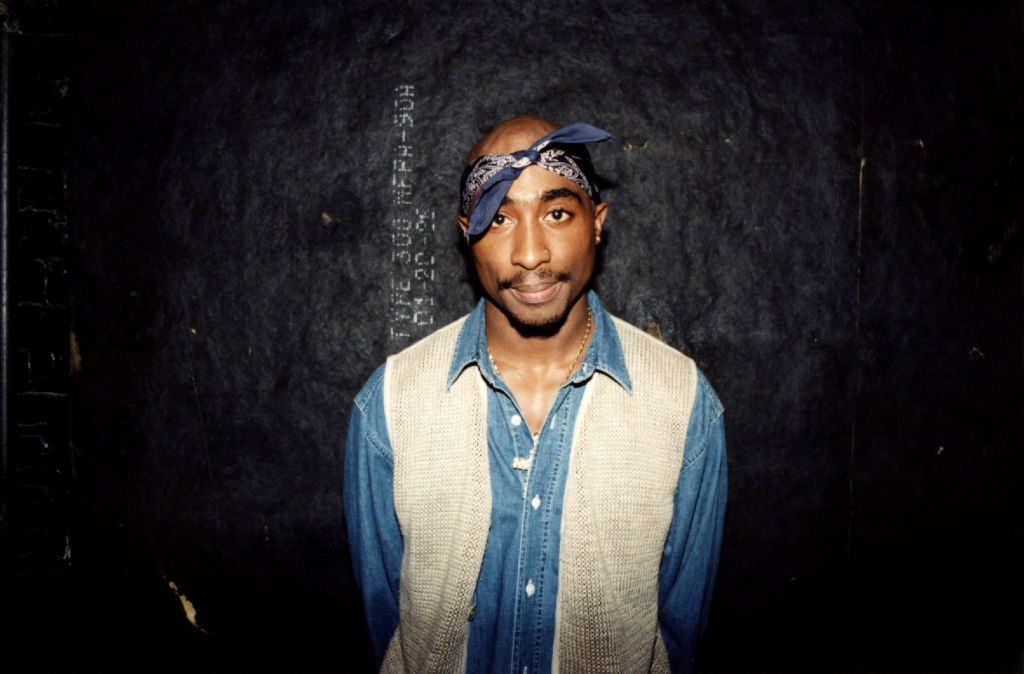
Young Noble of The Outlawz reveals that Afeni Shakur made the decision to take Tupac Shakur off life support while he was still fighting for his life.
Young Noble of The Outlawz became emotional as he reflected on the day Tupac Shakur succumbed to his injuries and passed away after being shot in Las Vegas.
Noble shared that while conspiracy theories still surround Tupac’s death, the iconic rapper was undoubtedly on his deathbed in 1996, having lost a lung and a finger. Despite his critical condition, Pac was still fighting for his life. Ultimately, it was his mother, the late Afeni Shakur, who made the heartbreaking decision to let her 25-year-old son go, allowing him to “fly” rather than prolong his suffering.
“I was right there, front and center. Let them tell it, he’s still alive underground like Bin Laden somewhere hiding or in Cuba… Nah, he really died,” Noble told The Art of Dialogue. “I really was in the hospital. I really saw him with tubes in his body. I really saw his body full of fluid real big. He wasn’t skinny with the six-pack; his body was full. He really f—king died on us.”
The New Jersey rapper, who was just 18 when Pac passed, revealed that it was Pac’s mother who made the difficult decision to “let her son go.”
“He probably could have lived. His momma said, ‘Nah, f—k all that. I think he lost his finger, he was gonna lose a lung, they were gonna do all these surgeries,” Noble recalled. “You know how strong your momma gotta to be to say, ‘Damn, he’s probably could make it. I don’t want my son to endure no more pain in this world. Y’all tear him down.’ That sh—t is devastating.”
“She let her son go. ‘Pac ain’t die; Afeni said, ‘Let my son fly,'” he added.
The Death Row alum grew emotional and walked off set during his first interview in seven years while discussing the tragic event. This came after Noble expressed the remorse The Outlawz felt over The Notorious B.I.G.’s death, which occurred six months after Pac’s passing.
Noble recalled the day they heard the news and felt defeated after being kicked out of so many hotels and being on high alert in the wake of Pac’s passing. The rapper shared how he felt like “hip-hop was dying.”
“This ain’t how it’s supposed to be. We didn’t wish that on Biggie or nothin’ like that. It felt devastating,” he said.
Diddy Denied Evidentiary Hearing On Claims The Government Is Leaking Information To The Press
Diddy was denied a motion for an evidentiary hearing on claims of government leaks.
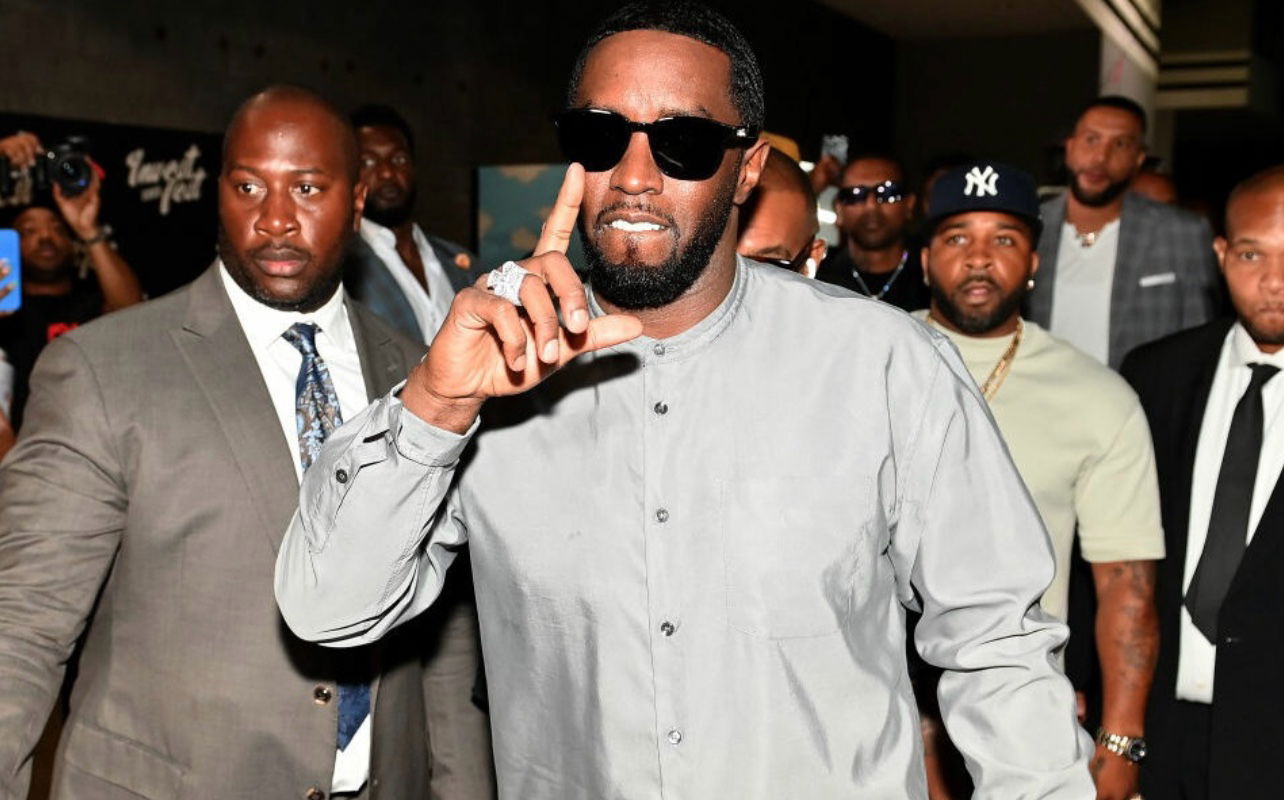
Sean “Diddy” Combs has been dealt another legal blow as a judge denied his latest motion for an evidentiary hearing.
On Monday, Judge Arun Subramanian rejected the disgraced music mogul’s request for additional discovery and an evidentiary hearing, according to The Wrap. The judge criticized Combs’ legal team for failing to provide evidence that the U.S. government had leaked sensitive information to the media, including the 2016 hotel surveillance video of his violent assault on ex-girlfriend AND R&B singer Cassie, which CNN obtained, or notifying the press about the April raids on his properties in New York, Miami, and Los Angeles.
The ruling comes in response to the rapper/entrepreneur previously alleging that the “government, primarily through [the Department of Homeland Security (DHS)], has engaged in a seven-month campaign” against him.
The Bad Boy founder believes the timing of the leaked hotel video could only be the decision of a government insider.
“Combs suggests that the ‘timing of the leak’ points to a government source because federal agents ‘would have known that May 17 was … a perfect time’ due to the ‘break in the Trump trial’ for Barron Trump’s high school graduation,” his filing states.
However, according to Judge Subramanian, “Combs has not carried his burden to show that the government leaked it to CNN. Combs argues that ‘the most likely source of the leak is the government,’ but he doesn’t point to any sound basis for this conclusion.”
“The court reminds the public that whether the government can prove Combs’ guilt in this case will turn on the evidence presented at trial, not in a ‘trial by newspapers,’” the judge added.
Federal authorities are denying any involvement in the information revealed to the press. Combs remains behind bars at the Metropolitan Detention Center in Brooklyn, New York, on charges of racketeering conspiracy, sex trafficking, and transporting individuals for prostitution. His multiple requests for bail have been denied before his federal trial scheduled to begin on May 5, 2025.
Former University Of Michigan DEI Officer Considers Legal Action After Being Fired For Alleged Antisemitic Remarks
Something isn't right here.....
The attorney of a former top DEI officer at the University of Michigan said their client may take legal action after being fired for allegedly making antisemitic remarks about the school’s relationship with the Jewish community, CNN reported.
Rachel Dawson, who served as director of the university’s Office of Academic Multicultural Initiatives, was accused of saying, “The university is controlled by wealthy Jews” during an alleged conversation with two professors at an academic conference on diversity and equity in March 2024. The antisemitic accusations continued with her allegedly saying, “We don’t work with Jews. They are wealthy and privileged and take care of themselves” and “Jewish people have ‘no genetic DNA’ that would connect them to the land of Israel.”
The Provost of the institution fired her in early December 2024, labeling her alleged actions as being “inconsistent with her job responsibilities, including leading a multicultural office charged with supporting all students, and represented extremely poor judgment.” But Dawson’s lawyer, Amanda Ghannam, denies all the allegations and claims her client received a warning letter on Oct. 15 and was placed on leave close to two weeks prior to receiving the letter. Ghannam called Dawson’s termination a violation of her client’s constitutional rights as a public employee. “The law is extremely clear that public employees are protected by their First Amendment rights,” Ghannam said.
According to The Detroit News, the attorney blamed Michigan for turning a blind eye to alleged antisemitic remarks, which is a “straightforward free speech issue.”
“My client was approached by two women who initiated a conversation with her. She didn’t go up to them… they began to ask her about the University of Michigan, saying there was a lot of antisemitism on campus,” she claimed.
“They became upset and started asking her unrelated questions about Israel. When they did not like what she had to say, they went after her employment, and it’s disturbing that the University of Michigan took their side rather over a beloved on-campus leader with a history of supporting and advocating for all students.”
Ghannam argued that Dawson disagreed with the women and actually Michigan, highlighting the amount of campus resources and organizations available to the student body – including the school’s Jewish students. The lawyer also confirmed the lack of a recording or proof of the comments from her client or the school, leaving Ghannam to believe the comments are “complete fabrications.”
The incident couldn’t come at a more inconvenient time, as tensions have escalated between the university’s administration and pro-Palestinian students alongside backlash regarding Michigan’s plans to cut diversity, equity and inclusion programs. On Dec. 9, the home of a Jewish member of the school’s Board of Regents was vandalized with pro-Palestinian graffiti.
Dawson’s biography, which has been removed from the university’s website, cited her as being “actively involved in the U-M community as a leader, collaborator and DEI champion, for example, holding positions on the executive team of the Women of Color Task Force and having co-chaired the U-M Juneteenth Planning Committee.”
Prior to leading the office that provides resources and support to underrepresented students, she worked as managing director of the university’s academic medical center for six years.
Affirmative Action Ban Strikes Again As Black Student Enrollment Drops More Than Half At Harvard Law
Are we shocked here?
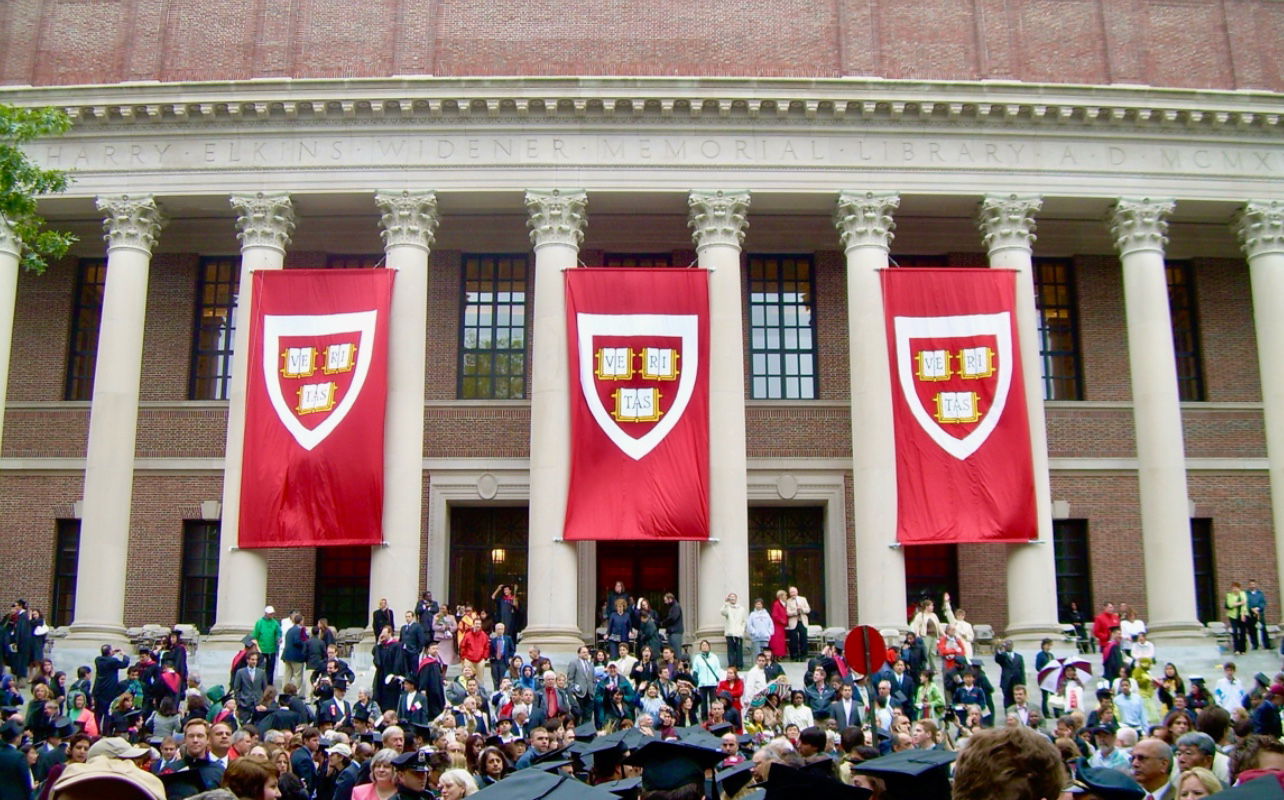
The Supreme Court’s 2023 decision to ban affirmative action in college admissions is taking a toll on universities, including Harvard Law School, which enrolled its lowest class of Black applicants in years, the New York Times reports.
Data from the American Bar Association revealed the law school only enrolled 3.4% or 19 first-year Black students, the lowest number of Black students since the 1960s, and more than half of the 43 Black students enrolled in 2023. While there may be other explanations behind the decline, it is noticeable given elite alum who became some of the nation’s top Black lawyers, including former President Barack Obama and former first lady Michelle Obama, former Massachusetts Gov. Deval Patrick, and Supreme Court Justice Ketanji Brown Jackson.
Experts like Harvard law professor David B. Wilkins feel Harvard specifically being named in the suit that drove the high court’s decision played a critical role. “This obviously has a lot to do with the chilling effect created by that decision,” Wilkins, who studied Black representation in the legal field, said.
“This is the lowest number of Black entering first-year students since 1965.”
The 1965 incoming class welcomed 15 Black students. Since 1970, the average number of first-year Black law students has ranged between 50 and 70.
The high court’s ruling came in response to admission challenges at the University of North Carolina at Chapel Hill and Harvard, resulting in nationwide protests and universities seeking new ways to promote campus diversity. Some law schools changed their application essays to gain a deeper understanding of applicants’ backgrounds without having issues with their acceptance decisions.
Harvard’s law school admission didn’t just drop. A decline in Black first-year undergraduate students at the Boston-based school also fell to 14% from 18% in 2023.
Harvard Law spokesperson Jeff Neal stated that first-year data is difficult to navigate but claims the school believes “that a student body composed of persons with a wide variety of backgrounds and experiences is a vital component of legal education.” “Harvard Law School remains committed both to following the law and to fostering an on-campus community and a legal profession that reflect numerous dimensions of human experience,” he said in a statement.
However, the numbers don’t reflect such values at Harvard and other Ivy League institutions, as the school has reported a drop in other demographics, including Hispanic and Native American students. According to Newsweek, Columbia Law School in New York saw a slight drop in Black enrollment—42 from 48—in 2023. The numbers went up at other schools, such as Yale and Stanford. Yale went from 23 to 25 Black first-year students, while Stanford doubled its Black enrollees.
Despite the backlash, affirmative action critics view the decline as a positive. A law professor at the University of California, Los Angeles, Richard Sander, argued that the Black enrollment decline may be beneficial “because those students are going to go to another school where they’re better matched and they’re poised to succeed.” “Students prefer going to a school where they are not going to get a preference because they think they’ll be more competitive there, which I think is true,” Sander said.
However, Wilkins argued that the decline in admission numbers reflects the negative impact of the Students for Fair Admissions lawsuit and the additional barriers against prospective Black lawyers.
Scholarship Programs For Underrepresented Minorities Under Attack For ‘Discriminating Against White Males’
Two medical scholarships are being sued by a nonprofit that targets "woke activists."
Two college scholarships are facing scrutiny from an organization claiming they discriminate against white male applicants.
Do No Harm, a nonprofit organization that describes itself as “a national association of medical professionals combating the attack on our healthcare system from woke activists,” has filed two lawsuits against separate scholarship programs it claims exclusively benefit “underrepresented” minorities, Fox News reports.
One lawsuit targets the Society of Military Orthopaedic Surgeons’ (SOMOS) E. Anthony Rankin Scholarship Program on behalf of a DNH member who claims he could not proceed with the scholarship application process because he is a white male.
“Member A was hurt and dismayed that SOMOS would use his race — which he cannot control — to preclude him from participating in the program and learning from some of the country’s most distinguished orthopedic surgeons in service of our nation’s military and veteran communities,” the complaint states.
The lawsuit states that the scholarship program is designed for “underrepresented medical students” and pairs participants with a “U.S. Military host” at one of two medical centers. The program, which lasts four weeks, offers up to $12,000 to cover “travel, housing, and daily per diem for the duration” of their military service, according to the program’s website description, which is quoted in the filing.
The lawsuit, which also listed Defense Health Agency Director Telita Crosland, Secretary of Defense Lloyd Austin, and others in their official capacities as defendants, argues that by operating “in partnership with SOMOS, a race-based service-learning program” for students pursuing orthopedic surgery, they are violating the Fifth Amendment.
“But the program excludes white, male applicants,” the complaint states.
DNH seeks a permanent injunction to prevent enforcement of the program’s eligibility requirements and, if needed, “a preliminary injunction barring Defendants from enforcing the program’s racial requirement.”
DNH also filed a suit against the University of Colorado’s “Underrepresented Minority Visiting Elective Scholarship” on behalf of a member “who is ready and able to apply for the scholarship” but cannot due to his race, the complaint claims. The scholarship is provided through the university’s medical school’s Radiation Oncology Department as part of its visiting elective rotation.
The lawsuit cites the scholarship, which offers “up to $2,000 reimbursement for ‘the cost of lodging, travel, and related expenses for [the] four-week elective.'” To be eligible for the scholarship, applicants must be enrolled at an accredited medical school and in good standing. They are also required to submit a “brief statement of interest.”
“Scholarship is prioritized based on the applicant’s interest in pursuing a career with underserved populations, service, leadership, and academic achievement,” the filing states.
However, DNH claims that the scholarship is intended for individuals from historically disenfranchised communities, despite the scholarship website stating that it is “not limited to” specific races.
“But the scholarship is not open to everyone,” the complaint states. The filing says the scholarship specifies eligibility is open to those “‘who identif[y] with groups who are recognized as historically underrepresented in medicine including but not limited to African American/Black, Native American, Hispanic/Latino, Pacific Islander, LGBTQ+, or those from a disadvantaged socioeconomic background.'”
The lawsuit says the DNH member “meets all nonracial eligibility requirements” for the scholarship. The nonprofit seeks a declaratory judgment, arguing that the scholarship violates the Equal Protection Clause and Title VI, and a permanent injunction “barring Defendants from seeing or considering applicants’ race when selecting the recipients.”
“Although Member A meets all the nonracial eligibility requirements and would be a strong candidate for the scholarship, Member A is not eligible to apply because he is a white, straight male and does not identify as any other ethnicity,” the complaint states.
The DNH lawsuits are part of a broader pushback against DEI (Diversity, Equity, and Inclusion) initiatives. Conservative-led groups are challenging such programs, claiming they discriminate against white individuals. This follows the U.S. Supreme Court’s 2023 6-3 decision to strike down affirmative action, ruling against using race as a factor in college admissions.
In September, the Fearless Foundation, a charity dedicated to closing the economic funding gap for Black women-owned businesses, was targeted and ultimately shut down for using race as a criterion to support these businesses.
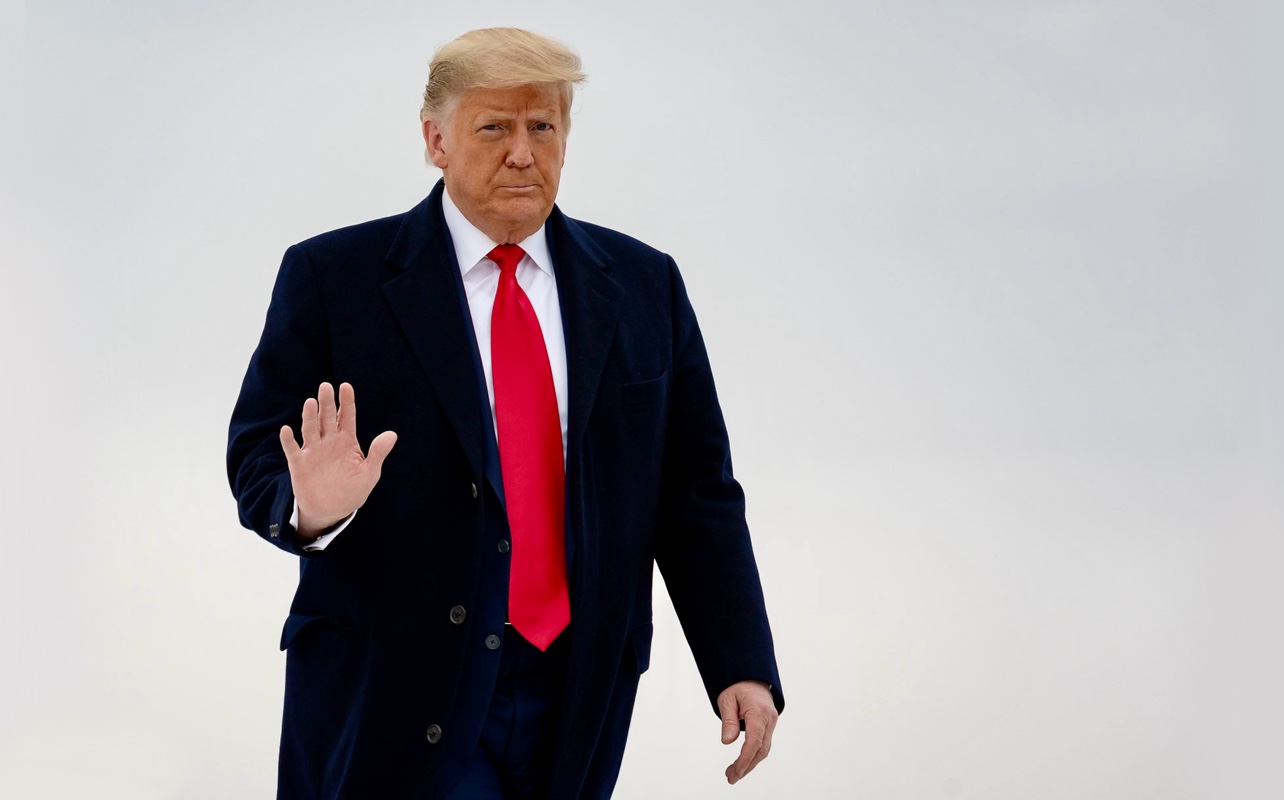
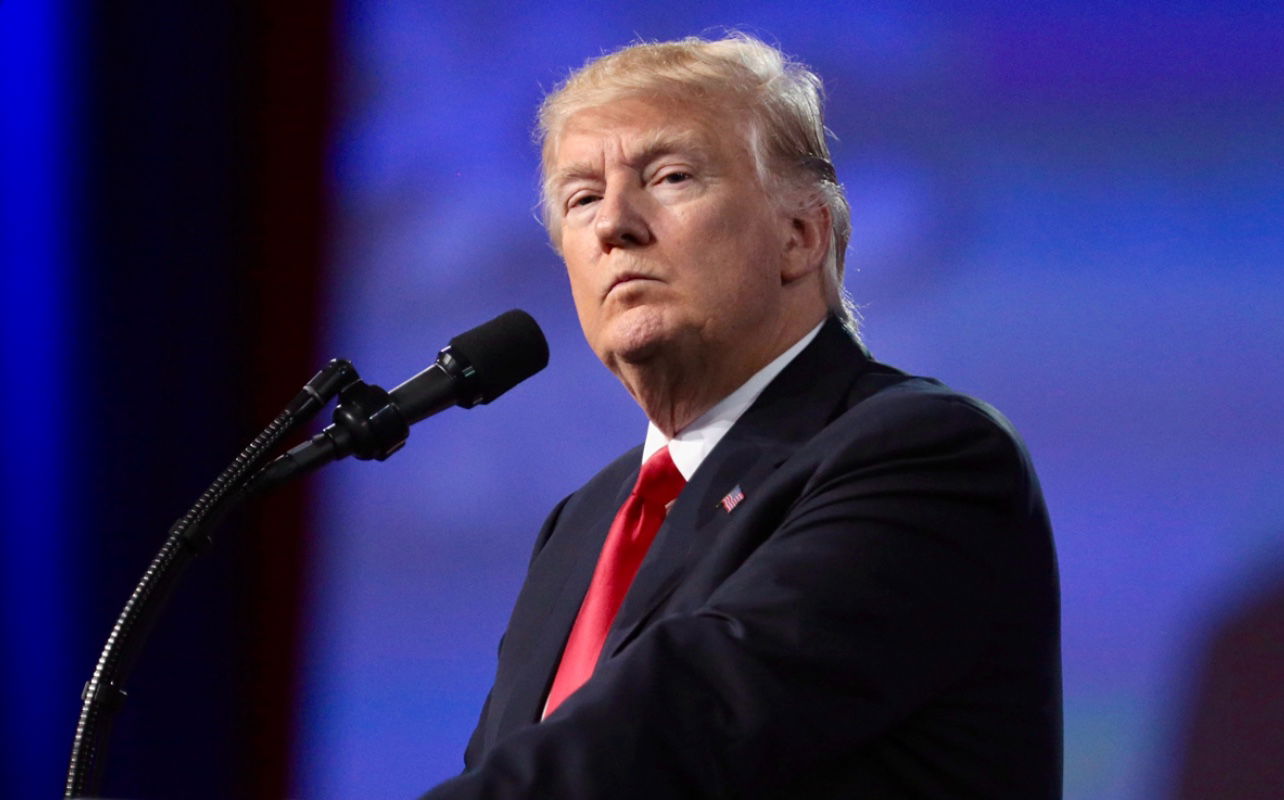
Despite the ruling of the U.S. Supreme Court on presidential immunity, Judge Juan Merchan says otherwise; however, he has not yet ruled on the President-elect’s efforts to toss the case out completely. Trump’s legal team argued that New York prosecutors introduced evidence during the trial that the presidential immunity doctrine would protect. Some evidence included testimony from Trump’s White House aides, tweets from the President-elect while he was in office during his first term, and his government ethics form.
However, Merchan ruled Trump failed to present his immunity objections early on in the seven-week trial; therefore, protections were rejected. “The evidence related to the preserved claims relate entirely to unofficial conduct and, thus, receive no immunity protections; and as to the claims that were unpreserved, this Court finds in the alternative, that when considered on the merits, they too are denied because they relate entirely to unofficial conduct,” the judge wrote in his ruling.
According to the Associated Press, Merchan mentioned that even if evidence were found to relate to official conduct, he’d still rule that the prosecutors’ decision to use “these acts as evidence of the decidedly personal acts of falsifying business records poses no danger of intrusion on the authority and function of the Executive Branch.” He continued to push the narrative that even if prosecutors introduced evidence that could be challenged through an immunity claim, “such error was harmless in light of the overwhelming evidence of guilt.”
Trump was convicted in May 2024 on 34 counts of falsifying business records in correlation to a $130,000 hush money payment to porn actor Stormy Daniels in 2016, which the businessman denies. He and members of his team were accused of conspiring a scheme to hide the payments to Daniels during the final days of Trump’s 2016 presidential campaign, in hopes of stopping her from going public.
Trump communications director Steven Cheung referred to Merchan’s decision as a “direct violation of the Supreme Court’s decision on immunity, and other longstanding jurisprudence.” “Today’s decision by deeply conflicted, acting Justice Merchan in the Manhattan DA Witch Hunt is a direct violation of the Supreme Court’s decision on immunity and other longstanding jurisprudence,” Cheung said in a statement.
“This lawless case should have never been brought, and the Constitution demands that it be immediately dismissed.”
The hush money case marks the first-ever criminal prosecution of a former president and the only one to make it to trial. In his decision, Merchan highlighted how part of the Supreme Court’s immunity ruling declared that “not everything the president does is official,” writing Trump’s social media posts were personal, as an example. Another federal court ruling seemingly sided with the judge, concluding the hush money payment and reimbursements pertained to Trump’s private life and not official duties.
Trump’s New Economic Policies Could Have A Detrimental Impact On Black Businesses, Yet Some Opportunities May Exist
Black businesses could possibly see their growth hindered by Trump's economic agenda on many fronts.
A sizeable 24% of Black-owned businesses operate in sectors dependent on imports affected by tariffs. Due to the projected tariffs the Donald Trump administration proposes, the annual revenue loss for those businesses could range from $1.8 billion to $3.6 billion.
That estimate is based on an analysis by William Michael Cunningham, an economist and CEO of Creative Investment Research. And it’s just one possible game-changing example of what challenges Black businesses could face once Trump begins his second term as president.
Though the impact of the new policies is unclear, a group of Black economists agrees that they could harm Black businesses struggling to compete against larger and financially stronger non-diverse peers.
Trump’s proposed policies could raise the cost of consumer goods, increase government debt, and raise the cost of living for people making under $100,000. There is also uncertainty about how his leadership will impact the Federal Reserve’s ability to control interest rates.
TRUMP’S AGENDA MET WITH CONCERN FROM BLACK ECONOMISTS
BLACK ENTERPRISE interviewed several Black economists to understand what the next four years could look like under the proposed policies in several areas. The Trump administration has suggested cutting the corporate tax rate from 21% to 15%. Though some entrepreneurs may embrace the reduction, other observers fear Trump’s protectionist trade approach and pledge to erase the Affordable Care Act, creating costly, systemic problems that could prevail over the tax benefit.
On the trade front, Trump has advocated 10% to 20% tariffs on all imports and 60% to 100% tariffs on goods from China. He declared the policies would produce new jobs and help the U.S. manufacturers. However, the National Retail Federation estimates the tariffs would cost consumers $78 billion annually.
Another concern is that Trump’s broader economic plan could raise the federal deficit, which this report estimates could range from $3 trillion to $7 trillion.
PROPOSALS COULD CREATE A “MIXED BAG” FOR BLACK BUSINESSES
Cunningham added that Trump’s policies on protectionism, tax reform, and social spending cuts could create a mixed bag for Black businesses. Tariffs often increase import prices for larger white-owned businesses reliant on international supply chains.
“Black firms may suffer if customers reduce discretionary spending due to inflationary pressures caused by counter-tariffs or supply chain disruptions.”
Romie Tribble, Jr., an economics professor at Spelman College, says Black businesses in transportation/warehousing, retail trade, construction, food services, wholesale trade, manufacturing, and agriculture are more import and export-dependent.
He says imposing a 25% tariff on goods from Canada and Mexico and a 10% tariff on China would be difficult for Black businesses to pass on to customers. The higher cost of goods could yield significant reductions in customer demand and Black business employment, meaning those firms might have to partially or fully absorb the tariffs.
“Losing customers or employees is undesirable since both could cause a sizeable increase in Black business failure or a decline in profits required for reinvestment to either sustain or expand the business,” said Tribble, who is also secretary of the National Economic Association, a network of Black economists, other professionals, and graduate students.
Furthermore, there may be environmental and global setbacks for Black businesses. Cunningham says Trump’s planned abandonment of the Paris Climate Accord signals reduced federal commitment to addressing climate change. As such, Cunningham says this unduly affects low-income and minority communities that are often situated in areas more vulnerable to environmental hazards.
“Black-owned businesses tied to sustainable practices or clean energy industries may lose federal support, hindering growth in these sectors.”
WHAT FUTURE POLICIES COULD MEAN FOR BLACK WOMEN ENTREPRENEURS
Black women-owned businesses, among the fastest-growing firms in recent years, could be negatively impacted by Trump’s tariff policies.
Rhonda Vonshay Sharpe, president of the Women’s Institute for Science, Equity and Race (WISER), told BLACK ENTERPRISE that nearly 4% of Black women who report being self-employed work in nail salons, over 6% in retail, 10% in beauty salons, and over 15% in healthcare this year. These industries import consumer goods, with a large portion coming from China, Vietnam, Europe, and Korea.
She said entrepreneurs in the beauty, health, and retail industries—or any industry that relies heavily on imported goods—should expect the tariffs to increase the cost of inventory. She hopes those costs will be passed on to consumers, making beauty salon services more expensive.
“If these businesses have low cash reserves or are unable to secure loans to offset the increased cost, they are more vulnerable to closure,” Sharpe says. “This will have consequences for wealth accumulation, economic mobility, and fiscal insecurity.”
WISER, which Sharpe founded in 2016, is a nonprofit research think tank that centers on women of color. She is a past president of the National Economic Association.
Another concern is how Trump’s proposed sizeable social spending cuts, including potential funding changes on programs like the Supplemental Nutrition Assistance Program (SNAP), the Department of Education, and Medicare, could impact low-income households.
Sharpe shared that in 2024, Black women comprised 30% of single low-income mothers. “Any cuts in social spending will have precarious consequences for these families and their communities that are already under-resourced.”
POSSIBLE OPPORTUNITIES PROPOSALS COULD BRING
On the upside, Black individuals and entrepreneurs who invest in the stock market might benefit from Trump’s economic agenda. It’s been reported that U.S. stocks endured a bullish run after Trump’s recent election. Much of the upturn was purportedly fueled by expectations that Trump’s policies could help different industries perform stronger, benefitting from tax cuts, deregulation, and centering on domestic energy production. Technology, energy, and financial sectors have seen a stock uptick.
Further, Cunningham says many Black-owned businesses primarily operate at a local to regional scale, including retail, food services, and community-driven industries. He says less competition from international players due to tariffs could provide these businesses with a more competitive landscape.
He shared that protectionist policies often boost consumer interest in domestically sourced goods and services, a trend that could favor small Black businesses catering to local needs.
Lil Wayne Reportedly Spoke To Kendrick Lamar About Super Bowl Performance
'I've spoken to him and I wished him all the best and told him he better kill it' Wayne said, referring to Kendrick's upcoming Super Bowl Halftime performance
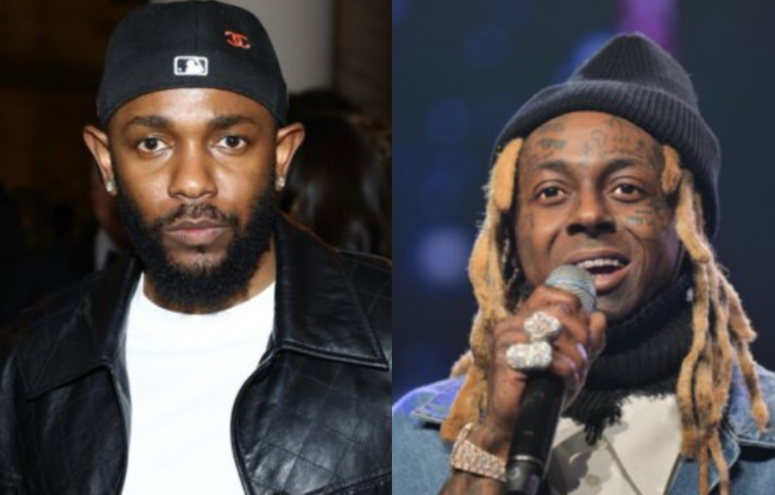
After what some deemed a controversial pick for next year’s Super Bowl Halftime Performance, New Orleans native Lil Wayne acknowledged that he spoke to the person who got the nod, Kendrick Lamar, and told him, “You better kill it.”
The Super Bowl is being played in New Orleans on February 9, and a controversy ensued when Kendrick Lamar, a Compton, California native, was picked over Louisiana’s Lil Wayne, causing conversations that became heated in certain circles. A beef between Wayne and Kendrick was anticipated, especially after the “Humble” rapper engaged in an epic battle with Drake, who was signed to the Young Money label that Wayne owns.
Yet, Wayne stated that he has since spoken to the Compton rapper and that everything’s gonna be alright.
In a recent discussion with sports analyst Skip Bayless, the former Fox Sports commentator asked him about his thoughts on not being selected since the Super Bowl will be in his hometown. Bayless seemingly tried to cause controversy when he brought up Kendrick’s lyrics off of his “Wacced Out Murals” track, where Kendrick mentioned him in the song. Referring to the rapper saying, “Used to bump Tha Carter III, I held my Rollie chain proud/Irony, I think my hard work let Lil Wayne down.”
Wayne tells Bayless that he didn’t hear that but responded by saying, “I think he’s a fan like I’m a fan of his music (he’s a fan of my music)… he saw what everybody else [saw], and he saw how much it meant to me. I think that’s all he means… obviously, he can’t control that. So, he didn’t let me down.”
He went on to inform Bayless that the two have spoken and that he gave him some sound advice.
“I’ve spoken to him and I wished him all the best and told him he better kill it,” Wayne said. “You better kill it. You gotta kill it.”
Michael Vick In Talks With Norfolk State, Sacramento State To Take Head Coaching Position
The former NFL quarterback has never coached a team before
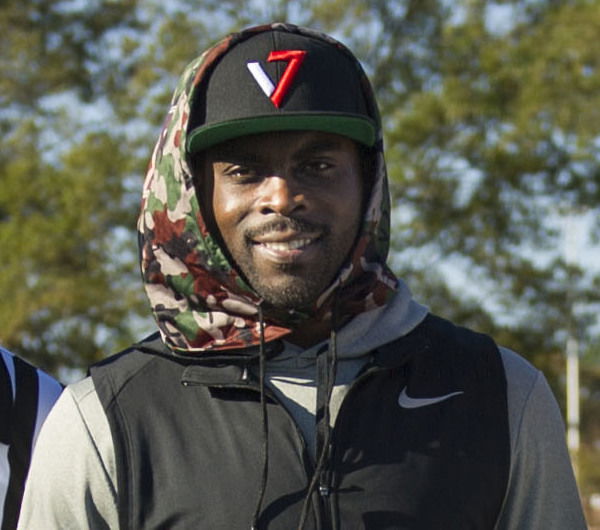
Former NFL quarterback Michael Vick reportedly has two colleges interested in bringing him in as head coach of their respective football teams.
According to The Virginian-Pilot, the current Fox Sports analyst has recently interviewed to become the next head coach at Norfolk State University (NSU). Vick confirmed that he has had recent discussions with the institution with the media outlet. It would be Vick’s first coaching job on any level if hired.
NSU is looking for a coach after terminating Dawson Odums from that position on Nov. 26 after he led the football team to a dismal 15-31 record over four years.
Vick told the media outlet that he has spoken with Norfolk State University President Javaune Adams-Gaston and Spartans Athletic Director Melody Webb. The school contacted him about the position, and he says he is intrigued with taking the reins of the program. Although he has never held the position of head coach, he is confident that his knowledge of the game puts him in a place to be a good leader.
“I know how to lead, and I know what it takes,” Vicks told The Virginian-Pilot.
If he were to take the job, it would be a homecoming since he is a Newport News native. He went to Virginia’s Ferguson and Warwick high schools before playing at Virginia Tech.
The Associated Press reported that Vick also spoke with Sacramento State University about its open head coach position. President Dr. Luke Wood confirmed that he spoke with Vick after The Sacramento Bee dispelled an earlier report that Sacramento was interested.
Vick and I did meet about Sac State football and our athletic rise. As you can imagine, given the success of our athletic programs that our football head coach job is an attractive role. Announcements on several major decisions coming soon. @AdamSchefter@SacBee_JoeDhttps://t.co/WDtvucaJ2w
The university is searching for its next head coach after Andy Thompson left to become an assistant coach at Stanford University. Sacramento State’s record this season was 3-9, and it finished tied for last place in the Big Sky conference.
LL Cool J Releases Autographed Limited-Edition Skate Decks Inspired By ‘The Force’ Album
LL Cool J releases a limited-edition collection of personally signed skateboard decks.
LL Cool J has teamed up to release a limited edition collection of 300 skateboard decks that celebrate music, skateboarding, and art, while saluting his latest full-studio album, The Force.
The hip-hop icon collaborated with The Skateroom to create a dynamic collection of skate decks, featuring 200 solo decks and 100 triptychs worldwide. The collection effortlessly fuses music, skateboarding, and art, featuring bold graphics that draw inspiration from the album’s artwork while celebrating the creativity of skateboarding culture. Each deck also serves as a collector’s item that comes with a certificate of authenticity autographed by LL Cool J himself, Billboard reported.
“Skateboarding, music, and art are about breaking boundaries and rewriting the rules,” LL said in a press release. “Collaborating with The Skateroom on these limited-edition decks honors The FORCE and the culture that made me while sparking the next wave of creativity. These decks are for those bold enough to push what’s possible and make their mark. Let’s ride.”
The decks carry more than just material value; they support The Skateroom’s mission to drive social change. Proceeds from the collaboration will help fund skate NGOs, build skateparks, and empower youth worldwide through education and skateboarding programs.
“At THE SKATEROOM, we believe in the transformative power of art and skateboarding to inspire change,” said Charles-Antoine Bodson, Founder of The Skateroom. “Collaborating with LL COOL J is an incredible honor, as his legacy transcends music and embodies the bold creativity we strive to celebrate. This partnership is about more than skate decks — it’s about bridging communities, empowering youth, and proving that art, music, and skateboarding can create real social impact.”
Released in September, LL Cool J’s The Force has been praised as one of the best albums of 2024 and a standout in the rap legend’s four-decade career. Produced by Q-Tip, the 14-track project features collaborations with Nas, Snoop Dogg, Busta Rhymes, Rick Ross, Saweetie, and more. LL describes the album as “learning how to rap again.”
“It’s like a director going back to film school after he’s had blockbusters,” LL said, or “Denzel going back to acting class.”