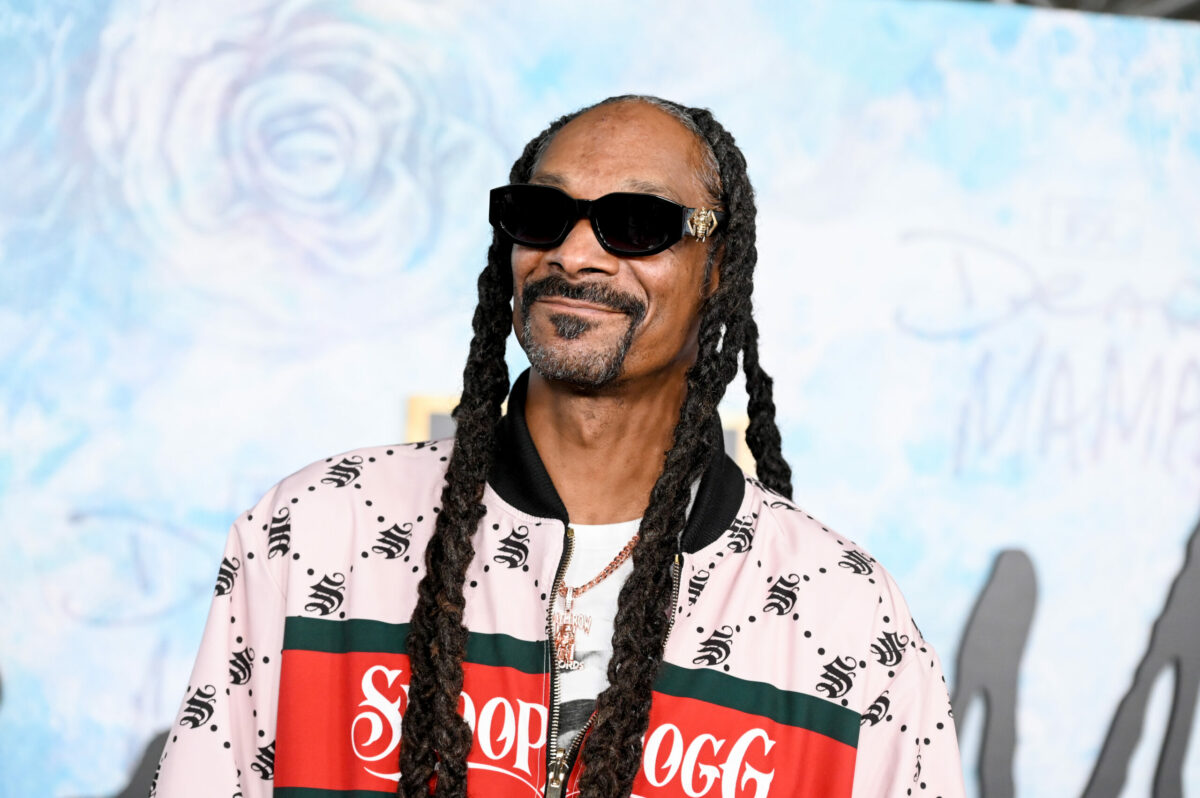
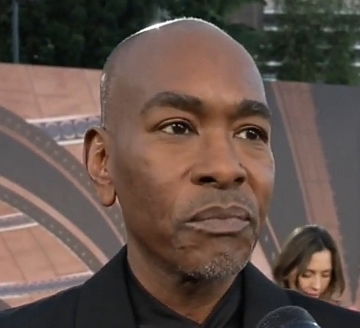
The rapper, entrepreneur, and global superstar has been named the face of Web3, marking the start of the partnership with ta new single, “Spaceship Party,” on the platform, Billboard reports. Snoop Dogg will also move a bulk of his music catalog to the platform, including recordings under Death Row Records.
“I don’t f**k with Spotify anymore. I’m only on Tune.FM,” Snoop said in a statement.
Tune.FM has a decentralized model that prioritizes transparency, security, and fairness for artists through blockchain technology. Web3 uses a cryptocurrency called JAM that offers instant micropayments per second streamed, unlike traditional services.
Users don’t need to have any blockchain knowledge to sign up and start streaming on the platform. Upon joining, users receive A JAM wallet to spend JAM tokens on streaming, tipping artists, and unlocking exclusive content. Snoop Dogg reportedly decided to partner with Tune.FM after connecting with the founder/CEO Andrew Antar at the Crypto Ball during weekend events ahead of President Donald Trump’s inauguration.
“We are thrilled to welcome Snoop Dogg as the face of Tune.FM,” Antar said. “Snoop is the OG pioneer who is always on the cutting edge of technology and new ways of doing business. He totally gets it, and we are ready to take on the world together.”
The partnership goes even further than the Web3 platform as Antar, a classically trained musician, also plays violin on “Spaceship Party.” Snoop Dogg will host exclusive fan experiences and giveaways, such as private events at his home and VIP prize tiers.
The platform will also integrate Tune.FM into live events and concerts, offering artist-fan interactions. Exclusive collectibles will also be available in the platform’s marketplace.
Also, Tune.FM remains in talks with major music distributors like Universal and Sony to bring more exclusive content to the platform.
“Tune.FM operates under non-exclusive licensing agreements, enabling us to unlock new revenue streams for under-monetized catalogs and artist IP on both our streaming platform and marketplace,” a spokesperson said. “We can share that major distributors and labels are increasingly coming on board to upload catalogs that have long been under-monetized.”
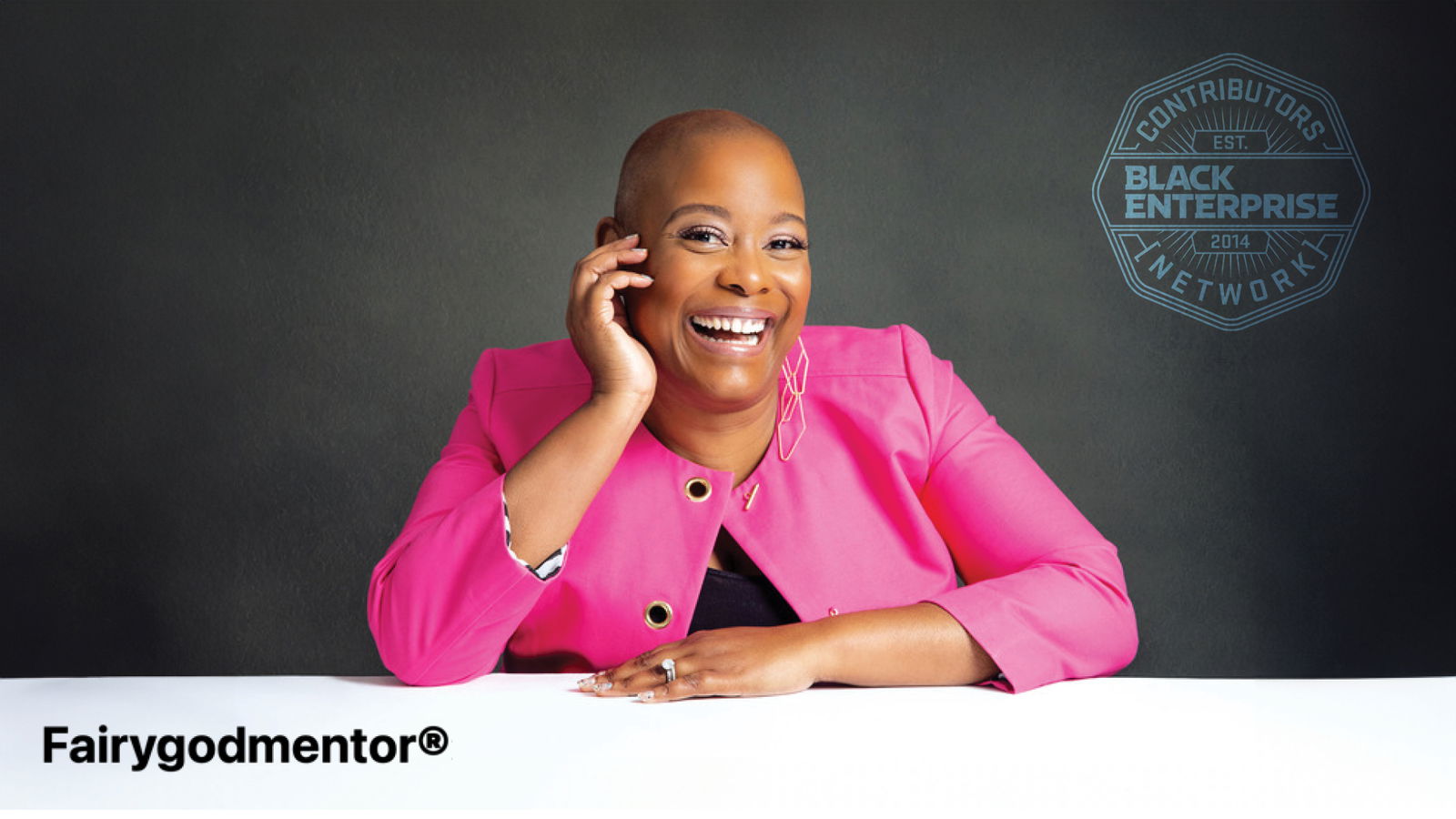
Ask Your Fairygodmentor®: How To Get A Sponsor Who Will Advocate For You
A sponsor isn’t just cheering from the sidelines.
Reader’s Question:
Dear Fairygodmentor, I’ve heard a lot about the importance of having a sponsor, not just a mentor. How do I find one to help me advance in my career? – Seeking a Champion
Dear Seeking a Champion,
I love that you’re thinking about leveling up! I have an entire chapter dedicated to this topic in my book, Show Your Ask. First, let’s get clear on the difference between a mentor and a sponsor. Think of NASCAR—mentors are like your pit crew, ensuring you’re performing at your best. Sponsors? They’re the ones putting their name (and resources) on your car, signaling to everyone that you’re worth betting on.
What’s a sponsor and why do you need one?
A sponsor isn’t just cheering from the sidelines. They have power, influence, and access to rooms you want to be in. Sponsors are typically your direct manager, senior executives, or high-ranking leaders with significant connections. They don’t just advise—you don’t have to ask them for permission to step up—they advocate for you and create opportunities that can transform your career.
Here’s a key thing to remember: You don’t ask someone to be your sponsor—you attract them. Sponsors back professionals who deliver results, maintain visibility, and cultivate a strong professional brand.
How to Attract a Sponsor
Show Up & Show Out–Consistently deliver results that make you stand out.
Be Seen & Heard–Speak up with confidence in meetings, take on visible projects, and share your wins.
Build Real Relationships–Get to know decision-makers and let them see your value.
Be Clear About Your Goals—Sponsors need to know where you want to go so they can help get you there.
Keep in Touch–Sponsorship isn’t a one-time thing. Stay connected. Monthly or quarterly updates work best—work with your sponsor to determine a communication plan that fits both of you.
Why Sponsorship is a Game Changer
Mentors help you navigate, but sponsors put you in the driver’s seat. My first sponsor didn’t just give me advice—she vouched for me, connected me with the right people, and ultimately helped me land a leadership role in my dream department.
I didn’t ask for sponsorship—I earned it by showing up, delivering results, and making it easy for her to invest in my success.
Sponsors don’t put their name on just anyone—they back winners. Do the work, be undeniable, and watch doors open that you never even knew existed.
Find your pit crew, earn your sponsorship, and get ready to accelerate your success.
You got this!
Yours truly,
Your Fairygodmentor®
About Joyel Crawford:
(Photo: Kirten White Photography/BE)
Joyel Crawford is an award-winning career and leadership development professional and founder of Crawford Leadership Strategies, a consultancy that empowers results-driven leaders through coaching, training, and facilitation. She’s the best-selling author of Show Your Ask: Using Your Voice to Advocate for Yourself and Your Career.
Have a question for Your Fairygodmentor®? Submit your career and leadership questions, whether it’s about navigating a micromanager, setting boundaries, negotiating for a raise, or handling burnout. Ask Your Fairygodmentor® today!
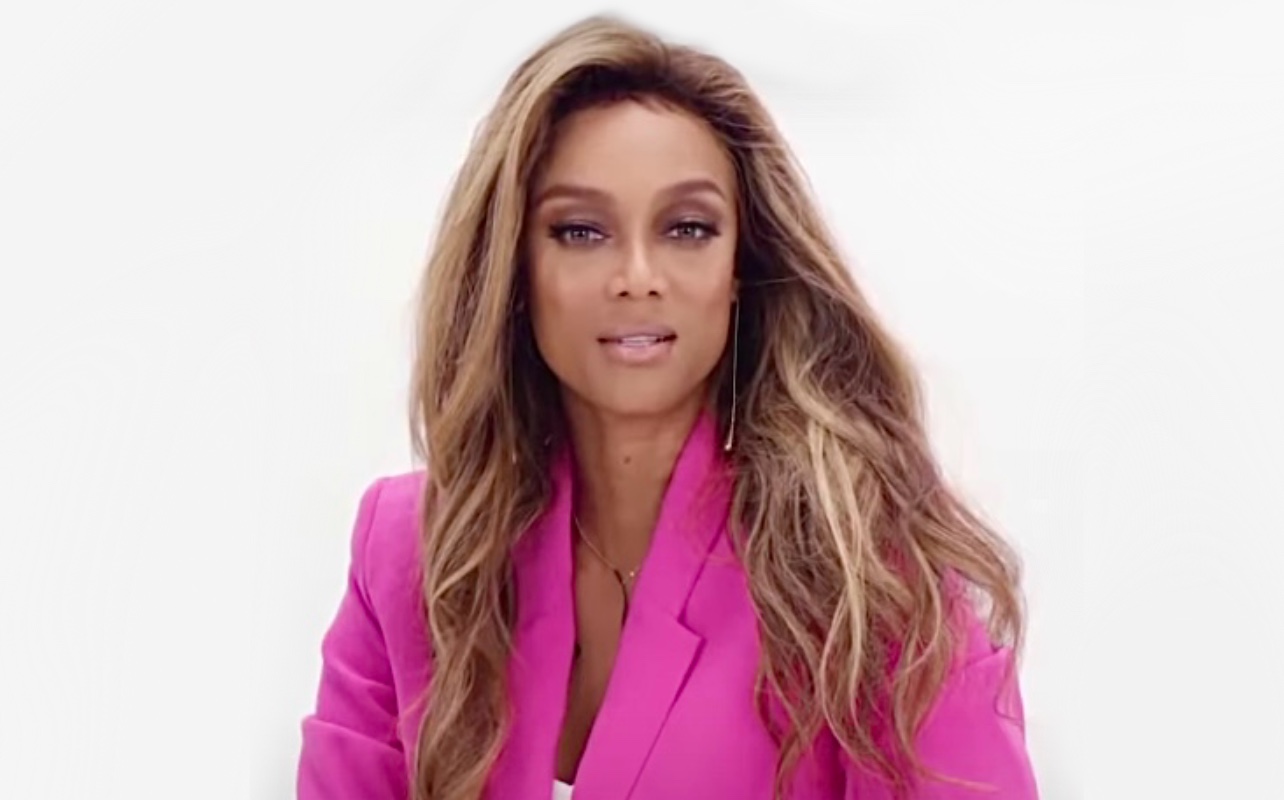
Tyra Banks: ‘I Said Some Dumb Sh*t’ On ‘America’s Next Top Model’
'But I refuse to have my legacy be about some stuff linked together on the internet when there were 24 cycles of changing the world.'
While hosting her hit model competition reality show America’s Next Top Model, Tyra Banks didn’t get right all the time. In fact, she said “some dumb sh*t.”
From creating the legendary show to blazing trails in the world of modeling and fashion, Banks’s 30-plus years as a supermodel and entrepreneur earned her the first-ever Luminary Spotlight Award at Essence Black Women in Hollywood.
During her acceptance speech, Banks admitted her shortcomings while hosting the 24 seasons of the show, according toPage Six.
“Did we get it right? Hell, no. I said some dumb sh*t. But I refuse to have my legacy be about some stuff linked together on the internet when there were 24 cycles of changing the world,” she said.
Banks made sure to first cite the legacy and influence of the show and the opportunities it provided to models from diverse backgrounds.
“And you guys have no idea how hard we fought to bring the diversity to that television show at a time when it didn’t exist, to show different beauties at a time when the world was like, ‘What? You casting that?’” she shared.
“A time when people in the fashion industry were telling me, ‘You putting the girls from the hood on your show?’ I was like, ‘Why can the girl from the trailer park become a supermodel, but the girl that’s chilin’ in the park in the hood can’t?’ And we fought, and we struggled, and we made it happen.”
America’s Next Top Model premiered on UPN in May 2003 and ran for 24 seasons across various networks until 2018. It is currently available for streaming on platforms like Netflix and Hulu.
The show is credited with helping to launch the careers of model/actresses such as Eva Marcille, Yaya DaCosta, and model Tocarra Jones.
“And I am so excited that I, and so many of us, have opened that door for others to follow,” she said in her speech. “And now my 51-year-old, dimpled, cellulite-covered bigger tummy and 10 million times bigger t*tt*es is walking through that door that I opened with all of us behind us on that runway saying, ‘Baby, it’s just the beginning.’”
Wendy Williams On Life in Assisted Living Facility: ‘I Don’t Have the Freedom to Do Virtually Anything’
Wendy Williams spoke to NewsNation for only five minutes but said a lot.
Wendy Williams continues to speak out against her conservatorship and the conditions at her assisted living facility. The former talk show host recently spoke candidly during a five-minute phone interview on NewsNation’s Banfield, discussing the control she faces while living in her facility bedroom.
“Well, I don’t have the freedom to do virtually anything,” said Williams on Feb. 27, who declared the facility’s gym as a reprieve. However, she is not pleased with the conditions on the fifth-floor memory unit where she’s been for the last year.
“They call it ‘the memory unit,’ so it’s for people who don’t remember anything,” she explained. “So, and I’ve met the people who live here, and I’ve been here for almost a year now, and it’s, this is very suffocating.”
The former Wendy Williams Show host explained that residents in the memory unit require various “pills” or other forms of medication. She shared that they need help taking a shower and struggle with basic tasks like brushing teeth.
“It’s the memory unit, you know what I mean? Why am I here?” she said. “I have no idea, but I can tell you that it’s $18,000 a month, which is extremely expensive. And what do I have? I have a bedroom and a bathroom and a window.”
The New Jersey native has been in the assisted living facility for the last three years. “I’m ready to get out of here. I’m ready to get out of the Guardian,” Williams said. She called “suffocating” and “very lonely.”
During her January appearance on The Breakfast Club, Williams declared that “I am not cognitively impaired, but I feel like I am in prison.” She is also will to undergoing testing to debunk reports of her cognitive decline.
“I’m accused of having frontal temporal dementia,” she told Banfield. “They accuse me of being incapacitated. So I would imagine that the best way to prove that I am not, you know, is, to talk with people.”
OPINION: Tariffs Are Squeezing Black-Owned Businesses—Here’s How We Fix It
For Black-owned businesses, these effects are even more pronounced.
By Quinting Lacewell
I’ve spent years working at the intersection of government and business, helping cities and companies navigate economic policies that shape our communities. From major corporations to small businesses on Main Street, I’ve seen firsthand how trade policies—especially tariffs—can ripple through industries, affecting everything from supply chains to hiring decisions.
For Black-owned businesses, these effects are even more pronounced. Many already face systemic barriers to accessing capital, securing government contracts, and building the supplier relationships that fuel growth. When tariffs disrupt the market, the playing field tilts even further against them.
Higher Costs, Tougher Decisions
Tariffs drive up the cost of imported goods, and those increases don’t just disappear—they get passed down. For Black-owned businesses that rely on imported materials, this means higher prices, shrinking profit margins, and difficult decisions about whether to absorb costs or pass them on to customers.
Take a Black-owned construction firm bidding on a local development project. If tariffs increase the price of imported steel and lumber, their costs go up—while larger competitors with deeper pockets can buy in bulk or shift to alternative suppliers. In an industry where profit margins are already thin, these added expenses make it harder to compete, win contracts, and expand.
To combat these challenges, cities should adopt best practices like those outlined in workforce development initiatives, including supplier diversity programs that help small businesses access more competitive pricing by connecting them with local manufacturers and alternative suppliers.
Supply Chain Disruptions Hit Small Businesses Harder
Imagine a Black-owned apparel brand that sources fabrics from abroad. A sudden tariff hike means higher prices, delays at ports, and the possibility of losing seasonal inventory before it even arrives. Large retailers can adjust by negotiating supplier discounts or shifting production, but smaller businesses often don’t have that flexibility.
One solution is municipal small business advisory councils, like those in Birmingham and Kansas City, which create a direct line of communication between policymakers and small business owners. These councils can help cities design trade-related policies that mitigate supply chain disruptions for small businesses.
Global Markets Close Their Doors
Many Black-owned businesses are looking to expand beyond U.S. borders, tapping into international markets to scale up. But when tariffs trigger retaliatory measures from other countries, these opportunities shrink.
Consider a Black-owned food and beverage company trying to break into European markets. If European countries impose tariffs in response to U.S. policies, American products become more expensive overseas. A multinational corporation can weather this by diversifying sales, but for a small business counting on international growth, the impact can be crippling.
Cities should prioritize export assistance programs that help small businesses navigate international trade barriers. The City of Phoenix’s PHXbizConnect platform, for example, provides on-demand business resources, expert insights, and networking opportunities that could be adapted to help Black-owned businesses access global markets.
The Capital Crunch
Economic uncertainty caused by tariffs also tightens access to capital. When market instability increases, banks and investors become more risk-averse. Black entrepreneurs, who already face higher rejection rates for business loans, find it even harder to secure funding when financial institutions hesitate to lend.
Think about a Black-owned tech startup seeking investment to scale production. If tariffs cause fluctuations in component prices, investors may see the business as a riskier bet, delaying funding or offering unfavorable terms. Without capital, that company struggles to expand, innovate, or hire.
A proven best practice is small business connector programs, like those in North Las Vegas and Fort Worth, which provide direct access to capital, business counseling, and workforce development support. Expanding these programs would help Black-owned businesses secure funding despite economic uncertainty.
Policy Solutions That Work
Tariffs alone won’t make or break the economy, but when their impact disproportionately harms small and Black-owned businesses, it’s a problem that requires solutions. Here’s what policymakers should do:
1. Expand access to capital—Strengthen loan programs, grants, and public-private partnerships to ensure Black entrepreneurs can weather economic fluctuations. Cities like Fort Worth have created one-stop business hubs to help connect entrepreneurs with funding and resources.
2. Support supply chain resilience—Invest in local manufacturing and supplier diversity initiatives to reduce reliance on unstable international markets. Economic Pulse Surveys, like those in El Paso, provide real-time data on workforce trends, helping cities tailor business support programs.
3. Provide targeted relief—Tax incentives or tariff exemptions should be explored for small businesses hit hardest by supply chain disruptions. Strategic small business task forces, like those in Kansas City, can advocate for these policies and help implement relief measures.
4. Improve workforce development—Upskilling programs, such as Albuquerque’s Job Training Initiative, can help small businesses hire and retain workers despite economic downturns. Investing in similar programs will strengthen Black-owned businesses facing rising costs.
5. Enhance business navigation support—Programs like Tampa’s Small Business Navigator ensure that entrepreneurs have the tools and guidance they need to adapt to shifting economic conditions, including tariff-related disruptions.
A Smarter Approach to Trade Policy
Tariffs aren’t inherently bad, but their unintended consequences can be devastating for small and Black-owned businesses. If we want to build a more inclusive economy, policymakers must go beyond trade wars and focus on strengthening local business ecosystems.
By investing in capital access, supply chain resilience, and workforce development, we can ensure that Black entrepreneurs not only survive—but thrive.
About the author
(Photo courtesy of Quinting Lacewell)
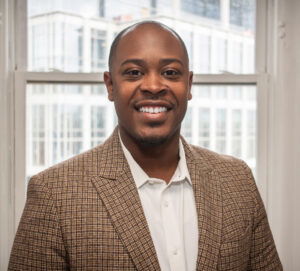
Quinting Lacewell, co-chair of the Business Council for the U.S. Mayor Conference, is a policy strategist and economic development advocate with extensive experience at the intersection of government and business. He has worked with cities, small businesses, and major corporations to navigate complex economic policies, strengthen local economies, and promote equitable growth. Passionate about expanding opportunities for Black entrepreneurs, Lacewell focuses on policy solutions that drive capital access, workforce development, and sustainable business ecosystems.
Tabitha Brown To Uplift Small Businesses As Clover’s First Chief Empowerment Officer
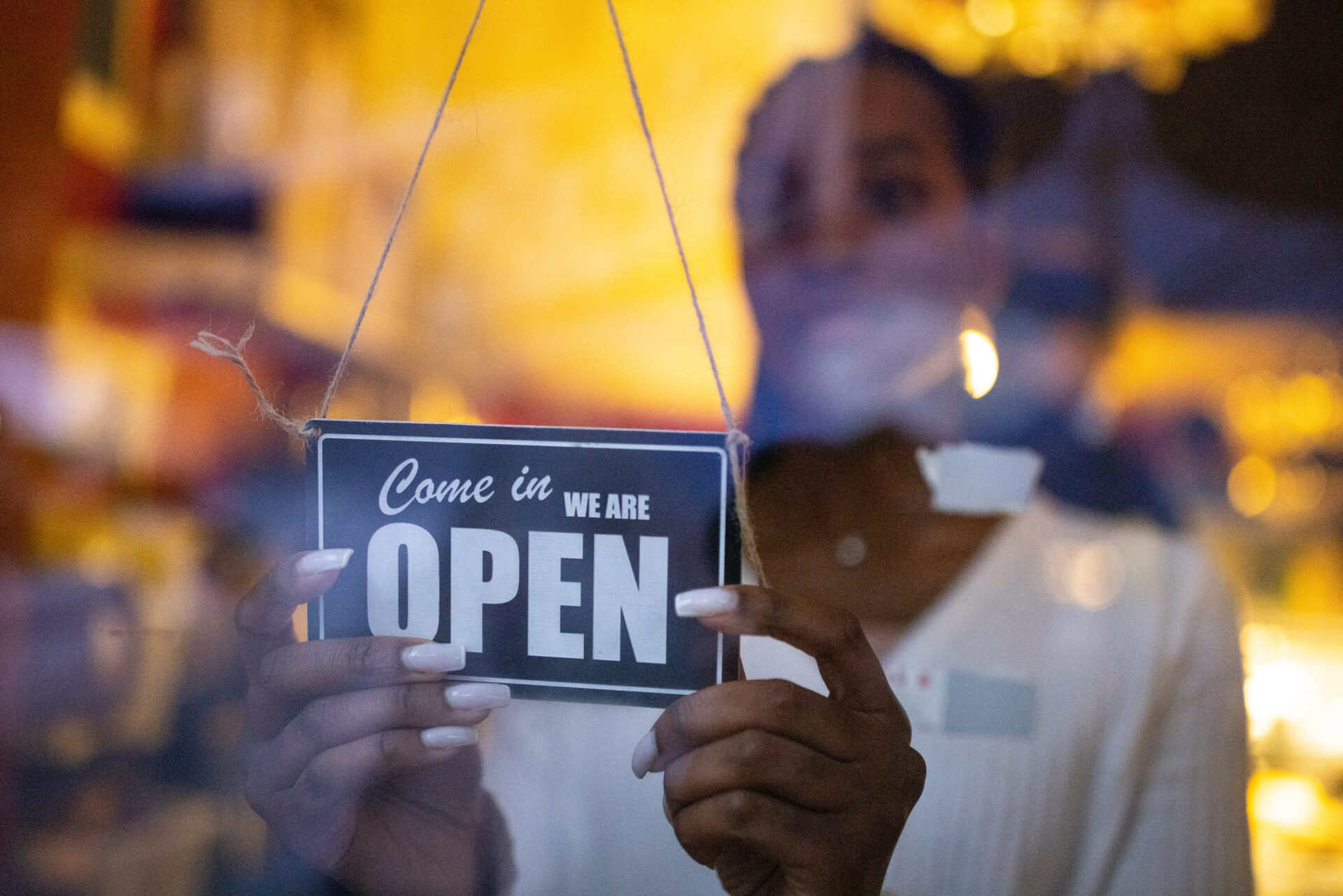
Tabitha Brown will advocate for the vital role of small businesses as Clover's first CEO—chief empowerment officer.
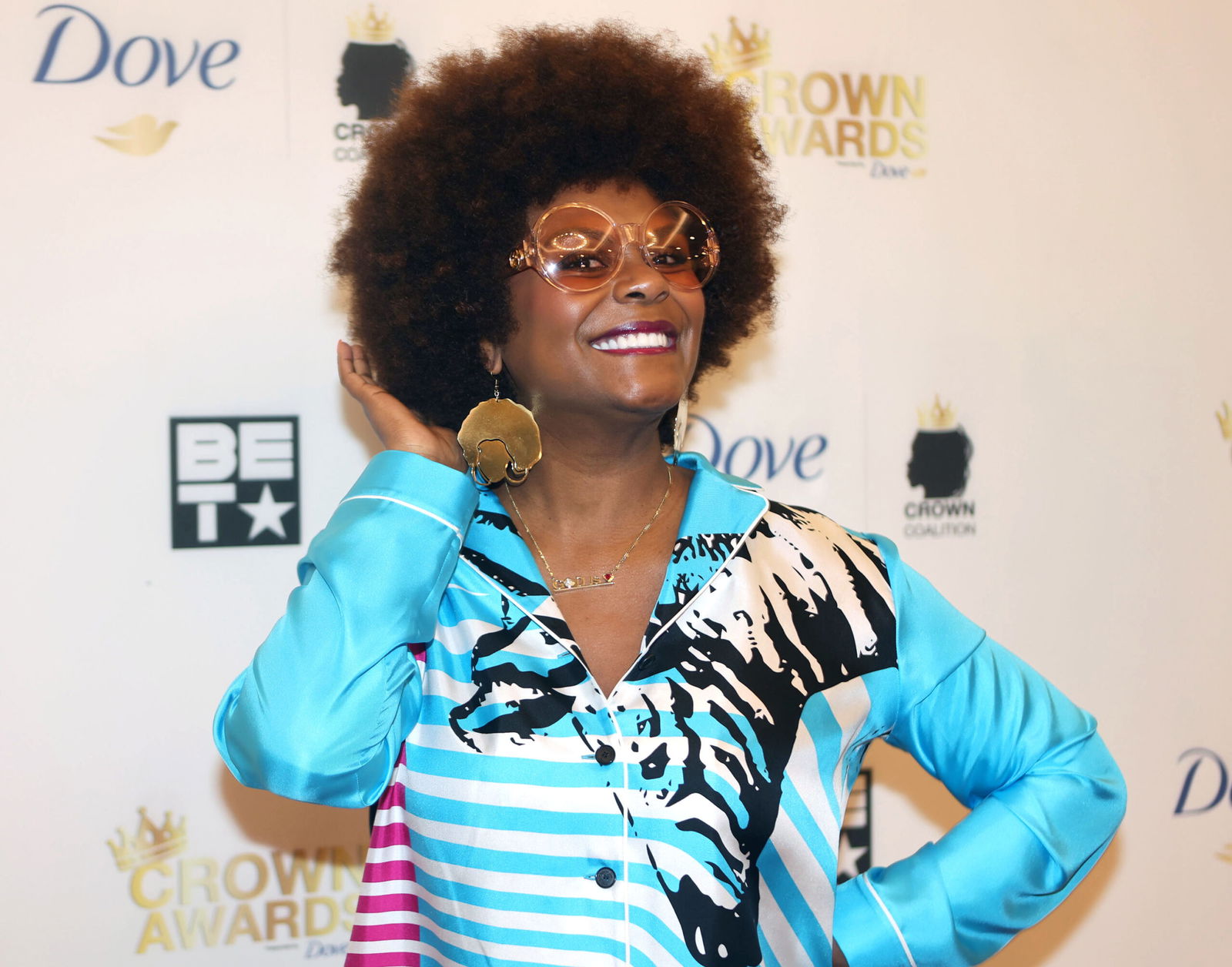
Tabitha Brown’s gift for inspiring others with her uplifting messages and affirmations has led to her becoming Clover’s first-ever chief empower officer.
The all-in-one point-of-sale solutions company has named Brown as its newest partner, aligning with its mission to provide small businesses with the access, support, and inspiration they need to succeed.
As Chief Empowerment Officer, the Emmy-winning actress, TV personality, and entrepreneur will leverage her signature blend of motivation, perseverance, and boundless energy to support small businesses and help combat the 50% failure rate within their first five years.
“Small businesses are my passion. The equity in helping them is the joy you bring to someone’s household and community,” Brown said in a press release. “My goal is to always uplift and empower small businesses and encourage others to do the same in their communities. I’m overjoyed to work with Clover to do my part.”
Brown has used social media to share candid insights into her journey from small business owner to acclaimed host, actress, and entrepreneur with major retail partnerships. With Clover, the kitchenware connoisseur will amplify the voices of small business owners, advocate on their behalf, foster meaningful connections, and create life-changing opportunities.
“Ok Small Businesses get ready for some amazing announcements thru out the year!” Brown wrote in an Instagram announcement.
She will also serve as a bridge between Clover’s leadership team and the communities it serves while encouraging the company’s global team and efforts to champion small business growth.
“Tabitha brings an invaluable perspective on the lived experiences of small business owners, understanding their struggles and giving voice to their dreams and ambitions in a way that only few can,” said Shannon Watkins, chief brand, marketing & communications officer, Fiserv. “We’re honored to help bring her wisdom and authenticity to small businesses across the globe. Because, when we lift small businesses, we lift communities and can change the world.”
Through this partnership, Clover and Tabitha Brown aim to harness commerce as a force for good, equipping entrepreneurs with the tools and support they need to create meaningful impact.
Morgan State Wrestling On Rise Under Olympic Gold Medalist Kenny Monday
The program has doubled its win total in two years since Monday took over the resurrected wrestling program.
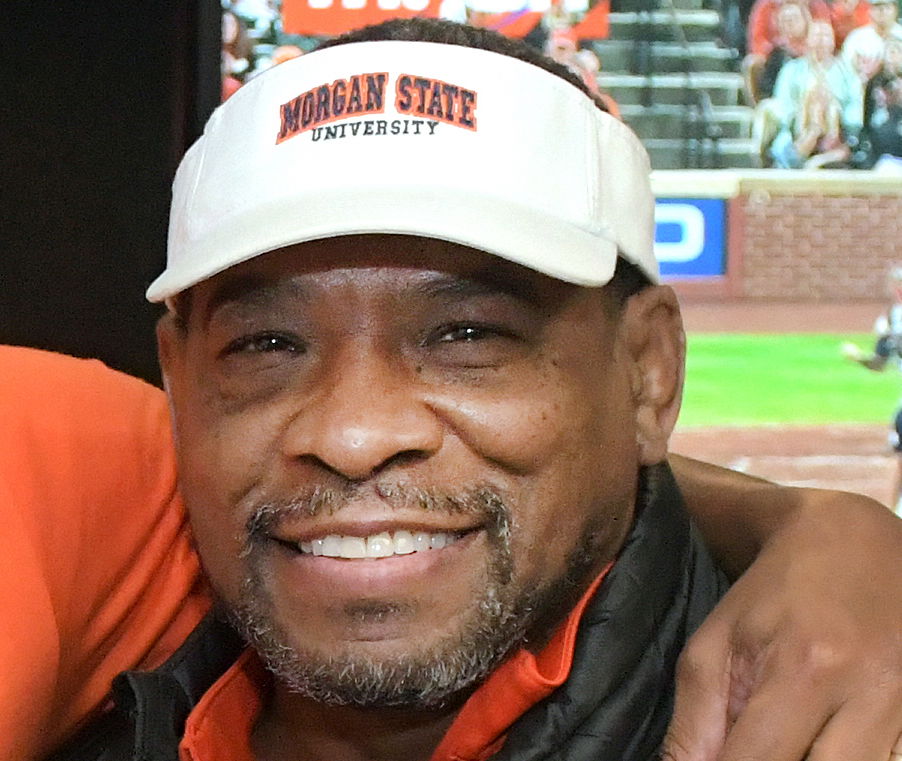
Nearly three years ago, Morgan State University announced Olympic gold medal-winning wrestling champion Kenny Monday as its new men’s wrestling coach—and the results have been promising.
According to WBAL TV, Monday was the first Black wrestler ever to win the gold medal when he took the prize at the 1988 Olympics in Seoul, South Korea. Four years later, he won a silver medal in Barcelona.
When Morgan State decided to resurrect its wrestling program, it made sense to offer Monday the coaching position.
“I got approached about it the first time. I was like, ‘I don’t know if I’m ready to be a head coach to D1 level,’ but then I did a deep dive and really thought about it, really did a soul search and kind of prayed about it,” Monday told the outlet. “I think it made sense for me to take this program on, and I think my legacy probably had a bigger impact on the program and getting kids to compete, so I just thought it was a godsend.”
With Monday’s leadership and direction, Morgan State recorded two wins in his first year as the wrestling coach. Now, after another year of leading, the university has five victories.
The second-year coach used former NFL player Deion “Coach Prime” Sanders as inspiration after seeing what he had done as an inexperienced college coach to revitalizing programs at Jackson State University and now the University of Colorado Boulder.
“Looking at the success of Deion, and I’ve met him a few times, and just kind of seeing what he brought to the college, the HBCU, and the world. So, I draw from that, from his success, and I look at it like read some of the things he says, and he’s a winner. Above all else, Coach Prime is a winner. He has won all of his life, kind of like me. So, I can relate to his story a little bit. Being a world champion, I can relate to his story and being able to share that knowledge with young African American kids is really, really impactful.”
Paul Tazewell Makes History As First Black Man To Win Oscar For Best Costume Design
Paul Tazewell's historic win capped off a dominant run of awards.
The costume designer behind the hit musical film Wicked is the first Black man to win an Academy Award for Best Costume Design. Paul Tazewell, 60, brought the crowd to its feet in applause as he pointed out the historical milestone, according toThe Hollywood Reporter.
“This is absolutely astounding. Thank you, Academy, for this very significant honor,” Tazewell said in his speech. “I’m the first Black man to receive the costume design award for my work on Wicked. I’m so proud of this.”
“Thank you, everyone, in the U.K. for all of your beautiful work; I could not have done this without you,” he added after thanking his family. “My Ozian muses, Cynthia [Erivo] and Ariana [Grande], I love you so much—all the other cast, thank you, thank you, thank you, for trusting me with bringing your characters to life. This is everything. Director Jon M. Chu and producer [Marc Platt], thank you.”
Tazewell’s win follows Ruth E. Carter’s becoming the first Black person to 2018 Oscar win for Best Costume Design for Black Panther and in 2022 for Black Panther: Wakanda Forever. Tazewell beat Arianne Phillips for A Complete Unknown, Janty Yates and David Crossman for Gladiator II, Lisy Christl for Conclave, and Linda Muir for Nosforatu.
Tazewell’s historic win capped off a dominant awards season where he also won costume design honors at the Critics Choice Awards, Costume Designers Guild Awards, British Academy Film Awards, and the BAFTAs.
The New York University Tisch School of the Arts alumnus had his hands full on the Wicked set, crafting exquisite costumes for lead characters Glinda and Elphaba, along with more than 1,000 pieces spanning both Wicked and its upcoming sequel, Wicked: Part Two.
Speaking with KABC earlier this month, Tazewell said his recognition from the Academy was “everything.”
“It really does mean the world to have that acknowledgment, to have that approval by so many greats that are, you know, our in our industry, it just means the world,” Tazewell said. “I want to touch hearts, want to change lives, I want to make a difference, and my power, my medium in doing that, is costume design, and I’m passionate about it. I hold to that, and I know that I’m good at doing that, and that makes me feel good.”
40-Year-Old Retiree With $3.6M In Savings Says 3 Books Changed His Life
Robinson was able to retire in Dubai at age 40 after amassing a $3.6 million net worth.
Jamal Robinson is not your typical retiree. The 40-year-old has amassed a $3.6 million net worth.
Last year, Robinson decided to settle down in Dubai after leaving his job as a tech executive in generative AI. He told CNBC’s Make Itabout how he got to quit decades before hitting one’s typical retirement age. His millions remain spread out across savings, investments, and cash on-hand. Now, Robinson lives a debt-free lifestyle that he built on his own terms.
Three books, he said, changed his mindset to reach this goal. First, The Millionaire Next Door by Thomas Stanley, educated him about money management at an early age.
The book taught him that having money should not equate to reckless spending and that millionaires often keep their cash tight. That resolve led Robinson to save up to 90% of his earnings.
Die With Zero by Bill Perkins is helping Robinson heal his own relationship with money. While still viewing himself as a “minimum wage guy” despite his million-dollar net worth, this book has allowed Robinson to open his checkbook for something more meaningful.
His goals include only using 5% of his investment portfolio, totally to $185,000 a year. With these funds, he hopes to travel more and spend on things that further his wellness.
The last book that inspired his money mindset is The Psychology of Money by Morgan Housel. It remains his top recommendation for anyone on a financial journey. Housel’s collection of short stories details how psychology influences people’s money habits.
Besides those three books, Robinson encourages people to havin more open conversations about finances to gain new perspectives.
“I would just always ask [financial] questions, and be really deliberate and take advantage of the opportunity of the minds that I had around me that had accomplished more and had been older,” he said.
Alabama’s Phillip Brown Makes History After Elected As 1st Black Chairman Of Jefferson County Republican Party
Brown said the appointment is a “long time coming” after serving for more than 10 years as the Alabama Minority GOP chairman.
ABC 33 40 News reports that the Republican Party of Jefferson County, Alabama, made Phillip Brown a part of history after electing him the first Black chairman.
During his acceptance speech, Brown, who served as the chairman of the Alabama Minority GOP for more than 10 years, said the appointment is a “long time coming” as he expressed optimism about the party’s future and what he would like to do as a leader. “It’s been a long time coming for this milestone in the party’s history. Jefferson County has a tremendous… Black community, and so, this really is a great opportunity for us as the Republican Party to be able to reach out to the Black community,” he said.
“I think a lot of the values and the policies that we support actually is something that not only supports the Black community but also is just good for human beings in general.”
As a leader in his community, Brown called out his party’s shortcomings compared to the Democratic Party, pressing for his colleagues to stand on its policies to make a difference. “The biggest shortcoming that we as a party have had is that we have failed to actively reach out to the Black community and counteract the message that the Democratic Party has labeled us with—the party of old white men,” the retired high school teacher said.
“If we engage people based on what we stand for and our policies, I think it makes a difference; we just got to do it.”
However, his thought process paints a seemingly different picture. In a state where President Donald Trump beat out former Vice President Kamala Harris by a landslide — receiving 64.8% of the vote to Harris’ 34.2% — according to the Birmingham Times, Brown said he wasn’t “surprised” and blamed it on blue party policies that allegedly damaged the Black community. “Our communities, our cities, and our schools are still in disarray after 75 years of supporting Democrats across the board,” he said.
“I think you’re overlooking the fact that there are some people in the Black community who are not just upset anymore—they’re angry.”
He went further into a theory as to why Trump secured some of the Black vote, blaming it on Harris’ record as a California prosecutor. Brown said she locked up “more Black folks than you can imagine,” which isn’t true, as a report from Mercury News found only 45 out of 1,956 marijuana convictions resulted in a state prison sentence.
Despite false rhetoric, Alabama Republican Party Chairman John Wahl praised Brown’s work within the conservative party, saying he is excited to see where things go in Jefferson County. “Phillip Brown’s election is a historic moment for the Jefferson County Republican Party, and it is well deserved. He is one of the hardest-working Republican leaders in our state, and I have no doubt he will bring fresh energy and determination to this role,” Wahl said.
“I look forward to working with him as we continue to advance Republican principles in Jefferson County.”