Rick Ross Advises Young Boys To Pursue Blue- Collar Work
The rapper suggests young boys take up an occupation that will pay them some real money
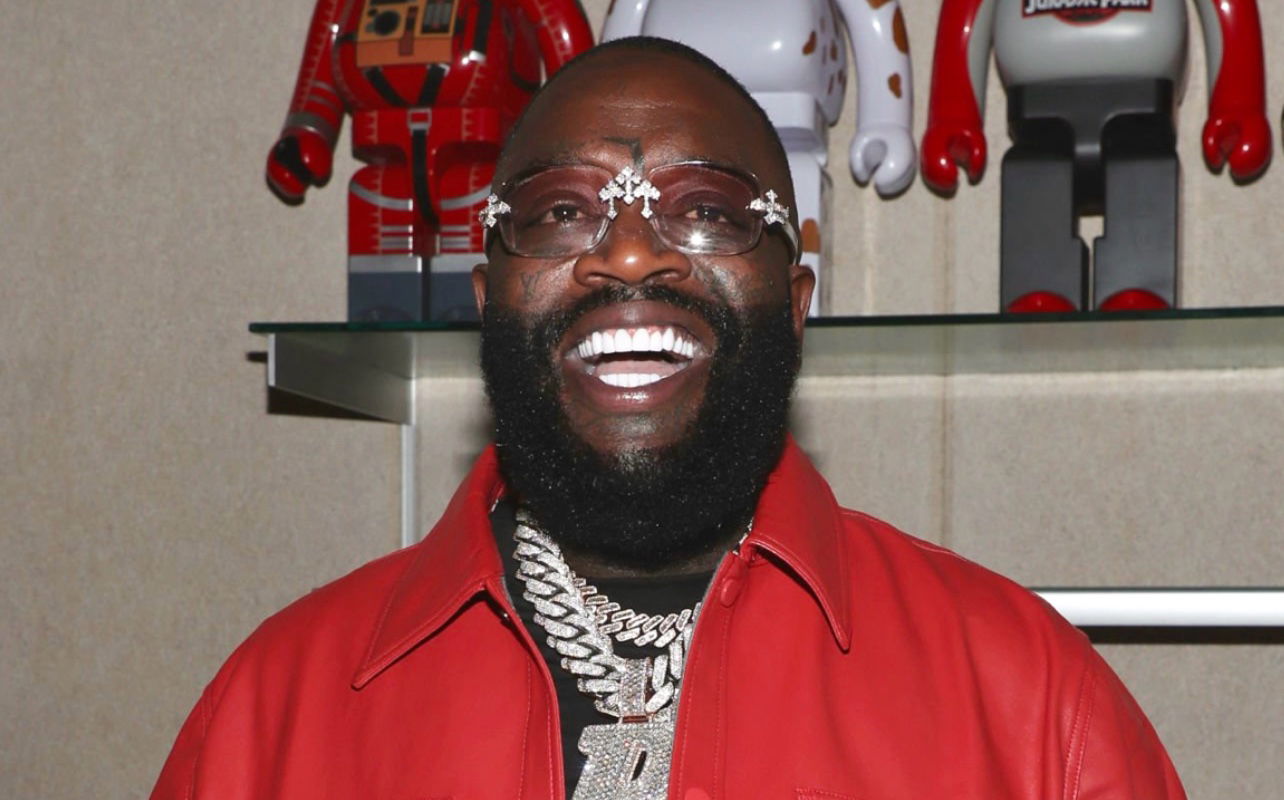
Miami entrepreneur and rapper Rick Ross took time off from beefing with 50 Cent to give an uplifting message to young Black boys to steer them in the right direction for their careers.
During a recent video clip posted online and reposted by The Shade Room, the “God Did” rapper suggested that some of the young men out here should invest in blue-collar occupations since they are paying and not enough Black people are working in this field where there are millions of dollars to be made. He starts his speech by asking how many people shouted “Free Lil Durk” at the recent Rolling Loud California from March 15-16.
As he points out, whenever a rapper is accused of a crime and is in jail, it seems as if the hip-hop audience goes all out and publicly says, “Free so-and-so.” Lil Durk was arrested after being accused of ordering a hit on someone who may have been involved in the killing of his friend, King Von. He encourages young Black boys to pursue a career instead of resorting to the streets in his message.
He tells young men to pursue a career in construction, plumbing, roofing, electrical work, etc.
“Alright now, for y’all young hustlers. Y’all got to learn how to do roofing, y’all got to learn how to lay marble floors, you got to learn how to do the plumbing. This is a multiple-million-dollar game. Multiple, million-dollar game. I’m walking up on this real estate sites, I see very few brothers that’s on the roofs, that’s doing the plumbing, that’s doing the drywall, that’s doing the electricity, it’s a lot of money in that.”
He then ends the clip by asking again, “How many people say free Lil Durk at Rolling Loud? Exactly.”
Judge Orders Trump Administration To Reinstate Education Grants Axed Over DEI
The Trump administration has faced another legal blow following several controversial policies, including mass firings and Trump’s executive order to eliminate diversity, equity, and inclusion (DEI) initiatives. A federal judge ordered the administration to reinstate education grants that were axed over Trump's executive orders on DEI.
U.S. District Judge Julie Rubin has ordered the Trump administration to reinstate some of the education temporary grants it eliminated to comply with Trump’s anti-DEI executive order. According to CNBC, Judge Rubin said terminating these grants is likely “to be proven arbitrary and capricious, because the Department’s action was unreasonable, not reasonably explained, based on factors Congress had not intended the Department to consider,” and were “otherwise not in accordance with the law.”
Rubin said ending the educational grants could have a “grave effect on the public,” including “fewer teachers for students in high-need neighborhoods.”
Plaintiffs Argue Education Grants Are Congressionally Approved
The latest move from the Trump administration is being challenged in court. Recently, a judge ordered the administration to rehire the thousands of federal employees who were fired in what the administration has called a “cost-saving” effort.
Meanwhile, the American Association of Colleges for Teacher Education, the National Center for Teacher Residencies, and the Maryland Association of Colleges for Teachers Education reportedly filed a lawsuit earlier this month against the U.S. Department of Education and President Donald Trump for eliminating over 100 education preparation grants.
The plaintiffs argue that the grants were funded under Congressionally appropriated programs.
While the reinstatement is only temporary, education leaders say the ruling is significant.
“At a time when we as a nation are enduring local teacher shortages, especially in critical areas of need, we must not fall short in supporting the preparation of teachers,” Kathlene Campbell, the CEO of the National Center for Teacher Residencies, told CNBC in a statement. “That’s why this ruling is paramount in supporting current and future teachers of the education field.”
Firefighter Arrested For Obstruction After Taking Pics Of Twin Brothers Killed On Georgia Mountain
Authorities say Scott Kerlin, a volunteer firefighter, shared images of the crime scene.
A volunteer firefighter has been arrested for taking photos of the teenaged twin brothers found dead on a Georgia mountain.
Scott Kerlin of Hiawassee, Georgia, received a charge for misdemeanor obstruction. According to Fox 5, Kerlin disrupted the Georgia Bureau of Investigation’s case into the teenagers’ deaths by sharing photos of the crime scene. Authorities did not say where Kerlin shared the photos.
Qaadir Malik Lewis and Naazir Rahim Lewis, 19, were found dead March 8 on top of Bell Mountain in Hiawassee. Both men appeared to have gunshot wounds.
In the midst of the GBI’s investigation, Kerlin shared photos of the slain young men. He was detained at Towns County Detention Center, where he was later bailed out. The county has removed him from the fire department.
While the GBI initially considered the Lewis’ deaths a murder-suicide, their family has pushed back against this conclusion. Although a medical examiner had completed the autopsies, the official ruling awaits more forensic tests.
The brothers had flights scheduled for Boston a day before they were found by a hiker. The tickets were still in their wallets. These discrepancies have led the family to believe foul play may be involved.
Their loved ones remain adamant that the young men did not die via murder-suicide. Moreover, they asserted that the two boys never visited the Bell Mountain area, located two-and-a-half hours from their residence in Lawrenceville.
“They don’t know anything about Hiawassee, Georgia. They never even heard of Bell Mountain. So how did they end up right there?” the twins’ aunt, Samira Brawner, said.
Brawner has launched a GoFundMe to handle funeral expenses, emphasizing her disbelief in the original claims surrounding the twins’ death. More than $34,000 has been raised as of Wednesday, March 19.
Caribbean Outrage Erupts As Trump’s U.S. Travel Ban Threatens Families And Diplomacy
Caribbean leaders denounced a proposed U.S. travel ban that could block entry for nationals from several nations, including high-ranking officials. The policy, reportedly crafted by Trump adviser Stephen Miller, has sparked outrage across the region, with leaders accusing the administration of unilateral action and sowing unnecessary chaos.
The three-tiered travel ban targets 43 nations, including Haiti, Dominica, Antigua and Barbuda, St. Kitts and Nevis, and St. Lucia. Some countries face outright restrictions, while others, like Haiti, would require waivers for their citizens to enter the United States.
Uncertainty and Tensions Escalate
Despite the policy’s far-reaching implications, many Caribbean governments say they have received no formal communication from the U.S.
Dominica’s Prime Minister Roosevelt Skerrit, whose nation is reportedly on the third tier of the ban, voiced his frustration at a press conference, “We remain transparent in our dealings and ready to address any concerns the U.S. may have. But as of now, we are in the dark.”
Caribbean nationals with valid visas are also worried, fearing they may be unable to visit family in the U.S.
Cuban Medical Missions at the Center of Controversy
The proposed restrictions coincide with U.S. efforts to dismantle Cuba’s overseas medical missions. The Trump administration accuses Cuba of exploiting healthcare workers through forced labor, alleging they are subjected to coercive practices while abroad.
Secretary of State Marco Rubio explained the administration’s position in a recent statement, “Cuba continues to profit from the forced labor of its workers and the regime’s abusive and coercive labor practices are well documented. Cuba’s labor export programs, which include the medical missions, enrich the Cuban regime and, in the case of Cuba’s overseas medical missions, deprive ordinary Cubans of the medical care they desperately need in their home country.”
“The United States is committed to countering forced labor practices around the globe. To do so, we must promote accountability not just for Cuban officials responsible for these policies, but also those complicit in the exploitation and forced labor of Cuban workers,” Rubio concluded.
However, Caribbean leaders strongly dispute these claims, highlighting the invaluable role Cuban doctors played during the pandemic. Barbados Prime Minister, Mia Mottley, rebuked the accusations, declaring, “Without Cuban doctors and nurses, we could not have navigated the pandemic. If defending them costs me my U.S. visa, then so be it.”
The Bahamas Prime Minister, Philip Davis, added that his government conducts thorough vetting before employing Cuban healthcare workers.
Citizenship by Investment Programs Under Scrutiny
The proposed ban also threatens Citizenship by Investment Programs (CBIPs) operated by some Caribbean nations. These programs allow foreign nationals to purchase citizenship for financial investment, granting them visa-free access to numerous countries.
Critics, including U.S. officials, have raised concerns about the lack of transparency in these programs, and their diplomatic notes to the U.S. State Department, Antigua and Barbuda and St. Kitts and Nevis emphasized their rigorous vetting procedures.
Antigua’s Prime Minister, Gaston Browne, stated, “All applications are rigorously vetted by recognized international agencies, including INTERPOL, to ensure that no applicants with a criminal background or current charges—including terrorism—are considered.”
St. Kitts officials noted ongoing dialogue with U.S. authorities and outlined efforts to reform their program.
Broader Implications for U.S.-Caribbean Relations
The proposed travel ban is the latest in a series of contentious U.S. policies impacting the region. Previous actions include threats to deport Caribbean nationals, aid freezes, and the U.S. withdrawal from the Paris Climate Accord.
Some leaders see the travel restrictions as leverage for negotiations on deportations and CBIP compliance. Others, like Barbados’ Mottley, view the move as a direct attack on their sovereignty.
“We will not shout across the seas, but we will protect what matters most—our principles and our people,” Mottley declared during a parliamentary speech.
Despite the uncertainty, Caribbean leaders remain resolute in defending their nations’ policies and partnerships. CARICOM, the 15-member Caribbean trade bloc, has been engaging with U.S. officials to address the concerns.
Guyana’s President, Mohamed Irfaan Ali, and other leaders have contacted the U.S. to seek clarification and find common ground.
As the Caribbean grapples with the proposed travel ban, its leaders face the challenge of balancing diplomacy and sovereignty. The outcome will shape not only U.S.-Caribbean relations but also the lives of thousands of nationals whose futures now hang in the balance.
Gilbert Arenas Got Paid 5 Years After Leaving Washington Wizards In 2011
The former player signed a contract worth $111 million in 2008.
Gil’s Arena podcast host and former NBA player Gilbert Arenas played for several teams before leaving the league after the 2011-2012 season. However, thanks to a contract he signed with the Washington Wizards, he continued getting a paycheck from the team until 2016. In an interview with Vlad TV, Arenas said he “earned every dollar of it.”
According to Moneywise, Arenas was cashing paychecks from the Wizards five years after his final game with the team. In 2008, he signed a 6-year, $111,000,000 contract, which made him one of the highest-paid NBA players. During his discussion with Vlad, he admitted to getting paid until 2016.
“So for five years, you got to just sit around on your couch,” Vlad told Arenas. “‘Cause you were like one of the highest-paid players that wasn’t actually even playing. That was wild!”
When Arenas signed the contract, he had just taken over the team after Michael Jordan retired for the third and final time in 2003. Pollin told Arenas, who made three All-Star teams during his tumultuous stay in D.C., that he helped the team stay relevant.
Arenas recalled the conversation he had with Pollin on an episode of his podcast, No Chill with Gilbert Arenas, with ESPN star Stephen A. Smith.
“I get the call from Abe Pollin. And he says, ‘Whatever you want, you did what you said you were gonna do. You got me out of my Jordan era, you turned this franchise around, and I owe you whatever you want,'” Arenas said.
Arenas played with the Golden State Warriors from 2001 to 2003 before joining the Wizards from 2003 until 2010. He also played with the Orlando Magic from 2010 to 2011 before joining the Memphis Grizzlies in 2012.
According to the Grammy-winning musician, entrepreneur, and investor, large concept models in the rapidly expanding world of artificial intelligence are poised to be the next big thing.
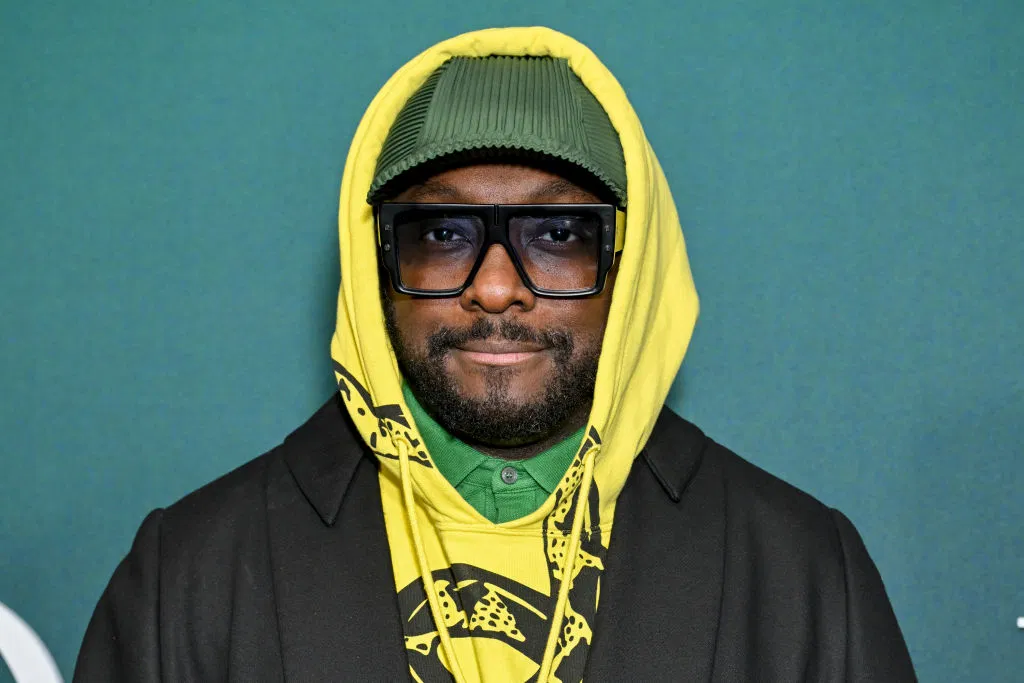
“I’m hunting for what they call large concept models,” Will.i.am toldFortune.
“Right now, we’re in large language models, but they’re not concepts. It’s just language—they’re just regurgitating our imagination and our concepts,” he explained.
Will.i.am, an early investor in OpenAI and the founder of FYI—an AI-driven productivity and communication platform for creatives—has been ahead of the AI boom. Now, he’s aiming to stay ahead by seeking out young tech talent specializing in large concept models.
“Around the corner, someone’s going to build large concept models. So you want to hunt for that,” Will.i.am explained. “You want to hunt for the people that are out there doing that. They’re students right now, they’re at MIT, they’re at Stanford. They’re young kids, and they’re native to this. So you want to hunt for that. That’s the only thing I’m focused on.”
The “Where Is The Love” rapper highlighted his “pretty cool” early investments, which helped him develop an eye for spotting the following big tech trends: His portfolio includes Tesla, Pinterest, Dropbox, OpenAI, and Anthropic.
“I invested in Tesla in 2006, before Elon [Musk] took over the company, and he’s done great, taking it to where it is. Hopefully, he can figure out a way to get it back to its glory,” he shared. “I invested in Twitter early on. When Jack [Dorsey] left, I sold it. Made good there.”
One investment, Will.i.am, now regrets missing out on is Airbnb. When approached to invest $200,000 in an early fundraising round, he didn’t see the vision then. However, he views the experience as a valuable lesson.
“When you travel and you have success, you get used to the best hotels, the best service, right? So sometimes, when you’re used to the best, and you’re used to being pampered by the best, that could cripple you because when new experiences come, like Airbnb, you’re gonna base it off of the best,” Will.i.am explained.
“You’re gonna say, hey, so you guys have concierge, and he’s gonna say, no. That ain’t gonna work. So you guys have room service? No. That ain’t gonna work. So I was tunnel vision and pampered by luxury.”
Mo’Nique Calls Out Tyler Perry After He Spoke At Angie Stone’s Funeral
Mo'Nique wrote an open letter to Tyler Perry critiquing his behavior.
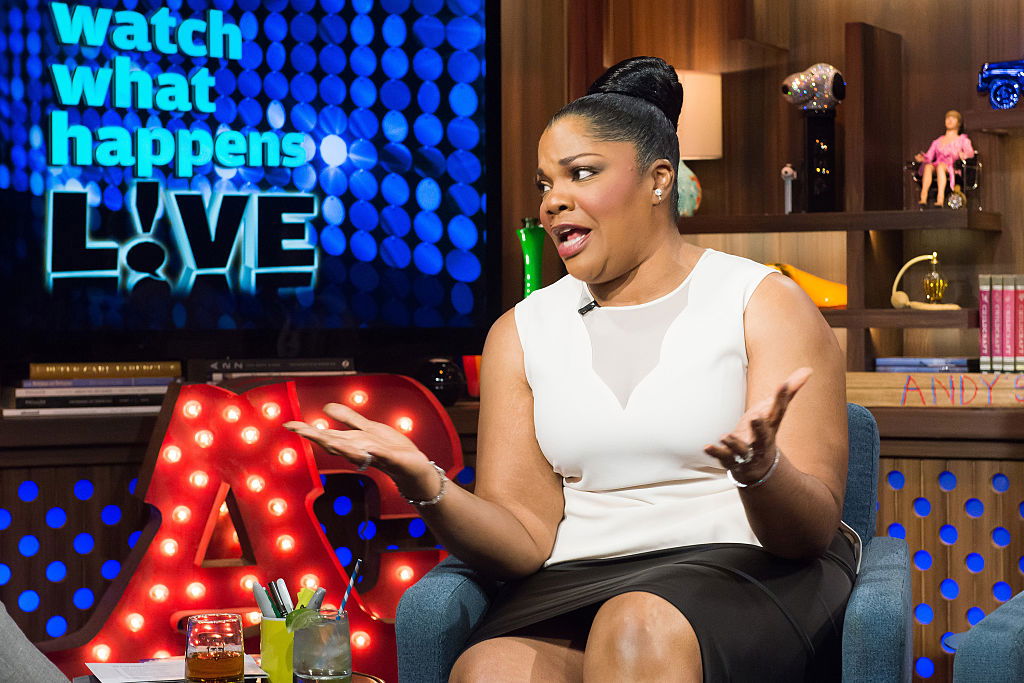
Comedian and Academy Award-winning actress Mo’Nique has written an open letter to filmmaker Tyler Perryaddressing longstanding grievances and calling for accountability.
The letter came after the recent funeral for legendary soul singer Angie Stone, a trailblazer in hip-hop, R&B, and soul music. Perry, who attended the service, publicly lamented how Stone had been underappreciated and poorly treated throughout her career.
Mo’Nique seized the moment to critique Perry’s remarks and actions. The actress highlighted what she alleged to be similar treatment she faced at his hands. In the letter, Mo’Nique directly addressed Perry and outlined four key points detailing how, in her view, her contributions to the entertainment industry have been critiqued by the owner of Tyler Perry Studios.
“You labeled me ‘difficult to work with’ despite never having worked with me,” she wrote.
The comedian called on Perry, famously known for his Madea character, to take responsibility for actions she believed aided in her being blackballed in the entertainment industry.
“You asked, ‘Where is the money she is owed?’ Mo’Nique wrote. “The false narrative you perpetuated helped blackball me and cost me tens of millions of dollars,” she continued.
The letter has sparked mixed reactions across social media, with some users supporting Mo’Nique’s candor and others criticizing the message and its timing. The Precious star has long been known for speaking out against inequality in Hollywood.
However, not all observers were sympathetic. An X user voiced frustration, writing, “At this point, Mo’Nique needs to see a therapist because turning someone’s funeral into a chance to say Tyler Perry owes you money is not something a functioning person would do.”
At this point MoNique needs to see a therapist because turning someone's funeral into a chance to say Tyler Perry owes you money is not something a functioning person would do.
Another supporter backed Mo’Nique, saying she has a valid argument and is challenging the Black Hollywood elite.
“Mo’Nique wasn’t wrong at all,” the person said. “Y’all will criticize and critique Tyler Perry’s work but won’t call out his actions. He stood at Angie Stone’s funeral preaching about the very things he’s done to Mo’Nique. Everything she said in her post was absolutely true.”
Monique wasn’t wrong at all. Y’all will criticize & critique Tyler Perry’s work but not his actions as a person. He stood up there at Angie Stones funeral preaching about the same things he’s done to Monique. Everything she said in her post was absolutely true.
Public reaction to Mo’Nique’s stance may vary, but the comedian has never shied away from speaking her mind. Polarizing at times, Mo’Nique has drawn criticism for her outspoken opposition to Black women wearing bonnets in public — a viewpoint some have dismissed as antiquated and rooted in respectability politics.
In addition to her recent address to Tyler Perry, Mo’Nique has also publicly confronted filmmaker Lee Daniels, accusing him of mistreatment and underpayment during their past collaborations.
Despite pushback from both the industry and the public, the Queen Of Comedy has consistently shown a willingness to challenge prominent figures and call out perceived injustices, regardless of the backlash.
Mayor Andre Dickens Extends Amnesty To Atlanta Traffic Violators
The amnesty program provides a waiver for traffic violators who failed to appear in court.
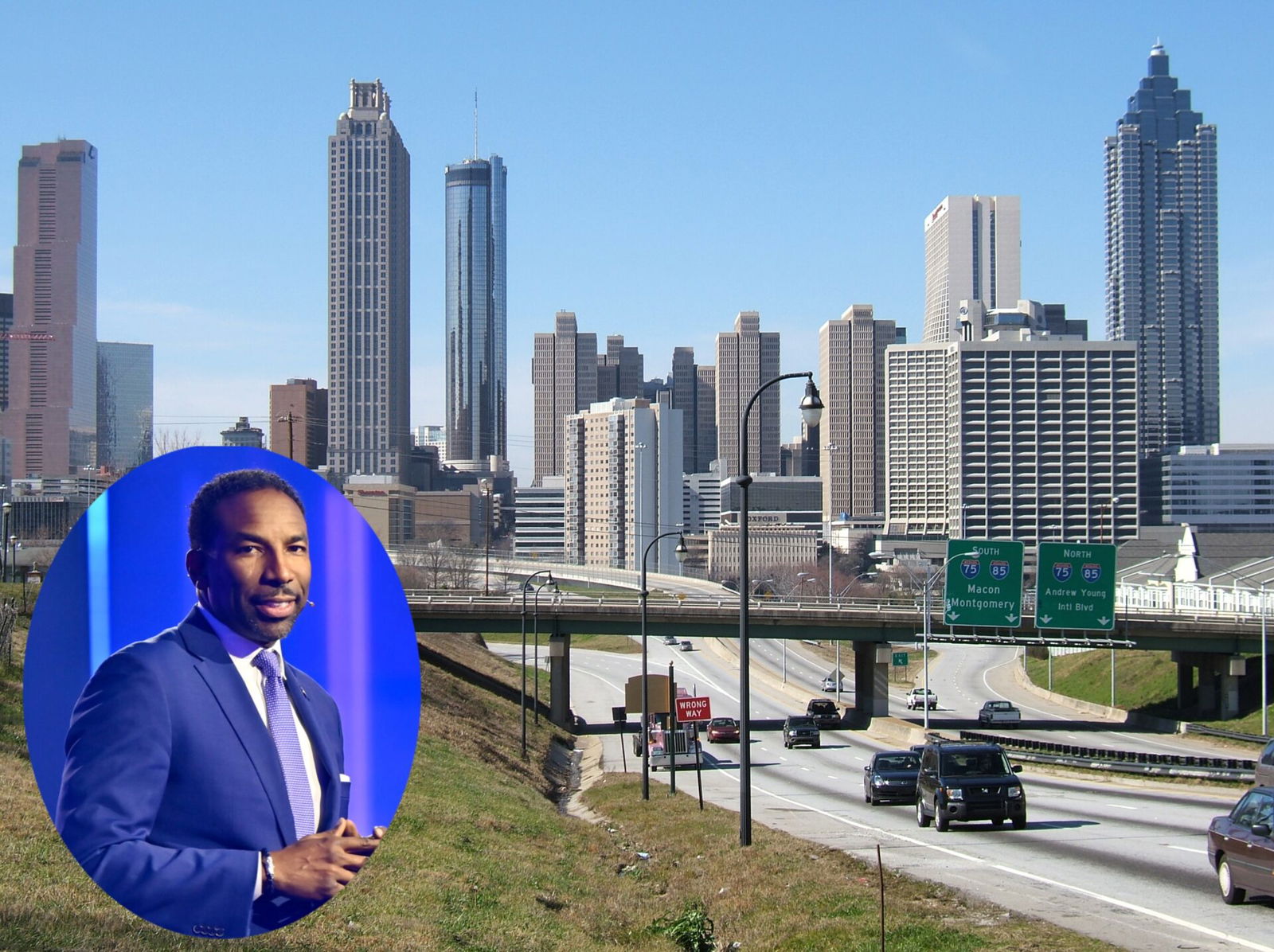
Mayor Andre Dickens is offering Atlanta drivers a fresh start by launching a new traffic amnesty program that aims to resolve outstanding violations without the threat of arrest.
The City of Atlanta posted the announcement on its X account. The initiative allows individuals who have received traffic citations in Atlanta and subsequently failed to appear in court to clear their cases. Eligible participants can resolve their outstanding tickets and related charges without facing arrest warrants.
According to the city, the program runs from March 17 through April 21. However, the amnesty applies exclusively to traffic-related offenses. Individuals charged with major or minor criminal offenses other than traffic violations will not qualify.
Atlanta residents and out-of-town motorists with eligible traffic offenses are encouraged to take advantage of the program. To qualify, citizens must have missed a scheduled court date for a traffic violation and have an active failure-to-appear arrest warrant related to that violation.
Extending the violators grace will help ease the financial burden of late payment, which carries a $100 fee. The fines for traffic violations must be paid in full for resolution. Dickens is extending court hours to give flexibility to working residents.
“This program helps clear arrest warrants for those who qualify, offering a fair and accessible path to resolution. Court hours have been extended to make it easier for [residents] to participate,” Dickens said in an X post.
Announcing the City of Atlanta Amnesty Program – Traffic Offenses Only
If you have a failure-to-appear warrant for a traffic violation, this is your chance to resolve your case without fear of arrest.
The announcement comes as Dickens recently declared his intention to seek reelection. The first-term mayor has highlighted his record of service to Atlanta’s most underserved populations, including seniors, youth, and low-income communities.
A native of Atlanta and a graduate of Georgia Tech, Dickens’ administration has prioritized affordable housing and support for seniors as well as expanded partnerships with major corporations to boost Atlanta’s digital infrastructure and economic development.
13-Year-Old Prodigy Manifests His Acceptance To Morehouse College
Upon learning that Dr. Martin Luther King attended Morehouse at age 15, Suddith decided to get in earlier.
Joshua Suddith, an academic prodigy from Georgia, got his dream gift for 13th birthday: acceptance to Morehouse College, a goal he set when he was 4 years old.
His mom, Chaundra, always knew he was destined for greater things. Despite complications during her pregnancy, including an in-utero surgery, the young boy entered the world with a fierce determination. According to Chaundra, her son could speak by 9 months and learned to read well before he turned 2.
“His grit and determination are the most impressive things about him,” shared Chaundra to 11 Alive. “He didn’t let challenges get in the way of his dream.”
With an entire book written by age 3, Suddith began a career of academic achievement. He skipped numerous grades throughout his education journey, with his biggest jump being from seventh to eleventh grade. The then-12-year-old received multiple college acceptances, including to fellow HBCUs Miles College and Tennessee State University, while dual-enrolled at Augusta Technical College.
However, his eyes remained on Morehouse, the school where he learned Dr. Martin Luther King attended at the tender age of 15. With its storied history, Suddith challenged himself to break this record. Now, he is creating his own legacy at the HBCU while still inspired by Dr. King.
Despite his above-average gifts, Suddith still feels like a typical teenager. He loves basketball and wants to finish his last year of high school before heading off to higher education. Suddith also plans to study international relations so he can foster change on a global scale.
Suddith still has to hear back from some Ivy League institutions. He has also applied to Harvard, Yale, Princeton, and MIT.
Moreover, he hopes to acquire more scholarships and grants to obtain his degree without any financial strain. He has already garnered support from Morehouse alumni and The Black Man Can Inc..
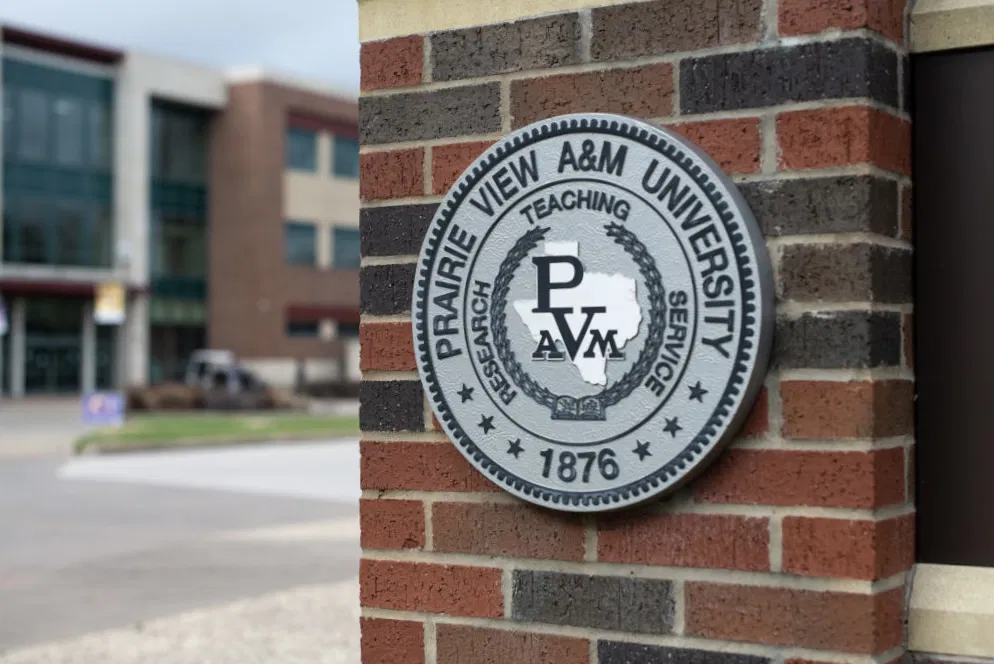
Prairie View A&M University Head Coach Resigns After Women’s Basketball Team Losses SWAC Tournament
After seven years of leading the team, Sandy Pugh has decided to quit the basketball program.
After her team was blown out by a 20-point loss in the quarterfinals of the 2025 SWAC (Southwestern Athletic Conference ) Women’s Basketball Tournament, Sandy Pugh resigned as head coach of Prairie View A&M University (PVAMU).
After leading the basketball team for the past seven years, Pugh has decided to relinquish her position at the institution.
🥳I am Officially Retired from basketball…grateful to everyone for all the well wishes. 30+ years…It’s been fun…😘😎💃🏾🫶🏾🍀🙏🏾
“As I step into the next chapter of my life,” said Pugh in a written statement, “I am filled with gratitude for the incredible journey at Prairie View A&M University. Coaching for over 30 years — the last seven as Head Coach of the PVAMU Women’s Basketball team — has been an honor. Through victories and challenges, the resilience and dedication of this community have shaped me in ways I will forever cherish. To my staff, fellow coaches, and the athletes I’ve had the privilege to lead, thank you for the camaraderie and unwavering support. The memories we’ve built together will remain with me always.”
The search for her replacement begins immediately, as PVAMU starts a national search for its next head coach of the women’s basketball program.
“Coach Pugh’s commitment to helping our student-athletes succeed both personally and academically is admirable,” said Prairie View A&M Athletic DirectorAnton Goff.
According to Sports Illustrated, Pugh stepped down after the team lost to Texas Southern University 69-49 at the Gateway Center in College Park, Georgia, on March 12. The team ended the season with a losing record of 10- 18.
The now-former coach started heading the program in May 2018 after leading the women’s basketball program for 18 years at Southern University. HBCU Gameday reported that in her first year as Prairie View A&M’s head coach, she led the team to a 17-14 record and the team secured the No. 2 seed in the SWAC tournament. That was the school’s best season since the 2012-2013 campaign.
Before taking the reins at the school, Pugh took Southern University to seven SWAC titles while winning four SWAC tournament championships. Southern University made several appearances in the NCAA tournament and the Women’s National Invitation Tournament (NIT) during her tenure at the school.