Indiana Hospital ,Mother, Birth In Truck

Bridging The Gap: Addressing Black Maternal Health Disparities Through Self-Advocacy 

Black Mamas Matter Alliance is more than just a campaign. It’s a movement


By Ayanna Alexander-Laine

This April, we recognize Black Maternal Health Week (BMHW), a time to amplify the stories and challenges of Black mothers across the country. Held annually from April 11–17 and founded by the Black Mamas Matter Alliance, BMHW is more than just a campaign. It’s a movement.

And for me, it’s deeply personal.

Despite all the accolades—Olympian, academic, entrepreneur—none of them shielded me from the all-too-common challenges Black mothers face in our healthcare system.

I was healthy, strong, and deeply in tune with my body. Yet still, I encountered the kind of maternal health adversity that far too many Black women experience. That’s when it truly hit me: If someone with my level of access to care could still face these disparities, what about the countless Black women who don’t have those same resources?

This is not just a medical issue. It’s a systemic one — rooted in implicit bias, structural racism, and a long history of disregarding Black voices in clinical spaces. While many solutions are needed to address this crisis, one tool continues to stand out: self-advocacy.

Why Black Maternal Health Week Matters

Black Maternal Health Week was launched in 2018 by the Black Mamas Matter Alliance to build awareness, activism, and community-driven solutions around Black maternal health. It intentionally aligns with National Minority Health Month and begins on April 11, the International Day for Maternal Health and Rights — a global day of action to end preventable maternal mortality.

The Black Mamas Matter Alliance is bringing some much-needed awareness to the persistent and alarming disparities in maternal mortality in the U.S.– disparities that have gone unaddressed for far too long. In 2021, the maternal mortality rate for non-Hispanic Black women was 69.9 deaths per 100,000 live births — a staggering figure that is 2.6 times higher than that of non-Hispanic white women, whose rate was 26.6. 

This data is not just numbers but reflects lives lost, families forever changed, and a healthcare system that continues to fail Black mothers. What makes this data even more concerning is that the mortality rates increased across all racial and ethnic groups between 2020 and 2021, highlighting the deepening nature of the crisis. Organizations like the Black Mamas Matter Alliance play a critical role in not only raising awareness but also advocating for systemic changes that center Black voices, protect Black mothers, and promote equity in perinatal care. Their work is not just timely; it’s lifesaving.

This year’s theme, “Healing Legacies: Strengthening Black Maternal Health Through Collective Action and Advocacy,” emphasizes the leadership of Black-led perinatal, maternal, and reproductive health organizations as a foundation for driving systemic change. It’s a powerful reminder that healing is both individual and collective.  

Why Self-Advocacy Matters

Self-advocacy, at its core, is about recognizing your worth and speaking up for your needs–even in environments where you’ve been taught to stay quiet. For Black women, self-advocacy can be a literal lifesaver. It’s about asking the hard questions, requesting second opinions, and trusting your intuition when something doesn’t feel right.

Unfortunately, the burden of advocacy often falls on the patient. Healthcare providers are on the front lines, responsible for delivering immediate and adequate care, but implicit bias creeps in, often silently and dangerously. This bias can affect how symptoms are interpreted, how pain is managed, and how urgently care is administered. It’s a matter of life and death.

That’s why self-advocacy is essential. For Black mothers navigating this system, it can start with a few foundational steps:

● Know your rights. Every patient has the right to be heard, respected, and fully informed. You have the right to ask questions, decline procedures, request a different provider, or seek a second opinion at any time.

● Bring a third party/support person with you to appointments. Whether it’s a partner, trusted family member, doula, or friend, having someone present to advocate alongside you can help ensure your concerns are addressed. They can take notes, ask clarifying questions, and speak up if you’re being dismissed or overlooked.

● Document your experience. Keep a record of your appointments, symptoms, and any care concerns. Having detailed notes not only empowers you but also provides a reference point if you feel your concerns aren’t being taken seriously.

● Listen to your gut. If something doesn’t feel right, say so. Use clear, assertive language: “I’m concerned about this symptom and need you to take it seriously,” or “I’d like to revisit this decision and understand all of my options.”

● If a provider refuses a test or treatment you’re requesting, ask them to document that refusal in your medical chart. This not only shows that you’re serious about your concerns—it can also prompt them to reconsider, or at the very least ensure there’s a record that you advocated for yourself. That documentation can be important for future care or if any issues arise.

● Choose culturally competent providers whenever possible. Seek out OB-GYNs, midwives, or birthing centers that demonstrate an understanding of racial disparities in maternal health and a commitment to addressing them. 

Another element of self-advocacy is to do research ahead of time on your provider/practice. While it’s not your job to be the expert, familiarizing yourself with basic birth plans, medical terms, and common interventions can help you feel more in control. Knowledge is power and confidence.


While it’s unjust that so much of this responsibility falls on the shoulders of women, these tools can serve as a shield and a voice when navigating a system that too often asks us to be silent.

This is also why cultural sensitivity and anti-bias training must be more than a checkbox; they must become standard practice in every healthcare setting. Providers need the tools to recognize disparities and the courage to address them head-on.

The Role of Doulas and Midwives

Equally essential in improving outcomes is the presence of doulas and midwives. Black mothers who work with these birth workers often experience better outcomes across the board. Why? Because doulas and midwives offer more than support—they offer protection. They help amplify the mother’s voice, serve as advocates in moments of vulnerability, and bridge the communication gap between patient and provider.

Doulas, in particular, offer continuous physical, emotional, and informational support throughout pregnancy, labor, and the postpartum period. They’re not medical professionals, but they play a crucial role in helping mothers make informed decisions and feel empowered in the process. For Black mothers, who are more likely to be dismissed or ignored in clinical settings, that reassurance and representation matter. It builds confidence. It builds trust.

Research also confirms that doulas provide more than just emotional support; they contribute to tangible health improvements. Mothers supported by doulas are significantly less likely to experience complications and more likely to have healthy birth weights and begin breastfeeding successfully.

Midwives are trained medical professionals who provide holistic reproductive care and often practice in community-based or birthing center settings that prioritize respectful, personalized treatment. Their care model is centered around listening, education, and shared decision-making—all key components in creating safer and more affirming birth experiences for Black women.

Together, doulas and midwives offer a powerful combination: emotional grounding, medical guidance, and a commitment to advocacy. In many ways, they restore what traditional healthcare settings sometimes stripped away: dignity, agency, and respect.

In essence, they provide a critical additional layer of care — before, during, and after birth. And for Black women navigating a healthcare system that too often fails them, that support can be transformational. It can mean the difference between trauma and healing, between being heard and being harmed.

When Data Meets Lived Experience

Through my academic research, I’ve examined how implicit bias affects care delivery and maternal health outcomes. I’ve studied how artificial intelligence if left unchecked, can reinforce these same disparities. I’ve examined how certain leadership models can help healthcare professionals rebuild trust with marginalized patients. 

But beyond the data, what continues to drive me is the storytelling.

We need more stories. We need more voices. We need to make the invisible visible. 

Because statistics can be dismissed, but stories? They move people. They inspire action. They can lead to change.

Looking Ahead – A Call to Action for Leaders

As we recognize Black Maternal Health Week 2025, I encourage everyone, patients, providers, policymakers, and allies, to engage with this issue both intellectually and emotionally.

Listen to Black mothers. Amplify their experiences. Champion culturally competent care. Support and fund doulas, midwives, and community-based birth workers and advocate for the policies that reflect our lived realities, not just data points.

We also need to advocate for more cultural sensitivity training for healthcare providers. Cultural sensitivity isn’t just a box to check; it’s a critical tool in closing the gap in maternal health outcomes for Black mothers. Too often, providers are unaware of the implicit biases and systemic inequities that shape their patients’ experiences and outcomes. 

By fostering cultural awareness and humility, providers can begin to recognize how historical mistrust, communication gaps, and unconscious bias contribute to disparities in care. This kind of training and reflection is essential to delivering equitable, respectful care. When providers are equipped with the knowledge to understand cultural context and the awareness to challenge their own assumptions, they’re better positioned to listen, to act with empathy, and to respond in ways that affirm the dignity and needs of women. Ultimately, cultural sensitivity is not about being politically correct–it’s about being clinically effective and morally accountable.

This mission is deeply personal for me — but it’s not mine alone. When we advocate for better care for Black mothers, we’re building a more equitable healthcare system for everyone.

We owe it to ourselves, our families, and the generations to come.


Ayanna Alexander-Laine 

Ayanna Alexander-Laine is a distinguished professional with a multifaceted career in athletics, healthcare, and venture capital. Ayanna currently serves as a General Partner at Freedom Trail Capital. She competed in the triple jump at the 2012 Olympics, won two Commonwealth Games medals, and became a 16-time national champion. Currently, Ayanna is a Ph.D. candidate in Business Administration, focusing on health equity, Black maternal health, and the ethical implications of AI in healthcare. Her influential research, published in the International Journal of Management and Humanities, addresses Black health disparities and implicit bias training. Additionally, Ayanna is producing a documentary on Black maternal health disparities and is dedicated to expanding VC opportunities for underrepresented groups.
Atlanta Dream, naz hillmon, WNBA, Basketball, Season Ticket

Black Girl Vitamins Announces First Professional Sports Partnership With Atlanta Dream

Black Girl Vitamins is championing women athletes and their fans to reach their health goals with vitamin supplements.


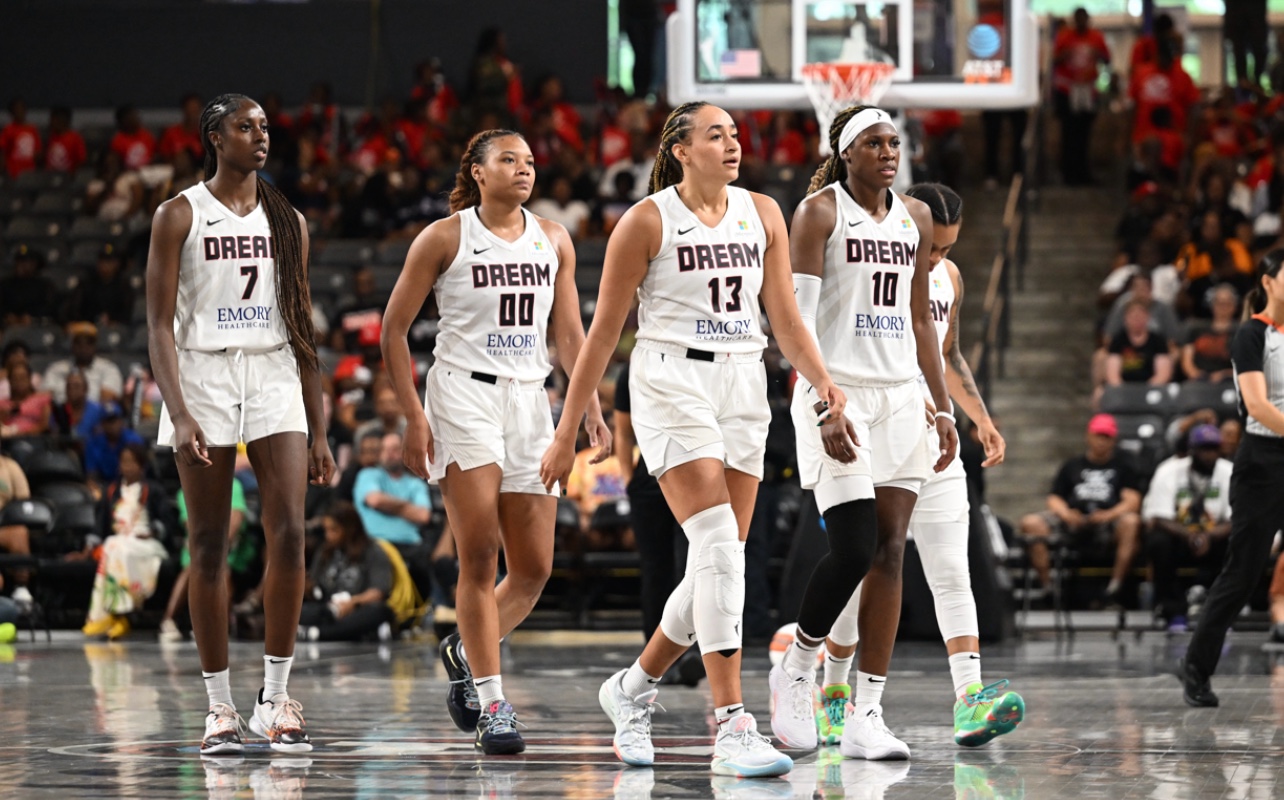
Black Girl Vitamins has announced its first sports partnership with the Atlanta Dream to promote women’s wellness and fitness at a greater scale.

Black Girl Vitamins will be a supporting partner for the WNBA team for its upcoming 2025 season. It hopes to drive engagement for fans on and off the court, championing women athletes to reach their health goals with vitamin supplements. The Black women-owned company confirmed the news on social media and in a press release shared with BLACK ENTERPRISE.

Home game attendees will receive exclusive wellness gift bags throughout the season filled with some of BGV’s best-selling products. With Atlanta as a key market, BGV hopes to elevate this community while highlighting the importance of vitamin supplementation.

BGV offers multivitamin bundles, collagen peptide powders, and more to help women of color, particularly Black women, with a wide range of health goals. For those struggling with hormonal issues or wanting a boost in their beauty regimens, BGV has solutions to address these concerns holistically.

The No. 1 health and wellness brand for Black women will also be featured quarterly in The Atlanta Dream’s newsletter and website. The partnership addresses systemic health disparities among Black women and encourages new fans to support the team while gaining control of their wellness journey.

BGV began its sports partnership by sponsoring Howard University’s women’s basketball team in 2024. Now, it will take on the professional sports realm to connect with an even wider community through this storied franchise.

Since its launch in 2021, BGV has prided itself on promoting health education and accessibility for its target demographic. Making clear that Black women deserve representation in the supplement industry, they are building new relationships to take this mission to the next level.

This partnership also cements its ties to the Atlanta Dream, the Southeast region’s only WNBA franchise. It will offer greater visibility to BGV’s ongoing mission to get Black women the unique nutrients they need.

The company also funds scholarships for Black women in healthcare and supports Black women athletes. Now, BGV’s legacy continues as it prioritizes this underserved demographic in its wellness vision.

RELATED CONTENT: Black Twitter Drags Jermaine Dupri For Allegedly Admitting To Cheating On Janet Jackson In Lifetime Doc

Missouri , Damon Wilson, sued

NFL Star Khalen Saunders Launches LGBTQ+ Friendly Youth Football Camp

NFL player Khalen Saunders is deepening his support for the LGBTQ+ community with the launch of a new youth football camp.


New Orleans Saints defensive tackle Khalen Saunders has partnered with GLAAD and the NFL Pride Football Combine to launch a summer youth football program that embraces and supports LGBTQ+ youth.

Saunders, whose brother Kameron Saunders is a backup dancer for Taylor Swift, announced the LGBTQ+-inclusive youth football camp at the 2025 GLAAD Media Awards. He shared that his inspiration for launching the camp came from his role as an ally to the LGBTQ+ community.

“Being an ally is more than just saying I support, but it’s also showing up,” Saunders said on NFL Network’s Good Morning Football. “Being in the NFL is very male-dominant and heterosexual, and it feels as though there’s not really a space for the LGBTQ community.”

The St. Louis native expressed his pride in partnering with GLAAD and the NFL Pride Football Combine to help make football more inclusive—an effort that aligns with one of the core pillars of his Original Element foundation.

“These are people who feel like they have to be hidden, although they might love the sport, they might love the NFL, they might love football in general as a sport, but they kind of shy away from it just because of orientations, or all these other kind of outside things,” Saunders said.

“That’s my goal to continue to spread positive energy around that because football is for everybody,” he added. “Football is for all.”

His inclusive mindset traces back to childhood, when he was open to learning ballet moves from his younger brother.

“Back in the day, he’d be educating…he’d be like, ‘Oh that was a pirouette,’ and telling us whatever they’re doing in the class,” Saunders told People in November 2025.

Saunders announced his camp, set to kick off on July 5, alongside former Dallas Cowboys player RK Russell, who publicly came out as bisexual in 2019.

RELATED CONTENT: Dwyane Wade Honored For LGBTQ+ Advocacy, Launches ‘Translatable’ For Trans Youth

Tina Knowles, Beyoncé, hatters, halftime show

Beyoncé And Tina Knowles Celebrate The Launch Of Cécred At Ulta Beauty

The products range in price from $16 to $56.


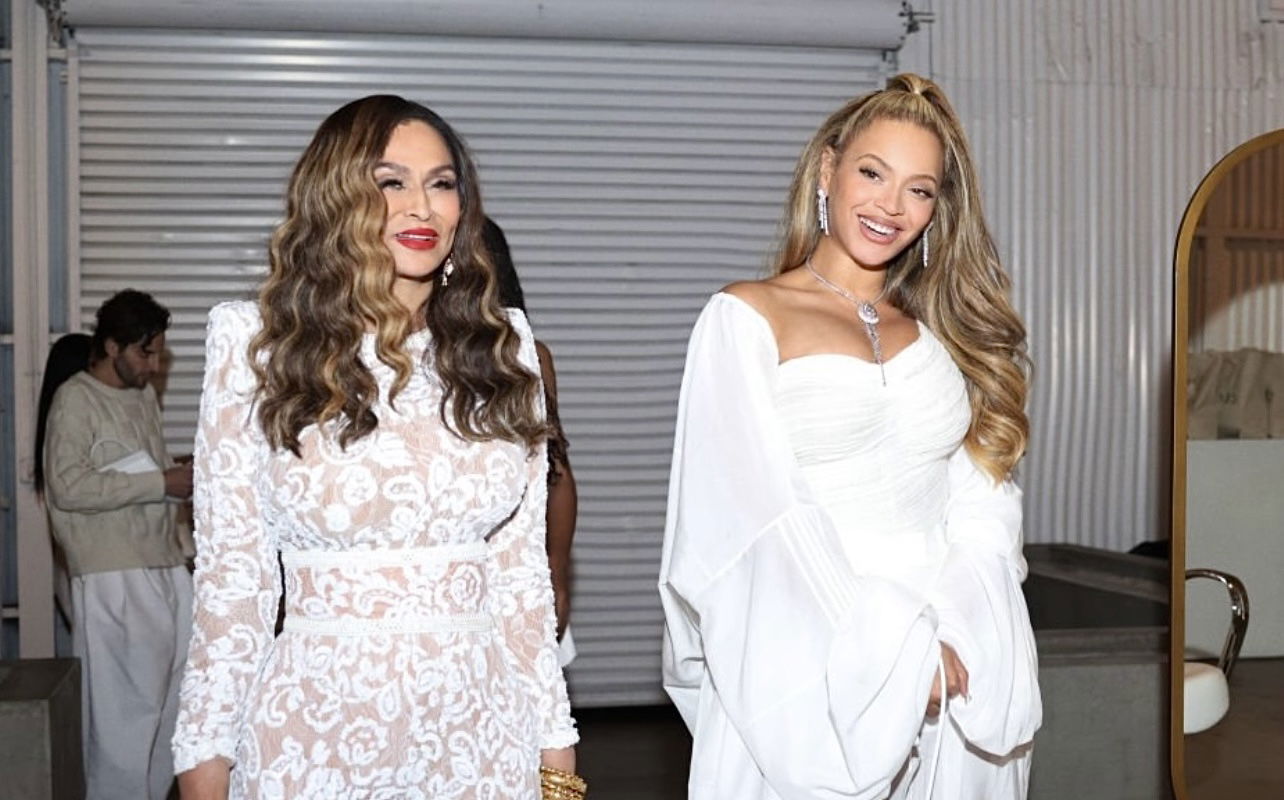
Beyoncé and her mom, Tina Knowles, came together for a video promoting the launch of their haircare line, Cécred, at Ulta Beauty.

The two beauty companies shared a joint Instagram video on April 6, that showed Beyoncé applying her Cécred Nourishing Hair Oil to her platinum blond hair. She then hands the bottle to her mom, who seals it and passes it to a staffer, who hands it to another team member. The final staffer places the oil on Cécred’s product display shelf at Ulta.

“Operation get @cecred at @ultabeauty is officially COMPLETE, with the help of the big boss and founder, @beyonce! Available NOW at your local Ulta Beauty store and ultabeauty.com,” the caption read.

The Ulta launch comes two months after Beyoncé revealed that her haircare line would be expanding to the major beauty retailer following its exclusive availability on cecred.com. All 16 products from the Foundation Collection, including best-sellers like the Nourishing Hair Oil, Restoring Hair & Edge Drops, Moisture Sealing Lotion, and Fermented Rice & Rose Protein Ritual, are now available online at Ulta.

Ranging in price from $16 to $56, Cécred’s products include hydrating and clarifying shampoos and conditioners, hair tools, travel-sized options, and exclusive bundles, which have been receiving rave reviews since its official launch in 2024. Alongside the Ulta launch, fans can also experience the inclusive haircare brand through treatments and salon events at select locations.

The collection features hydration and repair kits, styling combs, vented paddle brushes, and other essential hair tools. Now through April 19—or while supplies last—shoppers can receive a free limited-edition cosmetic bag with their Cécred purchase. Fans of the global pop superstar are applauding Cécred’s results and expansion into Ulta.

“I haven’t used this oil, but the oil drops left my daughter’s hair feeling so soft without weighing it down,” one fan wrote.

“Literally doing my wash day right now with @cecred before I head to @ultabeauty this morning!” added someone else.

RELATED CONTENT: Academy Of Country Music Awards Snub Beyoncé Despite Album Of The Year Grammy Win

beer, craft beef, Black Woman-owned Brewery, Minnesota, brewer

Black-Owned Beer Companies To Indulge On National Beer Day

Support these Black-owned breweries that are bringing flavor and community to the craft beer scene.


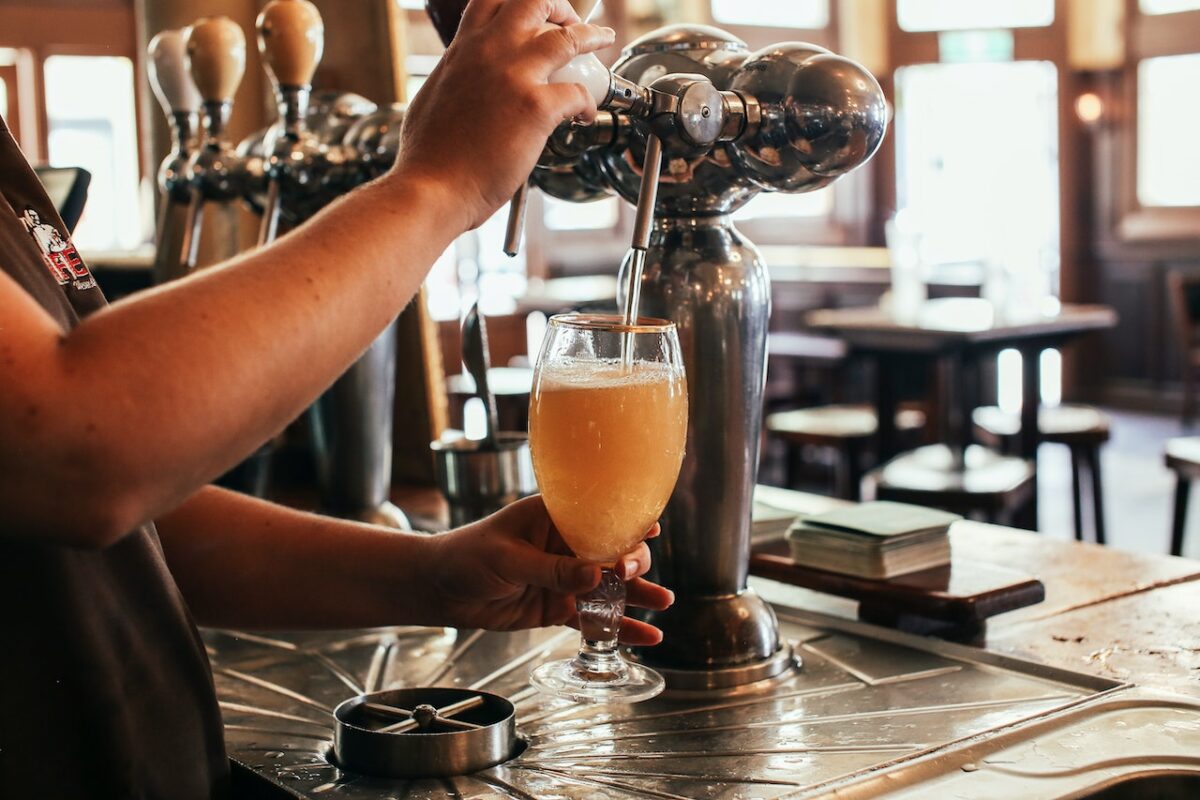
In the spirit of National Beer Day, which falls on April 7, BLACK ENTERPRISE is highlighting eight Black-owned beer and brewing companies that are making great strides in the craft beer sector. These businesses not only present a range of delicious beer but also represent diversity, economic empowerment, and cultural visibility. Support these Black-owned breweries that are bringing flavor and community to the craft beer scene.

Down Home Brewing

Down Home Brewing was established in 2017 by the Atlanta-based Chris Reeves. The brewery is Georgia’s first Black-owned craft beer manufacturer. Reeves collaborated with William Allen Moore, a Morehouse student, to expand the venture. Although they lack a tangible brewery at the moment, they leverage contract brewing to sell their products in more than 130 Georgia outlets with aspirations of a physical site in the future. Their collection features Georgia Hooch IPA, T-Pom Pomegranate Wheat Ale, Down Right Hazy IPA, and Muddy Water Porter. Each beer embodies bold flavors.

Crown & Hops Brewing Co.

Crowns & Hops Brewing Co., a brewery owned by Black individuals and located in Inglewood, California, is the work of two co-founders, Beny Ashburn and Teo Hunter. Being the first Black woman-owned brewery based out of the neighborhood. Crowns & Hops aims to maintain cultural heritage, introduce new flavors, and unite people through producing excellent beer. Crowns & Hops crafts a range of unique beers, such as Mama’s Peaches, a peach cobbler tart ale. The beer brand also received an award for initiatives such as the “8 Trill Pils” program aimed at Black-owned breweries. The brewery has set a path towards providing diverse and adequate cultural representation in the beer industry.

Harlem Brewing Co.

Harlem Brewing Company is a craft brewery that was established in November 2000 and is the creation of Celeste Beatty. Beatty is the only African American woman in the United States who owns a brewery. The brewery is based in Harlem, New York, and is inspired by the neighborhood’s cultural history. Harlem Brewery produces beers that commemorate African American culture. Beatty started homebrewing in her apartment. She came up with the idea to make signature beers like the Sugar Hill Golden Ale, which is named after the historic neighborhood of Harlem.

Cajun Fire Brewing Company

Cajun Fire Brewing Company is a phenomenal brewery established in 2011 by Jon Renthrope in New Orleans, Louisiana. This is the first brewery in the South owned by a Black person and the first brewery in the country that both Black and Native American individuals own. Due to his love for craft beer and belief in his cultural heritage, Renthrope founded the brewery after he was encouraged by these factors. He created Cajun Fire Brewing to not only represent the traditions and culture of New Orleans but also contribute to solving the socioeconomic issues present in the area. The company’s motto, “Brewing for socioeconomic change one pint at a time,” particularly epitomizes its goal of New Orleans East revitalization through the development of jobs and community building. Cajun Fire’s beers are made using various influences from Cajun, Creole, Houma Indian, and African Diaspora traditions.

Khonso Brewing

Khonso Brewing is an Atlanta-based craft brewery established in 2017 by friends Kevin Downing, Corby Hannah, and William Teasley. The name “Khonso” is a tribute to Khonso Im-Heb, the legendary ancient Egyptian brewer known for the drinks that the pharaohs and the commoners would enjoy. The founders, who embarked on their homebrewing journey in 2013, set up Khonso Brewing to bring innovative and diverse beer offerings that honor the cultural heritage and promote community engagement. Their beers, including Standing Peachtree, Pullman Yard, and Sweet Auburn, are named to pay tribute to Atlanta’s neighborhoods and the city’s history. Khonso Brewing proposes an “escape from the ordinary.”

Sankofa Beer Co.

Sankofa Beer Company is a Washington, D.C.-based craft beer producer and distributor. Sankofa Beer was founded in 2017 by lifelong friends Kofi Meroe and Amado Carsky. “Sankofa” originates from the Ashanti/Akan people of Ghana, meaning “go back and get.” The term symbolizes the importance of understanding and embracing one’s heritage to build a strong future. Meroe and Carsky, who grew up together in West Africa, began homebrewing in 2012 and experimented with incorporating flavors from their upbringing. Their flagship beer, HYPEbiscus, is a pale ale infused with hibiscus flowers, a nod to the popular West African hibiscus tea known as bissap. The company’s mission is to create a space where culture meets craft, drawing inspiration from their West African roots to expand the conventions of craft beer.

Joyhound Beer Company

Joyhound Beer Company is a family-run craft brewery in Baltimore. The company’s founder, Alfred Rotimi, is a neuroscientist and a brewer. His passion for brewing and his background in science inspired Rotimi to start Joyhound as the fusion of science, art, and community, with the slogan “Craft Beer for Nerds, by Nerds.” The brewery relies on contract brewing and distributes its products in over 65 locations, including Trader Joe’s and Total Wine. Their beers— Tailwagger, Foggy Chesapeake, and Plum Power Sour—are the finest examples of the unique flavors and locally sourced ingredients. The name Joyhound is a tribute to the fact that brewing brings joy to the family and represents the family’s love of dogs. The company is committed to the principles of STEAM, the creative process of beer-making, and having fun with it.

18th Street Brewery

18th Street Brewery is a Hammond, Indiana brewery established in 2010 by Drew Fox, who got the inspiration from a trip to Belgium that made him fall in love with various beer styles. With the mission of brewers crafting creative, high-quality beers, the brewery presents a multitude of types such as saisons, IPAs, stouts, lagers, and pricey B&B like the double milk stout “Hunter” and the pale ale “Candi Crushable.” The brewery operates in two locations: a large production facility and brewpub in Hammond and a smaller taproom in Gary, Indiana, the original taproom with a 10-barrel open fermentation system. The vision of Drew Fox combines creativity and culture with a love for beer, which will be the main driver of the brand’s distinctive identity.

RELATED CONTENTHow One Entrepreneur Is Taking The Craft Beer Industry By Storm And Serving Up Excellence

california fire, wildfires, eaton fire

New Urban One Podcast ‘Altadena: After The Fire’ Explores Ongoing Recovery Efforts

The Urban One Podcast Network introduced "Altadena: After the Fire" to delve into the city's resilience and its ongoing recovery efforts.


The Urban One Podcast Network is launching a series that documents Altadena, California’s recovery in the aftermath of the devastating Eaton Fire.

Colby ‘Colb’ Tyner will host “Altadena: After The Fire,” a bi-monthly podcast that explores the city’s rebuilding journey through conversations with elected officials, community leaders, business owners, and survivors. The podcast will explore the disaster’s impact on residents and businesses through on-the-ground reporting, in-depth interviews, and ongoing efforts to preserve and restore Altadena’s rich cultural heritage.

“It is very important that we do not forget this tragedy. As national news coverage has slowly dwindled once the fires were extinguished, we wanted to be a voice for the residents of Altadena and keep the rest of the world informed of what is happening,” Tyner, senior vice president of programming for Urban One’s Audio Division, said in a press release.

“We welcome you to join us as we document the journey of a community determined to rise from the ashes.”

In the debut episode, Tyner sits down with radio and podcast producer Tawala Sharp, a lifelong Altadena resident. Sharp’s home was one of just five on his block to withstand the devastating fire—though it remains unlivable. He shares his firsthand account of the destruction and the ongoing struggle to rebuild.

The conversation highlights the slow and difficult rebuilding process as residents face challenges with insurance companies, misinformation, and limited resources. Many families are still searching for safe housing, and with little media coverage, locals say they feel forgotten while opportunists attempt to exploit displaced homeowners.

In Episode 2, which premiered March 28, Tyner sat down with Charisse Bremond, CEO of the Brotherhood Crusade, who discussed how her organization is helping families in Altadena and Pasadena recover and build long-term stability. The episode also features KBLA’s Dominique DiPrima and LA Progressive’s James Farr in a deep dive into the environmental fallout as the rainy season approaches, the political consequences of displacing 22,000 residents, and the economic toll on small businesses, renters, and their rights in the wake of the disaster.

The podcast supports recovery efforts through a partnership with the Brotherhood Crusade, which aims to boost donations to its Wildfire Relief Fund. All contributions will go directly toward helping wildfire survivors secure shelter, clothing, food, personal care items, and other essential supplies.

New episodes will be released biweekly until October 2025, with occasional special episodes added in between. They will be available on The Urban One Podcast Network, Apple Podcasts, Spotify, and YouTube.

RELATED CONTENT: Ben Crump, NAACP Sue Southern California Electric For Eaton Fire Victims In Altadena

Cam’ron, pink Range Rover

Cam’ron Reveals His Family Owns Roscoe’s Chicken ‘N Waffles, Planning Expansion In Mexico

Leave it up to Cam'ron to uncover the Harlem roots behind L.A.’s iconic Roscoe's Chicken 'N Waffles.


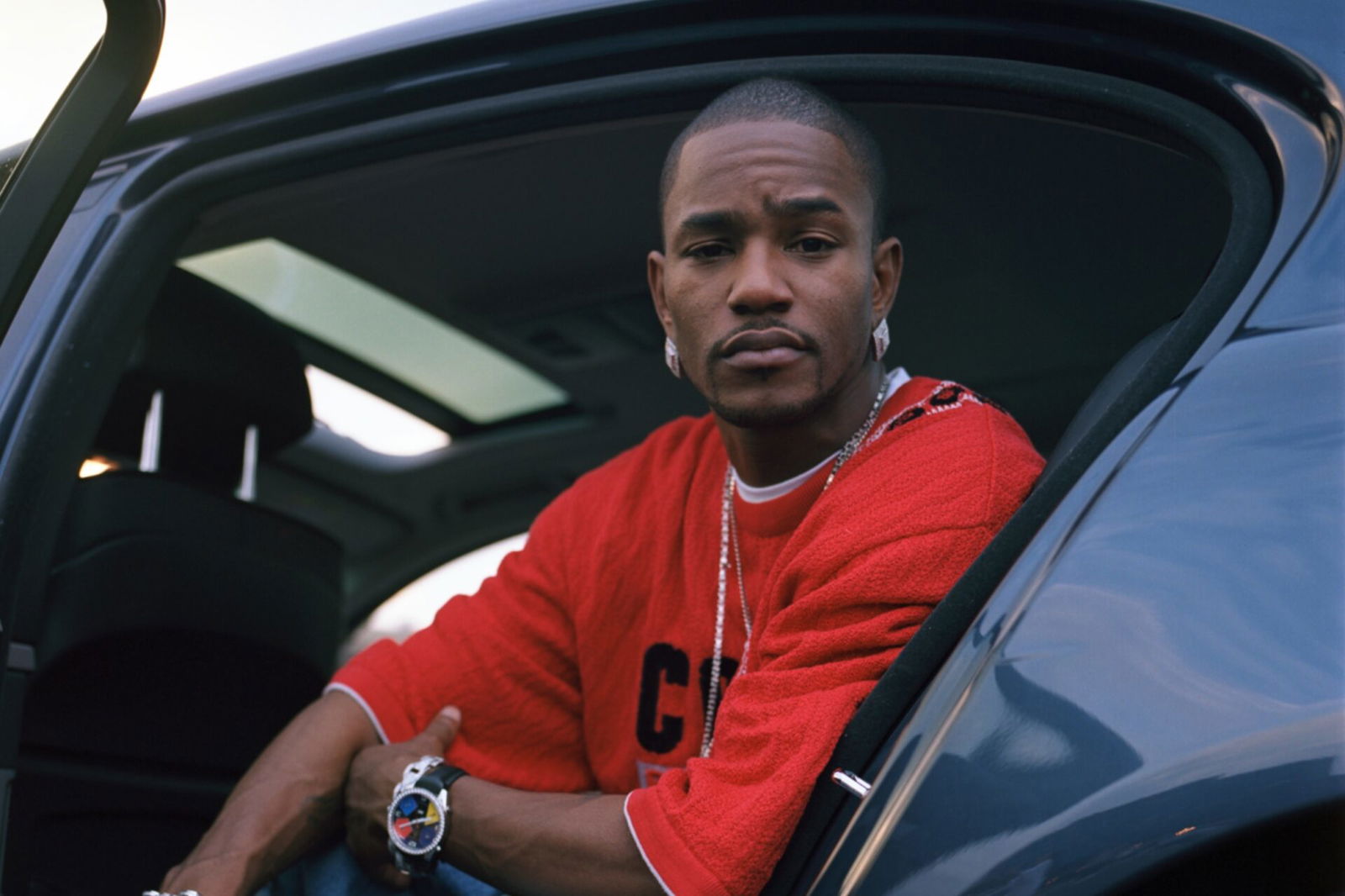
Roscoe’s Chicken’ N Waffles may be a Los Angeles staple, but according to Harlem native Cam’ron, its roots trace back to Harlem, New York.

On a recent episode of his It Is What It Is podcast, Cam’ron revealed his family ties to Roscoe’s. While the LA-based chicken and waffle spot is undeniably popular, little is known about the people behind the brand—or where they come from.

As it turns out, the founders are not only from Harlem but are related to Cam’ron.

“My family owns Roscoe’s Chicken and Waffles,” Cam said in a clip captured online. “I never really bring it up, ‘cause I just didn’t think it was necessary. But yeah, that’s us.”

“I know everybody in California be like, ‘Yo, that’s our sh*t, that’s our sh*t,’” he added. “Roscoe’s Chicken’ N Waffles is absolutely a California thing. But if y’all didn’t know, some Harlem n****s own it, my family.”

Cam’ron shared that the restaurant chain, which has six locations in Los Angeles, is preparing to expand with a new spot in San Diego and 20 more opening in Mexico City.

This isn’t the first time Cam’ron has acknowledged his Roscoe connection—he paid tribute to his uncles, Herb and Warren, in an Instagram post celebrating their legacy and what he called a “bloodline of hustlers.”

“Fun fact: Would you believe me if I told you that the owner/founder of Roscoes Chicken and Waffles was from Harlem? And that he’s my uncle?!… nah, I wouldn’t believe me either. Oh well 🤷🏾‍♂️,” he wrote in May 2023. “What up, Uncle Herb and Warren. New location opening up in San Diego this summer.”

Roscoe’s House of Chicken and Waffles has become a soul food staple since its founding in 1975. As Cam’ron suggests, the popular soul food chain was founded by Harlem native Herb Hudson.

Known for its signature dish—chicken and waffles served together or separately—the restaurant also offers a variety of classic soul food options. It grew in popularity thanks to Hudson’s connections in Motown and television, including Stevie Wonder and Natalie Cole, who helped spread the word.

Comedy legend Redd Foxx would even promote Roscoe’s to his audiences, further fueling its rise to fame. Over the years, it’s become a beloved spot for stars like Snoop Dogg to President Barack Obama, cementing its status as a timeless L.A. icon.

RELATED CONTENT: Black Twitter Drags Jermaine Dupri For Allegedly Admitting To Cheating On Janet Jackson In Lifetime Doc

sinners, ryan coolger, micahel b. Jordan

Michael B. Jordan Receives First Star On Newark Walk Of Fame

The honor was bestowed at the premiere of Jordan's latest film, Sinners, at Newark's CityPlex 12


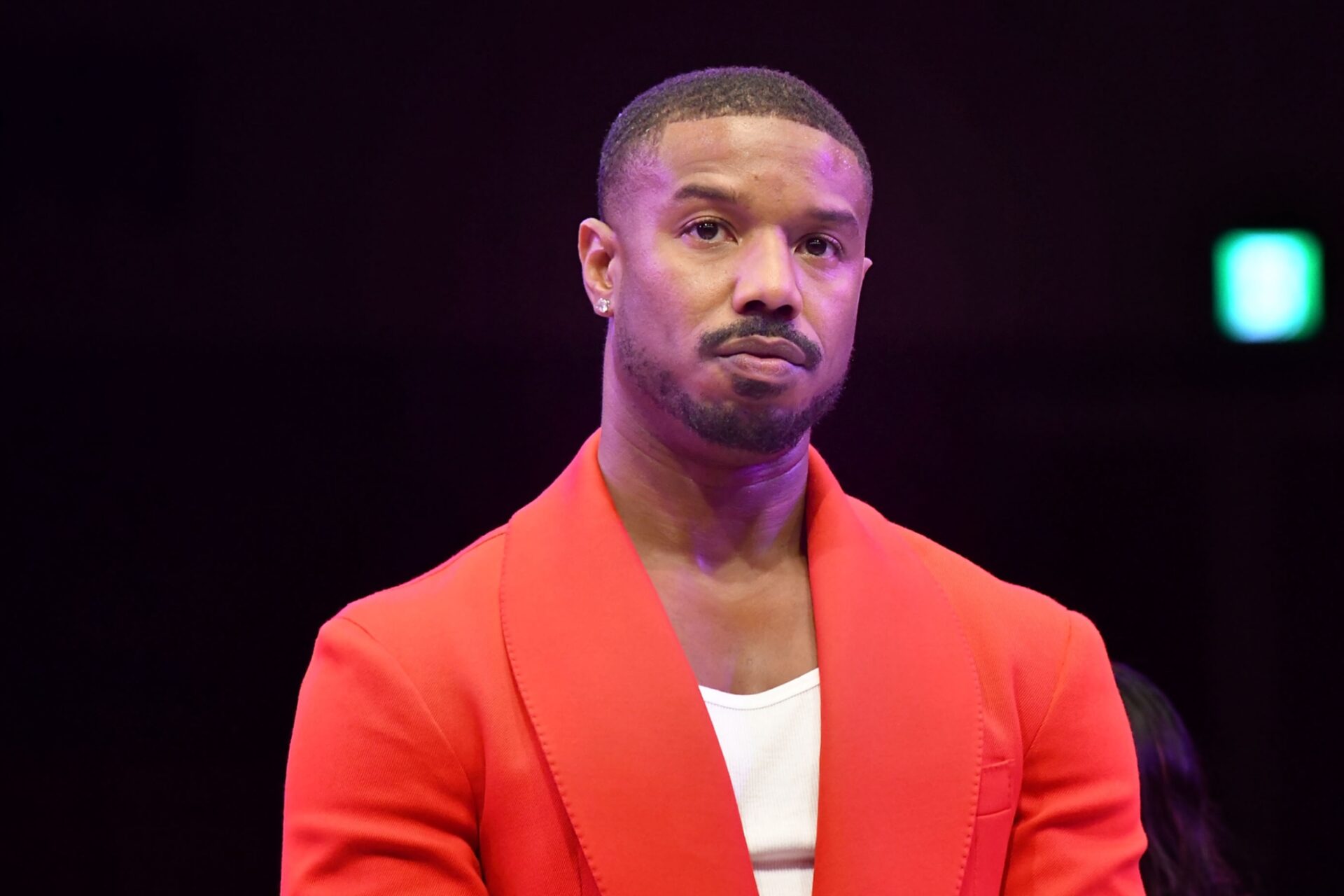
New Jersey native Michael B. Jordan was honored with the first star on the Newark Walk of Fame.

According to AllHipHop, the honor was bestowed at the premiere of the Newark native’s latest film, Sinners, at CityPlex 12. Although the actor was not at the premiere, his mother, father, and sister were there to accept the acknowledgment, along with some of his relatives and community members who supported the movie and the actor.

Politicians, including Newark Mayor Ras Baraka and former hip-hop recording artist-turned-councilman Dupre “Doitall” Kelly, were there to present the star to his family members and deliver the official city proclamation honoring Jordan for his contributions to film and his ongoing commitment to the Newark community. In attendance at the event were fellow actors Malik Yoba, J.D. Williams, and Jermel Howard, MTV’s Jamila Mustafa, journalist Samson Styles, producer Kim J. Ford, and AllHipHop’s Chuck Creekmur, among others.

Jordan didn’t make it out to Newark for the honor but did make an appearance April 3 for the New York premiere of Sinners, which took place in Manhattan at AMC Lincoln Square, according to TMZ. Jordan was there with several of his co-stars, Hailee Steinfeld, Delroy Lido, Omar Benson Miller, Li Jun Li, Jayme Lawson and Miles Caton, Jack O’Connell, Wunmi Mosaku, and his frequent collaborator, writer-director Ryan Coogler.

The movie will debut in theaters nationwide April 18 and features Jordan as twin brothers. It’s a supernatural horror film set in the South in the 1930s. The “brothers” are returning to their hometown, “trying to leave their troubled lives behind,“ only to discover that an even greater evil is waiting to welcome them back.

Jordan was first seen in the HBO series The Wire before becoming a breakout movie star, appearing in films like Fruitvale Station, Black Panther and Black Panther: Wakanda Forever, the Creed trilogy, and several others.

RELATED CONTENT: Black Twitter Drags Jermaine Dupri For Allegedly Admitting To Cheating On Janet Jackson In Lifetime Doc

Roberto Clemente, MLB

Pittsburgh Pirates Will Place Roberto Clemente No. 21 Logo Back On Right Field Wall

The team apologized to Clemente's family for removing the logo for advertisement placement


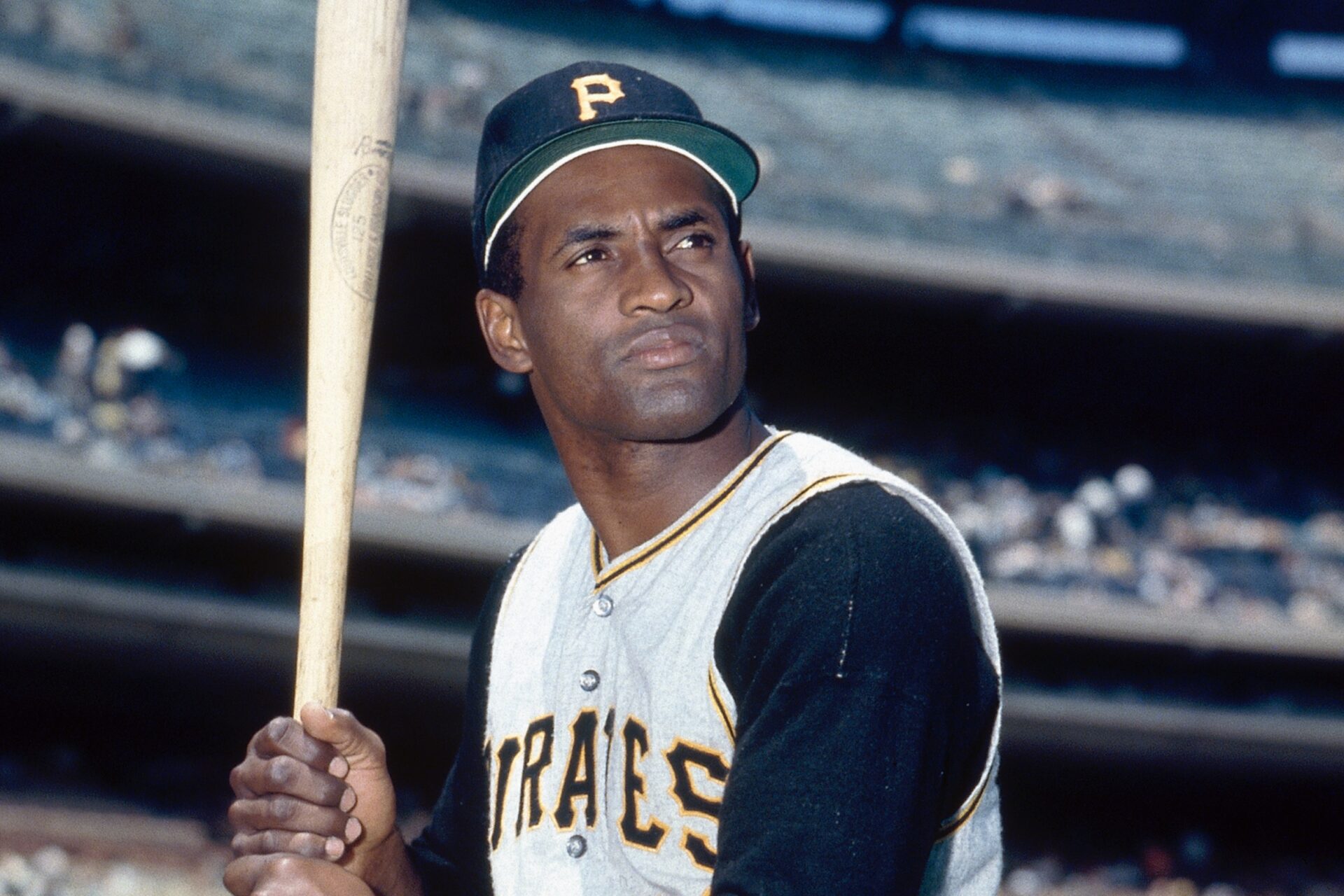
After baseball fans and the family of Roberto Clemente expressed outrage over the Pittsburgh Pirates’ removal of the Major League Baseball Hall of Famer’s logo from the outfield wall at the team’s stadium, the team announced that it would be restored.

MLB.com reported that the team will add the player’s No. 21 logo back to the right field wall at PNC Park after it was removed to place an advertisement on the space. The logo has been in place for the past three seasons.

Roberto Clemente Jr., the son of the deceased Hall of Famer, took to social media to express his displeasure with the Major League team’s move.

The team’s president, Travis Williams, issued a statement explaining that the area where the logo was previously used for ads was replaced due to not having a sponsor for that space with Clemente’s logo. The advertisement placed there was in no way disrespectful to the player, and his logo will go back in its place. Williams took full responsibility for the move.

“We did not intend to disrespect the legacy of Roberto Clemente by adding the advertisement to the pad in right field.

“When we added the advertisement to the pad, it was an oversight not to keep the No. 21 logo. This is ultimately on me, not anyone else in the organization. It was an honest mistake.

“We will be adding the No. 21 logo back to the pad.

“We have used this area for advertisements for many years. When we didn’t have a sponsor coming out of COVID, we added an additional element in 2022 to honor the legacy of Roberto. It was a replica of the Three Rivers signage honoring him.”

The park’s right field wall has two 21s above the video board. There are also other tributes to Clemente throughout the ballpark.

RELATED CONTENT: Move Over Juneteenth! The Black Delegation Commemorates Aug. 5 ‘#FadeInTheWater’ The New-Era Day Of Revolt

100 Black Men, St. Louis

100 Black Men of Metro St. Louis Host ‘Dollars and $ense’ Competition To Teach Youth Financial Skills

The competition showcases its youth participants' financial knowledge.


The 100 Black Men of Metropolitan St. Louis hosted a new contest for young people to display their financial prowess.

The “Dollars and $ense” Financial Literacy Competition took place on April 5. It inspired the youth to save and invest their cash and encouraged participants to incorporate these wealth-building skills into their everyday lives.

The young participants helped develop a plan for prospective clients. They created strategies to boost savings while fixing spending issues and managing credit.

“[Financial literacy] is not really talked about in school,” said Carter Higgins, a 7th grader, to First Alert 4.

The contest also wants young people to get an early start on money management. Especially in periods of economic uncertainty, these skills can help navigate times of financial stress.

“Money is kind of limited for most people, inflation is going around,” said Jeremiah Hathorn, president of the 100 Black Men of St. Louis. “But how do you manage that? You manage that with a budget. You manage that with cash flows. That’s what we teach our mentees today.”

“Dollars and $ense” is a national program for the 100 Black Men of America organization. Across chapters nationwide, youth participants can join programs that introduce these personal finance skills. In partnership with State Farm Insurance, the national competition aims to eradicate financial illiteracy among youth of color.

In St. Louis, the program also runs from January to June for high schoolers. Not only does the program teach fiscally responsible principles and values, but encourages attendees to pursue higher education and apply for college.

“The program is designed to introduce students to topics that are challenging, yet reachable,” described the chapter’s website. “Committed students will be rewarded for their effort, become knowledgeable in personal finance and investments, and develop a desire to pursue these topics in a higher educational environment.”

Students can also receive scholarships based on their quizzes, competition scores, and attendance in the free course. The program promotes an integral pillar of the 100 Black Men of America, economic empowerment for the community.

The top three local finishers in St. Louis will head to the national competition in New Orleans while representing their city.

RELATED CONTENT: Black Twitter Drags Jermaine Dupri For Allegedly Admitting To Cheating On Janet Jackson In Lifetime Doc

×