Marijuana Use Linked To Increased Risk of Heart Attack, Research Shows
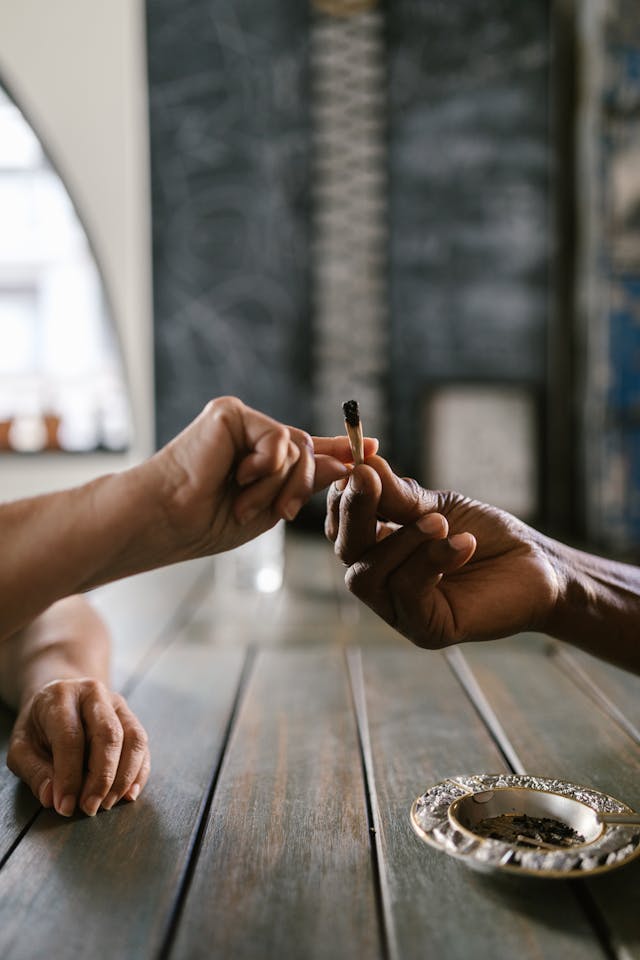
A study showed that people who used cannabis under the age of 50 were over six times as likely to suffer a heart attack compared to those who didn't use the drug.
A recent study revealed that marijuana users are more at risk of suffering a heart attack than people who do not use cannabis.
The American College of Cardiology (ACC) stated that a study showed that people who used cannabis, under the age of 50, were over six times as likely to suffer a heart attack compared to those who didn’t use the drug. It revealed a 50% increased risk among smokers of marijuana.
The results are from a study of over 4.6 million people published in JACC Advances and a meta-analysis of 12 previously published studies.
“Asking about cannabis use should be part of clinicians’ workup to understand patients’ overall cardiovascular risk, similar to asking about smoking cigarettes,” said Ibrahim Kamel, MD, clinical instructor at the Boston University Chobanian & Avedisian School of Medicine and internal medicine resident at St. Elizabeth Medical Center in Boston and the study’s lead author. “At a policy level, a fair warning should be made so that the people who are consuming cannabis know that there are risks.”
The outcome came from data from TriNetX, a global health research network that provides access to electronic medical records. Over an average follow-up of more than three years, people who used cannabis had more than a “sixfold increased risk of heart attack, fourfold increased risk of ischemic stroke, twofold increased risk of heart failure and threefold increased risk of cardiovascular death, heart attack or stroke.”
The people studied for this were all younger than 50 and had no significant cardiovascular comorbidities at baseline. The blood pressure and low-density lipoprotein (LDL) cholesterol levels were all within a healthy range, and none of the participants had diabetes, partook in tobacco use, or had prior coronary artery disease.
Researchers pooled data from 12 published research studies that included over 75 million people for the meta-analysis’s results. Ten of the 12 studies were conducted in the United States, while one was performed in Canada and one in India. The average age of the people studied was 41 years old.
Seven of the studies showed a positive connection between cannabis use and heart attack incidence. Four showed no significant difference, while one showed a slightly negative association. After pooling and analyzing all the information from the studies, they found a significant positive association, with active cannabis users being 1.5 times as likely to suffer a heart attack than their non-cannabis-using counterparts.
“We should have some caution in interpreting the findings in that cannabis consumption is usually associated with other substances such as cocaine or other illicit drugs that are not accounted for,” Kamel said. “Patients should be forthcoming with their doctors and remember that we are their number one advocate and having the full story matters.”
Chris Brown Advises Fan To Nix Wearing Red Bandanas To His Shows
'Just get brown bandannas so yall won’t run into any problems'
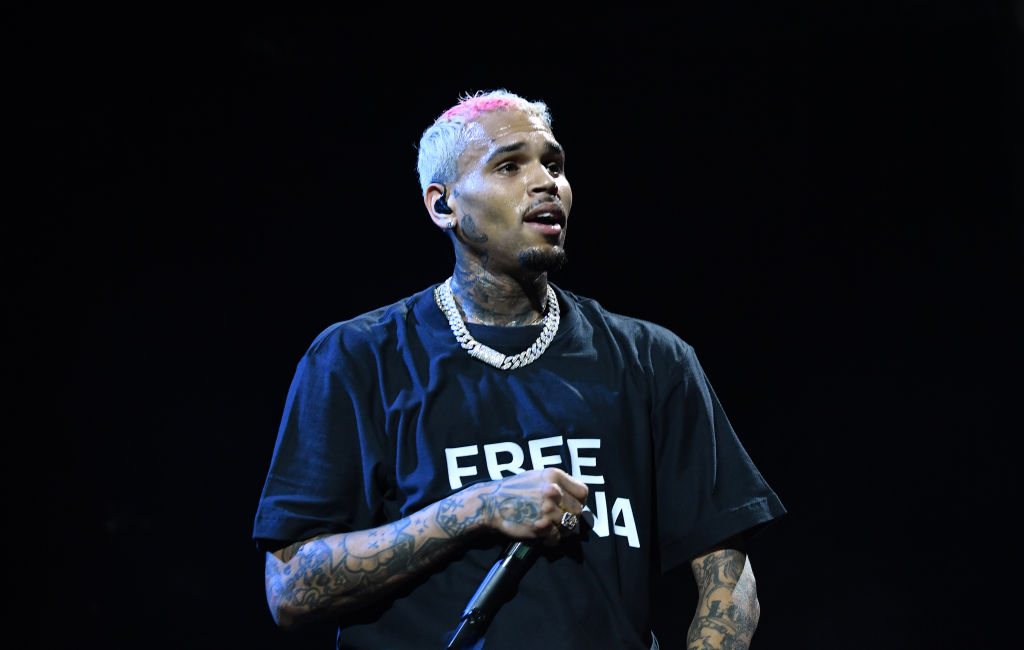
Crooner Chris Brown is about to embark on a stadium world tour in June and gave some insightful advice to his fans regarding red bandanas at his shows.
The talented performer advised his fans to avoid wearing red bandanas to his concert to show support. However, he stated that another color should be selected so people won’t “get the wrong impression and promote the wrong thing!” He suggests that fans wear brown bandanas instead of the reported red some have suggested.
“I see a lot of the fans collectively telling team breezy to wear red bandannas to the concert. I would highly advise yall to NOT do that! 🤣!”
“Just get brown bandannas so yall won’t run into any problems,” he wrote. “I don’t want people to get the wrong impression and promote the wrong thing!”
“YALL KNOW IM BRIS BREEZY but WE PROMOTING POSITIVITY ON THIS TOUR ! Thank you And I love yall”
Chris Brown advises fans not to wear red Bandannas to his upcoming concerts: “Y’all know I’m Bris Breezy but we promoting positivity on this tour” pic.twitter.com/feKJn04fLZ
The tour starts in Detroit on April 19 and then heads out of the country to Europe on June 8 in Amsterdam. It is slated to end in Las Vegas on Sept. 20, with possible dates being added in between shows.
“TEAM BREEZY !!!!!TEAM BREEZY!!!TEAM BREEZY!!!!!BREEZY BOWL 20th anniversary TOUR!!!!!!!!!! CELEBRATING 20 years of CB. So excited to be able to share this moment with the world and my amazing fans. I CANT WAIT TO SEE ALL YALLS BEAUTIFUL FACES. IMA TAKE YALL THREW THESE ERAS BUT MOST IMPORTANTLY GIVE YALL MY HEART AND SOUL❤️ ( new dates for the cities that aren’t on this particular list will be added shortly)”
Arizona Man Convicted of Hate Crime In Church Bomb Threat Hoax
The 45-year-old man attempted to place fake bombs in four church officals say
A federal jury convicted an Arizona man for leaving a backpack in a church bathroom with the intent to convey a hoax bomb threat, according to the U.S. Attorney’s Office.
Zimnako Salah, 45, strapped a backpack around the church’s toilet in Roseville, California, leading parishioners to believe it was a bomb, according to the U.S. Attorney’s Office. The jury also found that Salah targeted the church because of the religion of its worshippers, classifying the offense as a hate crime.
From September to November 2023, Salah visited four Christian churches in Arizona, California, and Colorado. At two of these churches, he left backpacks that officials say were intended to instill fear among congregants by suggesting they contained bombs.
“Planting a hoax bomb at the Roseville church was not an isolated incident or a prank for this defendant,” Acting U.S. Attorney Michele Beckwith for the Eastern District of California said in a press release. “His actions were designed to threaten and intimidate the congregation because he disagreed with their religious beliefs.
At the two of the four churches, security confronted Salah before he could leave the backpacks. Police Captain Kevin Heaton was at a church in Greenwood, Colorado, when he noticed a man, later identified as Salah, retrieving a backpack from a green Toyota Prius.
“The male put the backpack on his back and began to walk toward the main entrance,” Heaton said in a police report obtained by CBS News.
Heaton said Salah walked toward the church bathrooms. When Heaton followed him, Salah turned around and left the church.
Officials say that while he was planting false bombs, Salah had been building a real one, and during a search of his storage unit, an FBI Bomb Technician seized items that served as parts of an improvised explosive device (IED).
Additionally, FBI officials say when they searched Salah’s social media records, they discovered that he consumed extremist propaganda, including watching videos of ISIS terrorists committing hate crimes.
Salah faces a maximum penalty of six years and a $250,000 fine. His sentencing is scheduled for July 18, 2025.
Atlanta’s Russell Innovation Center For Entrepreneurs Receives $2M In Support From Blank Family Foundation
The Blank Family Foundation's lofty gift will support the development of RICE 2.0, a networking and resource hub for Black entrepreneurs.
The Blank Family Foundation wrote a $2 million check to the Russell Innovation Center for Entrepreneurs (RICE) to help foster opportunities for Black entrepreneurs in Atlanta.
The donation will go toward the development of RICE 2.0. The space will serve as an innovation and networking hub that builds economic empowerment for small and emerging business owners. According to RICE’s press release, the donation from the Blank family promotes a “shared belief” in upward mobility and generational wealth-building for Black entrepreneurs within and beyond the Atlanta community.
The monumental news broke April 2 following a fireside chat held at RICE. The talk featured Jay Bailey, the center’s President & CEO, Fay Twersky, President of the Arthur M. Blank Family Foundation and Kacey Venning, a distinguished RICE Stakeholder and nonprofit leader. The conversation’s theme, “The Power of Collective Prosperity,” was further echoed in the lofty donation supporting future business leaders.
“This commitment marks a pivotal milestone for RICE,” said Jay Bailey, President & CEO of RICE. “The Arthur M. Blank Family Foundation’s belief in our mission is not only humbling, but also transformative. This grant fuels more than just our building—it fuels dreams, innovation, and the ability for our entrepreneurs to grow thriving businesses that leave a legacy.”
Bailey also noted how the billionaire family’s patriarch, Arthur Blank, is one of Atlanta’s legendary entrepreneurs. Blank found success and fame as the co-founder of Home Depot and owner of the Atlanta Falcons. The business mogul has continually given back to the Georgia city by elevating its business sector while championing diversity.
Bailey added, “Herman J. Russell and Arthur Blank are two of Atlanta’s most prolific entrepreneurs; visionaries who didn’t just build companies, they built communities. Their legacies are alive in the walls of this building, and in the spirit of every entrepreneur who walks through our doors. Today, we honor that legacy by investing in what’s next together.”
Twersky also emphasized the Blanks’ communal upliftment. She stated that this donation will trigger economic mobility for Atlantans as they build success for their own family legacy.
“This investment reflects our chairman’s entrepreneurial journey and his commitment to giving back to Atlanta, a city that has given him so much,” added Twersky. “RICE’s extraordinary work supporting entrepreneurs creates pathways to economic mobility and opportunity. By investing in entrepreneurs at all stages, we’re fostering collective thriving where individual success strengthens entire communities.”
RICE 2.0 will offer small business grants, expanded programming and mentorship options for its cohort of visionaries. The innovation center, through the support of the Blank Family Foundation, will provide crucial opportunities to fuel the entrepreneurial ambitions and potential of Atlanta.
Cassie Will Brave The Diddy Trial Using Her Government Name
Cassie was the first woman to speak out and take legal action against Sean "Diddy" Combs.
Cassie is preparing to take the stand against Sean “Diddy” Combs in his upcoming sex trafficking trial.
Cassie, whose real name is Casandra Ventura, will be one of the sole, if not only, witnesses to use their real name when the trial begins next month. According to WBLS, a motion filed on April 4 declared Ventura as ready “to testify under her own name.”
Despite Ventura explicitly listed as “Victim 1,” three additional victims have opted to remain anonymous. They are all part of the case where Diddy holds charges of racketeering, sex trafficking, and transportation to engage in prostitution.
“The victims who wish to remain anonymous have been requested by prosecutors to be ‘referred to at trial using only pseudonyms and for the court to require the defense to not share any details that identify them.’
Prosecutors further defended the Victims 2, 3, and 4’s request to remain unidentified. Given the high-profile nature of this case, they wanted to prevent “undue embarrassment” for these victims.
“This case has already received an exceptional amount of media coverage, which will presumably only increase as trial proceeds.” the motion detailed. “Permitting these measures will prevent unnecessary public disclosure of the victims’ identities, and the harassment from the media and others, undue embarrassment, and other adverse consequences that would almost certainly follow if these women were forced to reveal their true names publicly at trial.”
The news of Cassie’s expected testimony comes as prosecutors hit Combs with another two charges: the charges listed for sex trafficking and transportation to engage in prostitution. Combs’ attorneys noted that the allegations involved the same victims listed in the indictment.
According to the filing, Combs “recruited enticed, harbored, transported, and maintained Victim-2, and attempted, aided and abetted, and willfully caused Victim-2, to engage in commercial sex acts, knowing and in reckless disregard of the fact that Victim-2 was engaging in commercial sex acts as a result of force, fraud, and coercion.”
Combs’ defense, however, regarded his relationship with the victims as “consensual” as they had a “private sex life.”
It remains unclear exactly when Cassie will take the stand. Her initial lawsuit against Combs, filed in November 2023, launched an outpouring of allegations and subsequent lawsuits against the disgraced media mogul. She is also currently pregnant with her third child by husband, Alex Fine.
Meanwhile, Combs remains detained at a federal prison in Brooklyn, New York. He will appear in court and officially begin the trial May 5.
Subtle As A Tank: Trump’s Birthday Spectacle Essentially Usurping Juneteenth Weekend
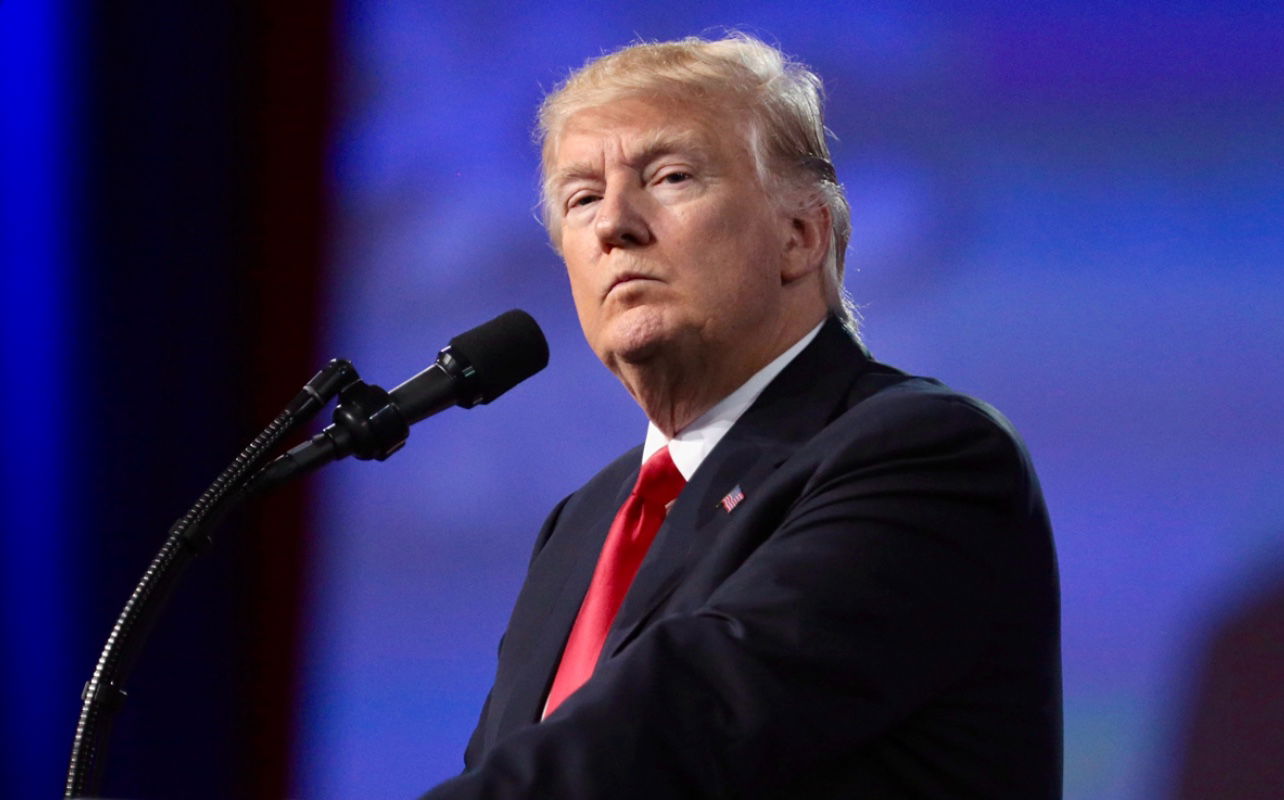
President Donald Trump and his administration are planning a military parade through D.C. streets
President Donald Trump and his administration are planning a military parade through the streets of Washington, D.C., on June 14—days before Juneteenth—which just so happens to be Trump’s 79th birthday—to mark 250 years of the U.S. military.
An Army official confirmed with The Hill that “there are plans for a parade that will involve the Army.”
The official notes that despite Trump’s re-election in November, planning began last year involving Washington’s local government and engineers in the Army and city.
“The Army is very excited to celebrate its 250th anniversary with the entire county. Our intention is for Americans to be proud of their Army and also proud of their nation,” said Army spokesperson Col. Dave Butler. “It’s too early to say yet whether or not we’re having a parade but we’re working with the White House as well as several government agencies to make the celebration a national-level event.”
This Isn’t The First Time Trump Has Considered A Big Military Parade
This isn’t Trump’s first time considering a big military parade over which he would preside. The Washington City Paper reports that he wanted a military parade during his first term but reluctantly canceled it after military leaders said it would cost $92 million. He also canceled plans after District officials complained that the heavy military equipment, including tanks and planes, would destroy the roadways and cost $21 million for parade public safety alone.
It appears there will be no denying him his second term, which has caught some district leaders off guard.
“It’s not clear to me what the scope of a parade would be,” said Arlington County Board Chair Takis Karantonis, who just learned of the plans on Friday.
Karantonis adds, “But I would hope the federal government remains sensitive to the pain and concerns of numerous [military] veteran residents who have lost or might lose their jobs in recent federal decisions, as they reflect on how best to celebrate the Army’s anniversary.”
Jasmine Crockett Called Out For ‘Cotton-Picking’ Comment
Crockett has faced backlash in the past few weeks for her unrelenting comments.
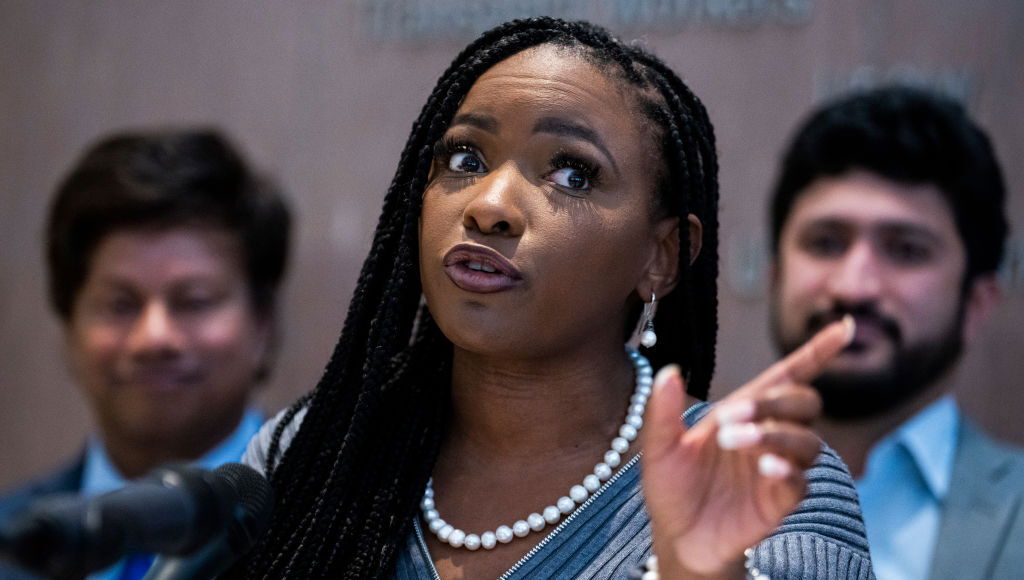
U.S. Rep. Jasmine Crockett has landed in hot water again for her words. The congresswoman was called out for a “cotton-picking” comment she made while defending immigration.
Crockett, who represents Texas’ 30th district, appeared at the Grace Baptist Church 125th anniversary program over the weekend to get real with her constituents. During her speech, she spoke about the necessity of migrants to the U.S. economy, despite Trump’s ongoing deportation threats. Onsite reposted the footage of her controversial remarks.
“So I had to go around the country and educate people about what immigrants do for this country or the fact that we are a country of immigrants. The fact is, ain’t none of y’all trying to go and farm right now,” she said to attendees.
Noticing the silence, Crockett emphasized her assertion that Black Americans were not trying to fill the agricultural jobs that many migrants perform.
“Okay so i’m lying, raise your hands,” she jokingly questioned as the crowed began to laugh. “You’re not. We done picking cotton. We are. You can’t pay us enough to find a plantation.”
“I know that’s right,” said one churchgoer who evidently felt Crockett’s words.
Upon the footage going viral, some social media users felt differently about Crockett’s assumption, especially given the history of Black farmers in the U.S.
“Pure ignorance and a slap in the face to the black farmers of the south that continue to fight the good fight in the agricultural industry. I hate to sound like an Uncle [Tom] but I’m kinda tired of her already. She’s truly educated and ghetto. U can be both. Smfh,” wrote one commenter.
Another commenter noted her apparent comparison of “immigrant jobs” to labor performed by slaves.
“To relegate immigrant jobs to slave labor as if that’s something we should condone or as if that’s the only jobs immigrants work is quite disgusting,” emphasized the social media user.
A commenter also called her words “dangerous rhetoric” that ignores the exploitation of illegal immigrants.
“This is dangerous rhetoric and false information nobody’s saying they won’t go out there to farm it’s just the fact that you would have to pay an American citizen more than you would have to pay an illegal immigrant and it’s a shame that this is coming from a black woman,” typed the user.
Some, however, are happy that Crockett is saying the harsh “truths” out loud.
“She’s correct,” stated a supporter. “There are plenty of jobs right now working on the farms and no one is signing up.”
Another wrote that people’s “fake outrage” is just them not wanting to acknowledge their shared feelings with Crockett.
“SHE AINT LYINGGGG ! The jobs they do with no problem, we are not about to do! So stop lying to yourselves,” shared the commenter.
The backlash comes just weeks after Crockett faced heat for calling Texas Governor Greg Abbott “Gov. Hot Wheels,” given his use of a wheelchair. While many found the jab offensive, others championed the provocative politician for her decision to not keep things political. She also says the phrase was not referencing his medical condition, but his policy to send migrants out of Texas.
Bridging The Gap: Addressing Black Maternal Health Disparities Through Self-Advocacy
Black Mamas Matter Alliance is more than just a campaign. It’s a movement
By Ayanna Alexander-Laine
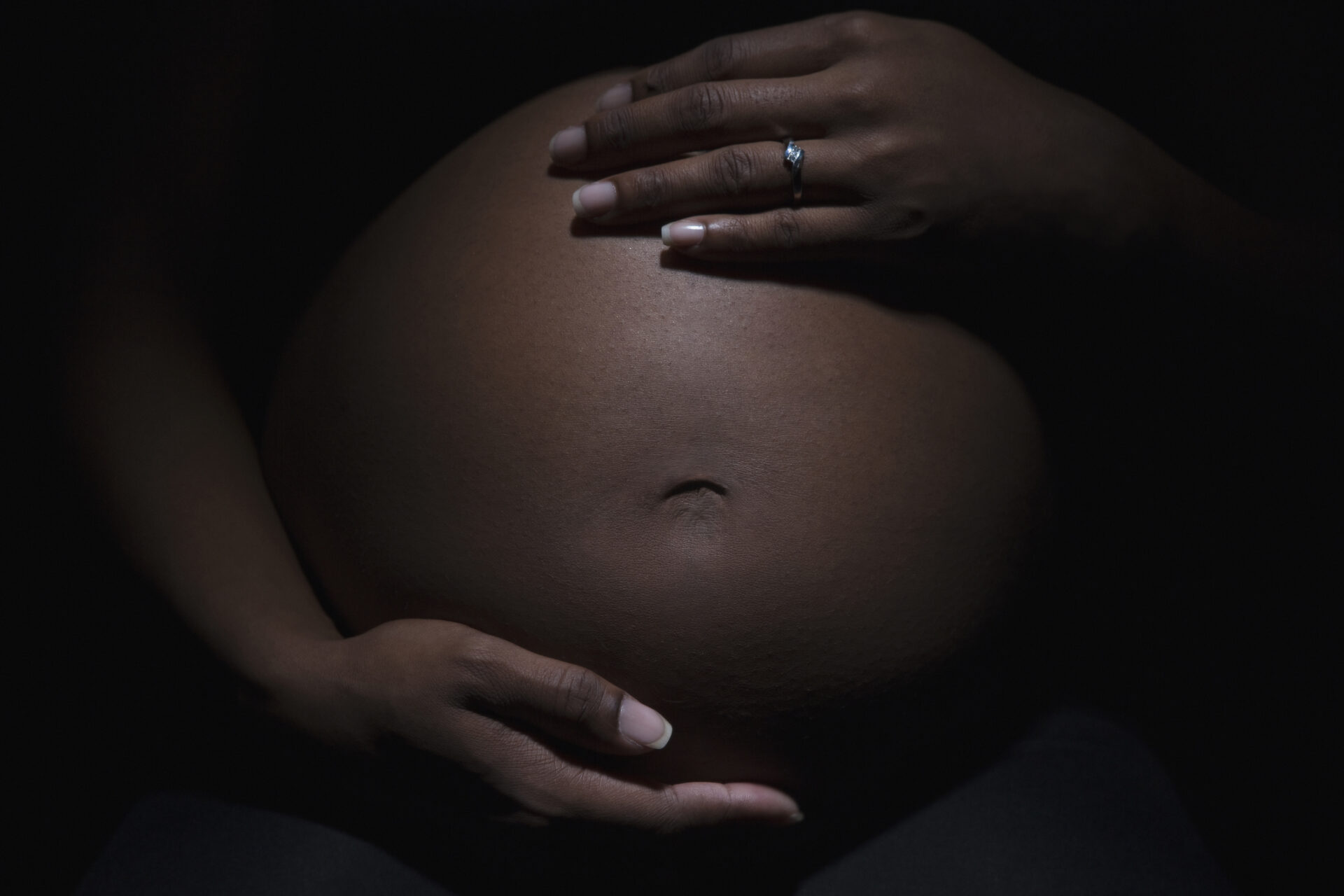
This April, we recognize Black Maternal Health Week (BMHW), a time to amplify the stories and challenges of Black mothers across the country. Held annually from April 11–17 and founded by the Black Mamas Matter Alliance, BMHW is more than just a campaign. It’s a movement.
And for me, it’s deeply personal.
Despite all the accolades—Olympian, academic, entrepreneur—none of them shielded me from the all-too-common challenges Black mothers face in our healthcare system.
I was healthy, strong, and deeply in tune with my body. Yet still, I encountered the kind of maternal health adversity that far too many Black women experience. That’s when it truly hit me: If someone with my level of access to care could still face these disparities, what about the countless Black women who don’t have those same resources?
This is not just a medical issue. It’s a systemic one — rooted in implicit bias, structural racism, and a long history of disregarding Black voices in clinical spaces. While many solutions are needed to address this crisis, one tool continues to stand out: self-advocacy.
This data is not just numbers but reflects lives lost, families forever changed, and a healthcare system that continues to fail Black mothers. What makes this data even more concerning is that the mortality rates increased across all racial and ethnic groups between 2020 and 2021, highlighting the deepening nature of the crisis. Organizations like the Black Mamas Matter Alliance play a critical role in not only raising awareness but also advocating for systemic changes that center Black voices, protect Black mothers, and promote equity in perinatal care. Their work is not just timely; it’s lifesaving.
Self-advocacy, at its core, is about recognizing your worth and speaking up for your needs–even in environments where you’ve been taught to stay quiet. For Black women, self-advocacy can be a literal lifesaver. It’s about asking the hard questions, requesting second opinions, and trusting your intuition when something doesn’t feel right.
Unfortunately, the burden of advocacy often falls on the patient. Healthcare providers are on the front lines, responsible for delivering immediate and adequate care, but implicit bias creeps in, often silently and dangerously. This bias can affect how symptoms are interpreted, how pain is managed, and how urgently care is administered. It’s a matter of life and death.
That’s why self-advocacy is essential. For Black mothers navigating this system, it can start with a few foundational steps:
● Know your rights. Every patient has the right to be heard, respected, and fully informed. You have the right to ask questions, decline procedures, request a different provider, or seek a second opinion at any time.
● Bring a third party/support person with you to appointments. Whether it’s a partner, trusted family member, doula, or friend, having someone present to advocate alongside you can help ensure your concerns are addressed. They can take notes, ask clarifying questions, and speak up if you’re being dismissed or overlooked.
● Document your experience. Keep a record of your appointments, symptoms, and any care concerns. Having detailed notes not only empowers you but also provides a reference point if you feel your concerns aren’t being taken seriously.
● Listen to your gut. If something doesn’t feel right, say so. Use clear, assertive language: “I’m concerned about this symptom and need you to take it seriously,” or “I’d like to revisit this decision and understand all of my options.”
● If a provider refuses a test or treatment you’re requesting, ask them to document that refusal in your medical chart. This not only shows that you’re serious about your concerns—it can also prompt them to reconsider, or at the very least ensure there’s a record that you advocated for yourself. That documentation can be important for future care or if any issues arise.
● Choose culturally competent providers whenever possible. Seek out OB-GYNs, midwives, or birthing centers that demonstrate an understanding of racial disparities in maternal health and a commitment to addressing them.
Another element of self-advocacy is to do research ahead of time on your provider/practice. While it’s not your job to be the expert, familiarizing yourself with basic birth plans, medical terms, and common interventions can help you feel more in control. Knowledge is power and confidence.
While it’s unjust that so much of this responsibility falls on the shoulders of women, these tools can serve as a shield and a voice when navigating a system that too often asks us to be silent.
This is also why cultural sensitivity and anti-bias training must be more than a checkbox; they must become standard practice in every healthcare setting. Providers need the tools to recognize disparities and the courage to address them head-on.
The Role of Doulas and Midwives
Equally essential in improving outcomes is the presence of doulas and midwives. Black mothers who work with these birth workers often experience better outcomes across the board. Why? Because doulas and midwives offer more than support—they offer protection. They help amplify the mother’s voice, serve as advocates in moments of vulnerability, and bridge the communication gap between patient and provider.
Doulas, in particular, offer continuous physical, emotional, and informational support throughout pregnancy, labor, and the postpartum period. They’re not medical professionals, but they play a crucial role in helping mothers make informed decisions and feel empowered in the process. For Black mothers, who are more likely to be dismissed or ignored in clinical settings, that reassurance and representation matter. It builds confidence. It builds trust.
Research also confirms that doulas provide more than just emotional support; they contribute to tangible health improvements. Mothers supported by doulas are significantly less likely to experience complications and more likely to have healthy birth weights and begin breastfeeding successfully.
Midwives are trained medical professionals who provide holistic reproductive care and often practice in community-based or birthing center settings that prioritize respectful, personalized treatment. Their care model is centered around listening, education, and shared decision-making—all key components in creating safer and more affirming birth experiences for Black women.
Together, doulas and midwives offer a powerful combination: emotional grounding, medical guidance, and a commitment to advocacy. In many ways, they restore what traditional healthcare settings sometimes stripped away: dignity, agency, and respect.
In essence, they provide a critical additional layer of care — before, during, and after birth. And for Black women navigating a healthcare system that too often fails them, that support can be transformational. It can mean the difference between trauma and healing, between being heard and being harmed.
When Data Meets Lived Experience
Through my academic research, I’ve examined how implicit bias affects care delivery and maternal health outcomes. I’ve studied how artificial intelligence if left unchecked, can reinforce these same disparities. I’ve examined how certain leadership models can help healthcare professionals rebuild trust with marginalized patients.
But beyond the data, what continues to drive me is the storytelling.
We need more stories. We need more voices. We need to make the invisible visible.
Because statistics can be dismissed, but stories? They move people. They inspire action. They can lead to change.
Looking Ahead – A Call to Action for Leaders
As we recognize Black Maternal Health Week 2025, I encourage everyone, patients, providers, policymakers, and allies, to engage with this issue both intellectually and emotionally.
Listen to Black mothers. Amplify their experiences. Champion culturally competent care. Support and fund doulas, midwives, and community-based birth workers and advocate for the policies that reflect our lived realities, not just data points.
We also need to advocate for more cultural sensitivity training for healthcare providers. Cultural sensitivity isn’t just a box to check; it’s a critical tool in closing the gap in maternal health outcomes for Black mothers. Too often, providers are unaware of the implicit biases and systemic inequities that shape their patients’ experiences and outcomes.
By fostering cultural awareness and humility, providers can begin to recognize how historical mistrust, communication gaps, and unconscious bias contribute to disparities in care. This kind of training and reflection is essential to delivering equitable, respectful care. When providers are equipped with the knowledge to understand cultural context and the awareness to challenge their own assumptions, they’re better positioned to listen, to act with empathy, and to respond in ways that affirm the dignity and needs of women. Ultimately, cultural sensitivity is not about being politically correct–it’s about being clinically effective and morally accountable.
This mission is deeply personal for me — but it’s not mine alone. When we advocate for better care for Black mothers, we’re building a more equitable healthcare system for everyone.
We owe it to ourselves, our families, and the generations to come.
Ayanna Alexander-Laine
Ayanna Alexander-Laine is a distinguished professional with a multifaceted career in athletics, healthcare, and venture capital. Ayanna currently serves as a General Partner at Freedom Trail Capital. She competed in the triple jump at the 2012 Olympics, won two Commonwealth Games medals, and became a 16-time national champion. Currently, Ayanna is a Ph.D. candidate in Business Administration, focusing on health equity, Black maternal health, and the ethical implications of AI in healthcare. Her influential research, published in the International Journal of Management and Humanities, addresses Black health disparities and implicit bias training. Additionally, Ayanna is producing a documentary on Black maternal health disparities and is dedicated to expanding VC opportunities for underrepresented groups.
Black Girl Vitamins Announces First Professional Sports Partnership With Atlanta Dream
Black Girl Vitamins is championing women athletes and their fans to reach their health goals with vitamin supplements.
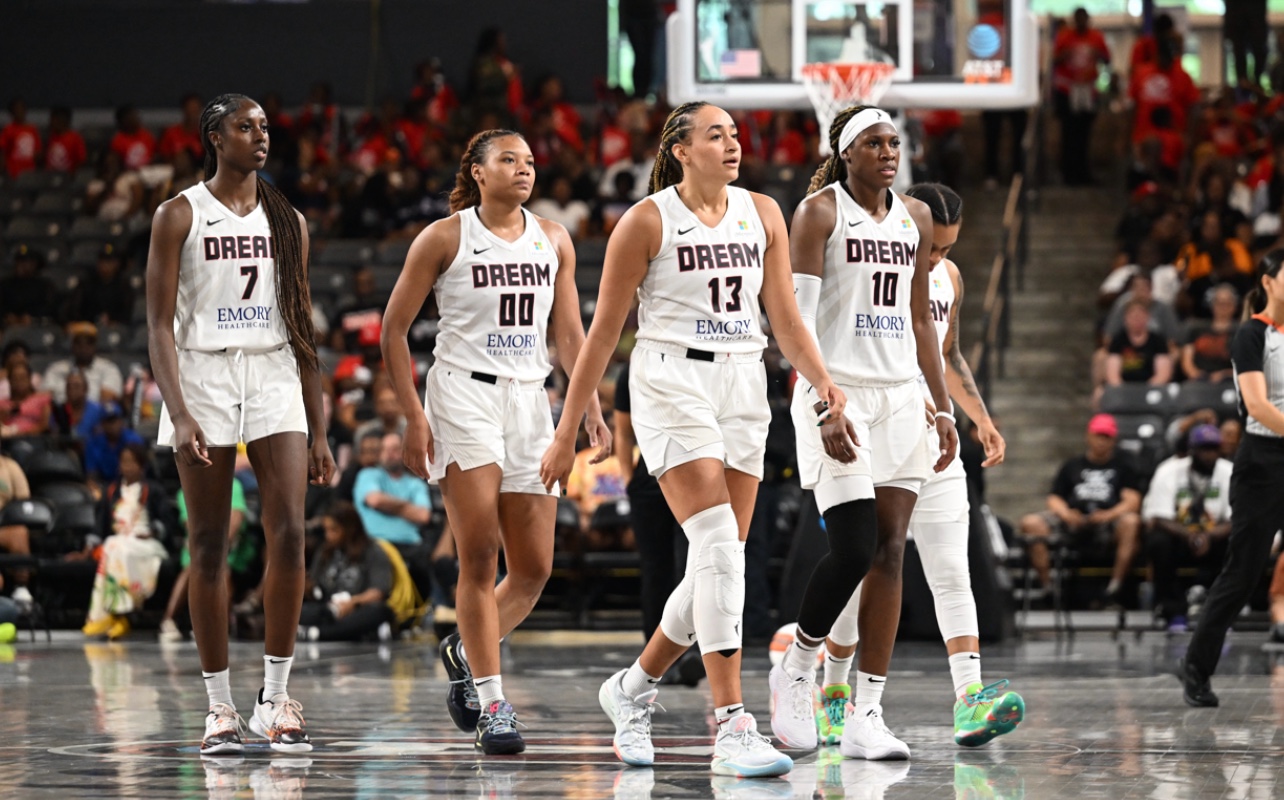
Black Girl Vitamins has announced its first sports partnership with the Atlanta Dream to promote women’s wellness and fitness at a greater scale.
Black Girl Vitamins will be a supporting partner for the WNBA team for its upcoming 2025 season. It hopes to drive engagement for fans on and off the court, championing women athletes to reach their health goals with vitamin supplements. The Black women-owned company confirmed the news on social media and in a press release shared with BLACK ENTERPRISE.
Home game attendees will receive exclusive wellness gift bags throughout the season filled with some of BGV’s best-selling products. With Atlanta as a key market, BGV hopes to elevate this community while highlighting the importance of vitamin supplementation.
BGV offers multivitamin bundles, collagen peptide powders, and more to help women of color, particularly Black women, with a wide range of health goals. For those struggling with hormonal issues or wanting a boost in their beauty regimens, BGV has solutions to address these concerns holistically.
The No. 1 health and wellness brand for Black women will also be featured quarterly in The Atlanta Dream’s newsletter and website. The partnership addresses systemic health disparities among Black women and encourages new fans to support the team while gaining control of their wellness journey.
BGV began its sports partnership by sponsoring Howard University’s women’s basketball team in 2024. Now, it will take on the professional sports realm to connect with an even wider community through this storied franchise.
Since its launch in 2021, BGV has prided itself on promoting health education and accessibility for its target demographic. Making clear that Black women deserve representation in the supplement industry, they are building new relationships to take this mission to the next level.
This partnership also cements its ties to the Atlanta Dream, the Southeast region’s only WNBA franchise. It will offer greater visibility to BGV’s ongoing mission to get Black women the unique nutrients they need.
The company also funds scholarships for Black women in healthcare and supports Black women athletes. Now, BGV’s legacy continues as it prioritizes this underserved demographic in its wellness vision.
NFL Star Khalen Saunders Launches LGBTQ+ Friendly Youth Football Camp
NFL player Khalen Saunders is deepening his support for the LGBTQ+ community with the launch of a new youth football camp.
New Orleans Saints defensive tackle Khalen Saunders has partnered with GLAAD and the NFL Pride Football Combine to launch a summer youth football program that embraces and supports LGBTQ+ youth.
Saunders, whose brother Kameron Saunders is a backup dancer for Taylor Swift, announced the LGBTQ+-inclusive youth football camp at the 2025 GLAAD Media Awards. He shared that his inspiration for launching the camp came from his role as an ally to the LGBTQ+ community.
“Being an ally is more than just saying I support, but it’s also showing up,” Saunders said on NFL Network’s Good Morning Football. “Being in the NFL is very male-dominant and heterosexual, and it feels as though there’s not really a space for the LGBTQ community.”
The St. Louis native expressed his pride in partnering with GLAAD and the NFL Pride Football Combine to help make football more inclusive—an effort that aligns with one of the core pillars of his Original Element foundation.
“These are people who feel like they have to be hidden, although they might love the sport, they might love the NFL, they might love football in general as a sport, but they kind of shy away from it just because of orientations, or all these other kind of outside things,” Saunders said.
“That’s my goal to continue to spread positive energy around that because football is for everybody,” he added. “Football is for all.”
His inclusive mindset traces back to childhood, when he was open to learning ballet moves from his younger brother.
“Back in the day, he’d be educating…he’d be like, ‘Oh that was a pirouette,’ and telling us whatever they’re doing in the class,” Saunders told People in November 2025.
Saunders announced his camp, set to kick off on July 5, alongside former Dallas Cowboys player RK Russell, who publicly came out as bisexual in 2019.