First Of Her Name! Miss Wisconsin Crowns Its First Black Winner In Pageant’s History
The 22-year-old Willow Newell mesmerized the crowd and judges with her vocal talent.
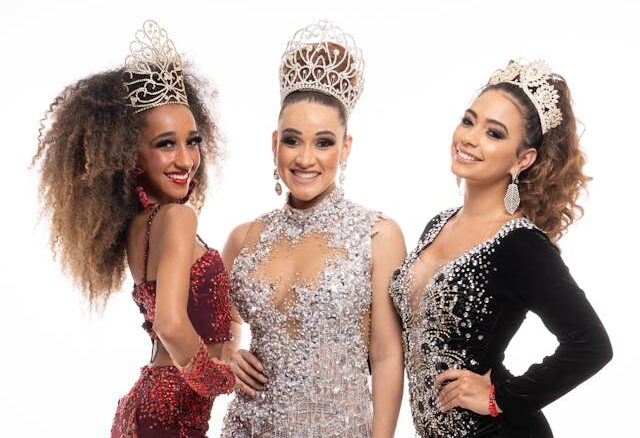
Miss Wisconsin just got a little more melanin. The pageant has crowned its first-ever Black woman winner in its history.
Willow Newell, a 22-year-old from Racine, Wisconsin, took home the title during the June 21 event. WISN confirmed that she made history with her storied win by becoming the first Black woman to accomplish the feat.
“Tonight, I had the opportunity to share my heart with the judges and the state of Wisconsin. My passion and mission in life is to transform lives through the arts, to make everyone feel included, and to create spaces for expression #ExpressionWithoutExclusion,” captioned Newell in her post, detailing her campaign for inclusivity.
She added, “It is an absolute honor to be the first Black woman to represent the state of Wisconsin! And I cannot wait to step on the Miss America stage and meet all of you while serving this beautiful state I have the privilege of calling home!”
Newell will receive $13,000 in scholarships from the Miss Wisconsin Scholarship Organization, along with other gifts and awards to accompany her crown. Her singing performance in the talent portion of the event also scored her another $2,300 scholarship as the top-scoring vocalist.
Newell beat out 29 other contestants who vied to represent America’s Dairyland. An alumna of Carthage College, she graduated from the institution this year with a Bachelor of Arts in Musical Theater. The seasoned vocalist has had roles in both community and collegiate theater productions.
However, she will take a new stage in the upcoming months. As the newly crowned Miss Wisconsin, Newell will compete in the Miss America 2026 pageant. The national event takes place this September in Orlando, Florida.
If she wins, she will continue to make history as a Black woman in the pageant world. She is now vying to become the ninth Black woman to win Miss America, with the most recent crownholder being Nia Franklin in 2019.
Georgia Woman Sues Housing Authority For $5M, Says She Paid Rent Despite Unsafe Living Conditions
Brianca Sheely says she was forced out her Warner Robins apartment despite being a lawful tenant.
A Georgia woman is taking her issues with her local housing authority to the federal courts.
Brianca Sheely has sued the Warner Robins Housing Authority for $5 million. In her legal filing, she claims her landlord evicted her from the apartment despite paying rent and reporting dangerous living conditions.
According to 13WMAZ, Sheely’s lawsuit alleges mold, gas leaks, water damage, and malfunctioning appliances plagued the housing complex. Despite these issues, Sheely proclaimed that she had always paid her rent on time, which led to her confusion when she faced eviction from the Campbell Homes complex.
“If you know as a human being no one should be living in filth like that, why would you place me in it?” questioned Sheely.
Before her forced removal from the apartments, Sheely said she had tried to report these safety hazards to management and city agencies. However, she claims she received minimal resolution for the issues. Despite an inspector coming by to inspect the mold, Sheely asserted that nothing was done to help alleviate the concerns.
The lack of response led Sheely to question management, especially with her health potentially at risk.
“I really thought about that mold and breathing it in, health-wise, respiratory-wise. It’s not good. I wasn’t brought up like that, so why am I bringing my kids around that?” wondered the mother.
The issue escalated, however, when Sheely saw her eviction notice in April for seemingly no reason. Her filing details that Sheely was disputing a charge when management decided to remove her.
She insists that the lofty $5 million is not just to cash in, but to teach the owners a lesson on how to treat residents.
“I’m not suing them for money, I’m suing them for the lack of sympathy,” she proclaimed.
The Georgia Federal Fair Housing Act and landlord-tenant laws dictate that landlords must provide safe and habitable housing, as detailed on Doorloop. On the other hand, tenants must fulfill their end of the bargain, such as paying rent on time and maintaining the property’s cleanliness.
Landlords can only file an eviction if a tenant violates certain lease agreement terms, including non-payment of rent, abandoning the property after the lease has ended, or damaging the unit. However, Sheely believes she did none of the above.
If she does get the money, she intends for it to cover compensatory damages for her emotional distress, living conditions, and violations of her tenants’ rights.
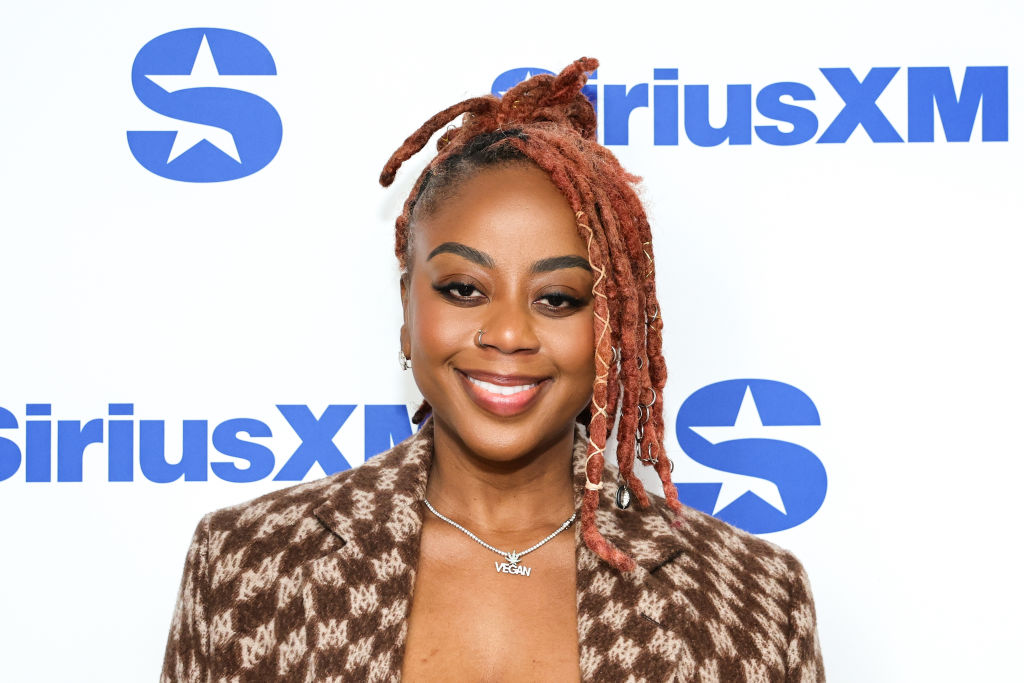
Slutty Vegan’s Hartsfield-Jackson Airport Location Withdrawn Amid Company Restructuring
Slutty Vegan's plans for a location at Hartsfield-Jackson Atlanta International Airport have been withdrawn.
Slutty Vegan’s planned location in Concourse B at Hartsfield-Jackson Atlanta International Airport has been withdrawn two years after the concept was initially approved.
Airport officials recently approved a request from Slutty Vegan’s concessionaire partners to replace the planned Concourse B location with two new concepts: Buffalo Wild Wings and an Asian-Southern fusion spot called Wu Tang Asian Kitchen. Both are set to open in December 2025, according to the Atlanta Journal-Constitution.
“Delaware North’s original concept for Slutty Vegan has been withdrawn. We are reviewing new requests and will work with the concessionaire to make the best decision for our passengers,” an airport spokesperson said.
The canceled airport location comes just two months after Slutty Vegan Founder Pinky Cole Hayes revealed that she temporarily gave up control of the company through an “assignment for the benefit of creditors,” but was able to repurchase it six weeks later. Cole cited cash-flow challenges and high corporate overhead as key reasons behind the decision to restructure her popular vegan food chain.
Cole had big plans for the Concourse B location, telling AJC’s The Monica Pearson Show in April 2024 that it would launch in the third quarter as “the first vegan concept ever to be in the airport.” However, by November, concessionaires were informed of “potential business and financial difficulties within the Slutty Vegan organization,” according to unearthed documents.
Soon after, Slutty Vegan announced it was searching for a new president, a role that was officially filled earlier this month by tech entrepreneur Lauren Maillian. By January 2025, the concessionaire team, comprising Delaware North and H&H Hospitality, opted to scale down the Slutty Vegan concept and introduce another brand to share the Concourse B space.
By February, the concessionaire team had released a change request stating that Slutty Vegan was “no longer sustainable or viable for this location” and was seeking replacement brands. The announcement came the same month that Cole temporarily lost control of her company.
H&H founding partner Randy Hazelton said the license agreement with Slutty Vegan “became null and void as a result of Slutty Vegan losing ownership of the brand while going through the restructuring.”
“The decision was made due to the uncertainty of the direction of the brand in light of this event,” he said.
Cole is still moving forward with her company’s expansion into new vegan food concepts and lifestyle products. Last month, she opened the first vegan hoagie location, called Voagies, on Ralph David Abernathy Boulevard and teased possible brand partnerships, as well as cosmetics and clothing.
Slutty Vegan 2.0 is bigger than just food,” she told UATL. “It’s a lifestyle brand, and I want people to see that and know that.”
WHO KNEW? Michael Jordan Leaned Toward Signing With Adidas, But They Couldn’t Match Nike’s Offer
'I went with Nike and they centered everything around myself,' Jordan said.
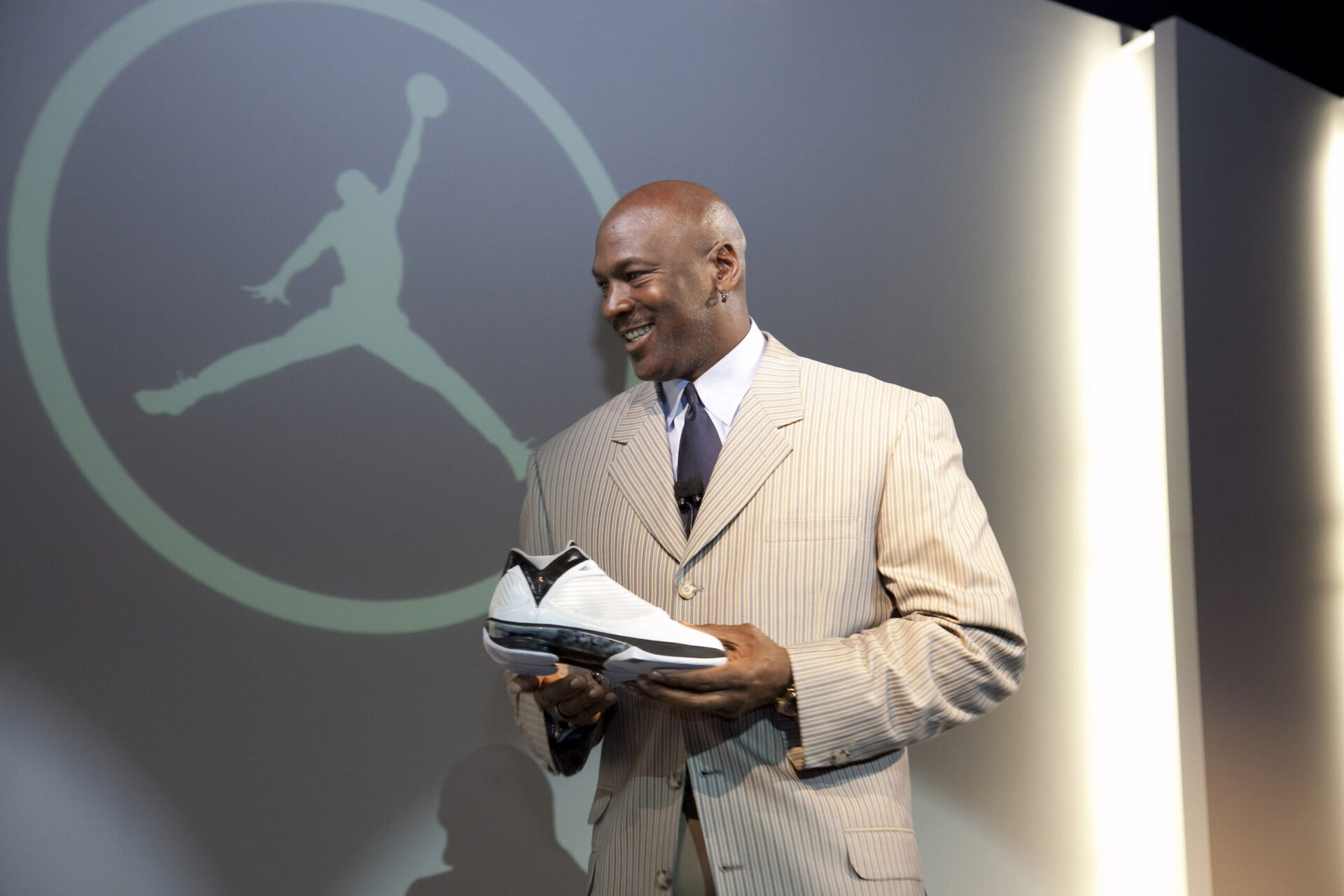
If not for the fact that sneaker brand Adidas couldn’t match a much better offer from upstart Nike, NBA Hall of Famer Michael Jordan would have signed with the German company at the beginning of his storied basketball career.
The Basketball Network unearthed an old video clip of Jordan discussing the decision to roll with the company that helped him set the tone as a legendary pitchman with Nike. With bigger names at the time having a lock on endorsing athletes, Converse and Adidas were in the mix when it came down to trying to get in business with Jordan. Jordan even admitted that he was an Adidas man upon entering the NBA and would have preferred being involved with them.
The University of North Carolina alum also wore Converse while playing during his collegiate years. He said that he “really liked” the Adidas brand, and during negotiations with them, he allowed them to match the offer being made to him by Nike. That deal included Jordan’s involvement in the design and marketing of the shoe. The sneaker affiliated with Jordan would also have to meet the basketball player’s approval.
“I really liked Adidas,” Jordan stated. “So I went back to Adidas, hearing what Nike had proposed to me and said, ‘If you match it, I’ll go with Adidas.’ And they actually never matched the deal. They couldn’t even come close.”
That was ultimately the deciding factor for the Chicago Bulls legend.
“I went with Nike and they centered everything around myself,” Jordan said. “And gave me the option to create with the basketball shoe, put my input, give my input on the basketball shoe in terms of the way I like it, and from that point on, it just kind of rolled.”
It seems that Jordan made the right choice, as he has his own signature company, Jordan Brand, where he remains involved in executive decisions for Nike.
Georgia Woman Found and Extradited After Scamming Dollar General Stores With Fake $20s
The woman was found with her accomplice, who was already under investigation by the U.S. Secret Service.
A Georgia woman has been extradited from Oklahoma after being accused of using counterfeit $20 bills at multiple Dollar General stores.
Imani Alexis Taylor thought she was in the clear from her money scheme. She was attempting to evade warrants against her in Georgia when she traveled to Oklahoma City.
According to WSB-TV, the arrest followed an investigation in April for her alleged use of counterfeit $20 bills to purchase items at a Dollar General in metro Atlanta. The investigation led to the discovery of her scheme at various stores, exposing her counterfeit operation.
However, a chance traffic stop led to her long-awaited arrest for the headline-making case. Police had initially asked the public in April to help identify and locate Taylor as a major player in the operation, using security footage to confirm her involvement.
Upon her arrest, she was found with Ramel Stallings. The 37-year-old was considered the ringleader of the counterfeit scheme. The duo also had merchandise and receipts from Dollar Tree in their vehicle, which they had purchased in other cities, including Kansas City.
Taylor was transported to Covington, Georgia, for her active warrants. However, the investigation connected her use of counterfeit bills across multiple Georgia counties. This includes Spalding, Coweta, and Newton, where the city of Covington is located.
The Georgia woman faces a forgery charge in one of the counties. However, she and her alleged accomplice have also drawn the attention of federal agencies. The U.S. Secret Service already had eyes on Stallings after the man left a bag of counterfeit money in a hotel room in Tennessee.
According to Law Info, passing counterfeit money can lead to a jail sentence of up to 20 years. Given the involvement of multiple agencies, Taylor and Stallings may face federal and state charges for their alleged crimes. A judge can also order fines of up to $250,000 in the event of conviction.
IKYL: Pastor Jamal Bryant Slams National Baptist Convention For ‘Selling Out’ With $300K Donation From Target
In a statement from NBC President Dr. Boise Kimber, he defended Target's partnership, alleging they share similar commitments.
Pastor Jamal Bryant took some time to call out his denomination at the National Baptist Convention (NBC) for allegedly “selling out” and accepting a $300,000 donation from Target, where Bryant started a 40-day boycott.
While at the pulpit, Bryant accused the retail giant of bypassing him and cozying up to his denomination to win over Black consumers following backlash over its pullback on diversity, equity, and inclusion (DEI) initiatives. Bryant was one of several religious leaders, including Rev. Al Sharpton, who initiated a boycott in retaliation for the move. With his sermon, the pastor of New Birth Missionary Baptist Church in Stonecrest, Georgia, publicly reminded them that the battle is still on.“
“You thought you were going to go around me and go to the National Baptist Convention and go out for $300,000?” he asked.
“Are you crazy to think that we gon’ sell out for chump change? You must not know who we are!”
View on Threads
Journalist and CEO of Nu Vision Media, Roland Martin, blew the whistle on NBC accepting Target’s partnership. He stood with Bryant in his disdain, accusing the denomination of “selling out Black America with Target.” “I know for a fact they’ve received $300,000 from Target. And so what you have literally is the National Baptist Convention, USA, selling out Black America with Target,” Martin said, according to Eur Web.
“Oh, I can read the press release ’cause y’all gotta understand I ain’t got no problem calling anybody out. I use names. I tag your ass on social media.”
In a press release, NBC President Dr. Boise Kimber stated that the partnership is based on a “shared commitment to community empowerment through small-business and entrepreneur development, investments in education and student support, and workforce and skill development that unlocks growth across our communities.”
Despite backlash from Martin, Bryant, and others, Kimber claims the donation will help the church “provide scholarships, support senior citizens, and invest in entrepreneurship programs that uplift our people and the future.”
However, critics label the donation as crumbs compared to a company that made more than $4 billion in 2024.
The events transform Pride joy with powerful platforms
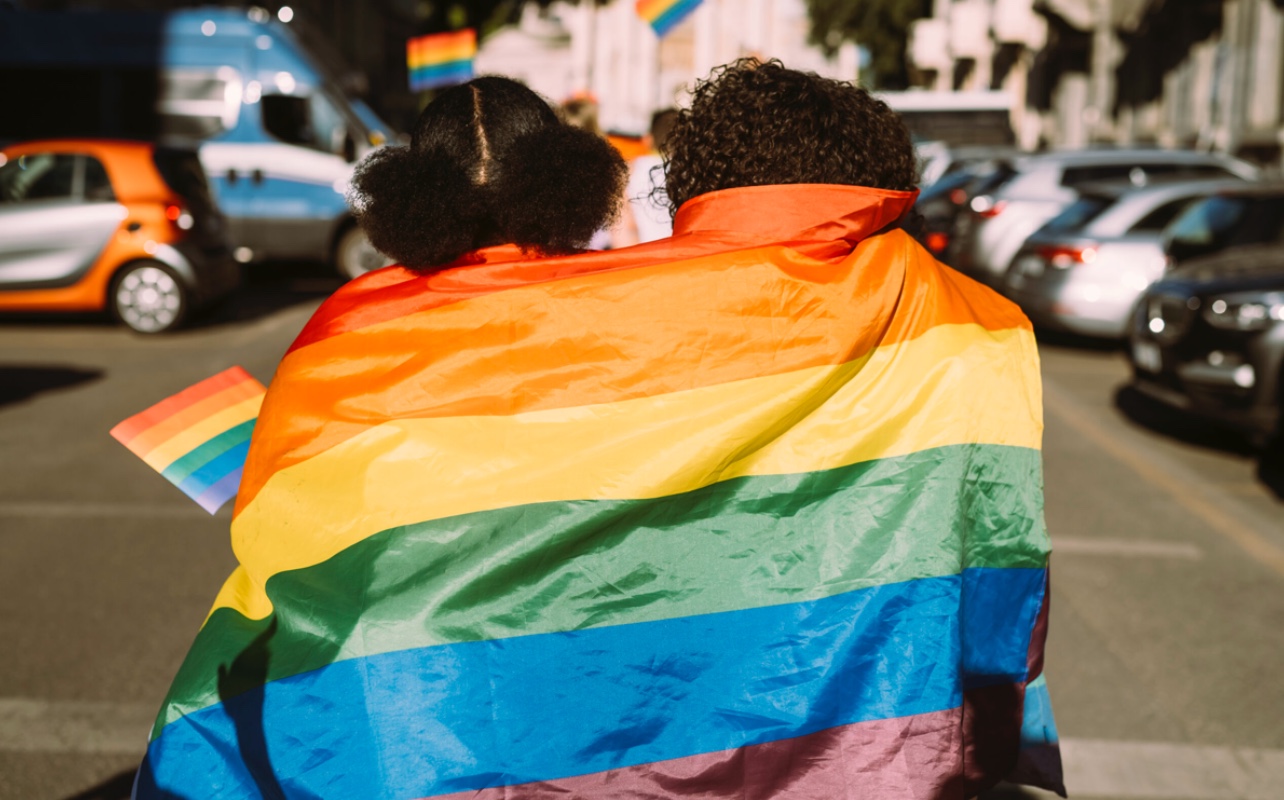
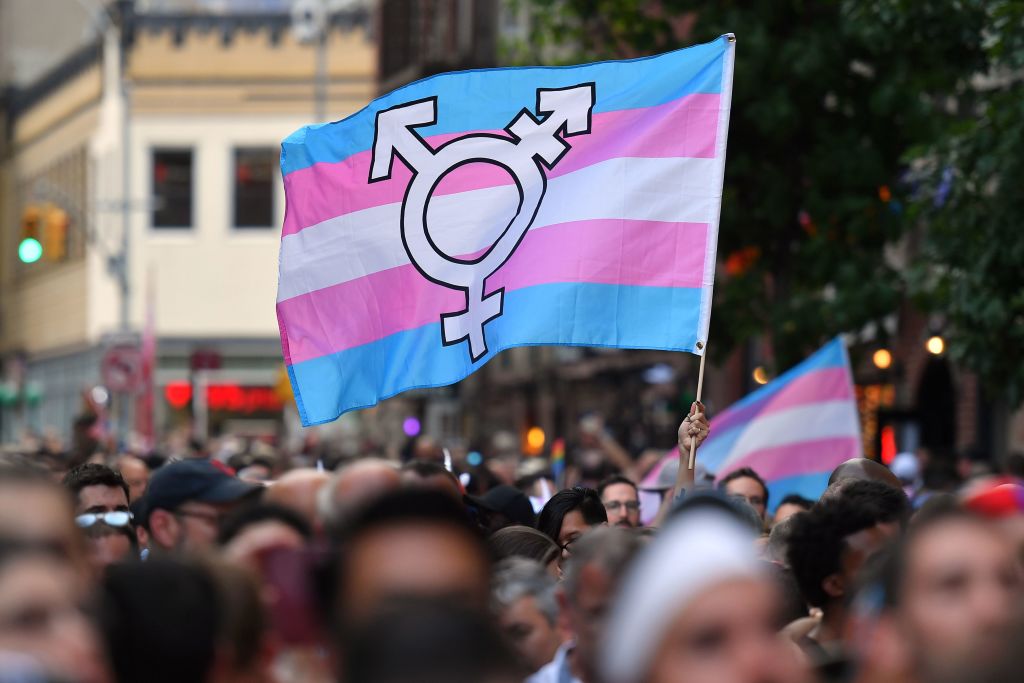
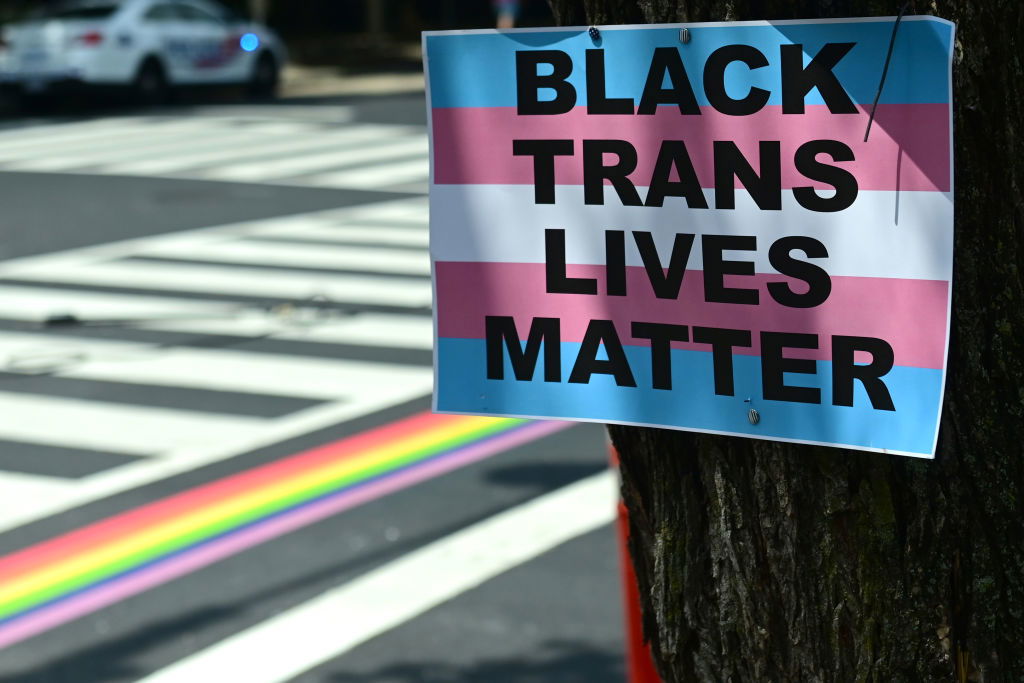
Parades alongside small community gatherings transform Pride joy and present powerful platforms where LGBTQ+ visibility, protest actions, and celebratory activities occur. Global cities annually celebrate Pride events that emerge from their unique cultural, political, and historical influences. These Pride events produce resonating moments for attendees beyond rainbow flags and festivities, including affirmations of identity, feelings of unity, and personal transformation experiences. Here are eight Pride events that distinguish themselves through unique and memorable experiences beyond mere size or spectacle.
San Francisco Pride Celebration
(Photo: Angela Weiss/AFP via Getty Images)
The San Francisco Lesbian, Gay, Bisexual, Transgender Pride Celebration Committee organizes the two-day festival and iconic parade known as the San Francisco Pride Celebration, which takes place on June 28–29. The event showcases more than 250 parade contingents along with vendor booths and dance stages while offering community programming and hosting both Trans and Dyke Marches. The celebration stands as one of the world’s largest and most historic Pride experiences delivering vibrant representation, intersectional activism and deeply rooted cultural programming around Queer joy as resistance. Headliners at the community stages are Saucy Santana and TS Madison.
Houston Pride LGBT+ Celebration
(Spencer Platt/Getty Images)
The Houston Pride LGBT+ Celebration is a lively downtown festival and parade that goes down on June 28. Pride Houston manages this event, in its 47th year, showcasing regional talent, community energy, and drag shows. The live performances and a vendor village draw repeat attendees.
Black LGBTQ+ Beach Day
(Photo: Shutterstock)
Lighthouse Foundation of Chicagoland is the organizer for Black LGBTQ+ Beach Day, an inclusive beach party that takes place at Chicago’s 63rd Street Beach on June 21. Black LGBTQ+ individuals have the opportunity to relax and build connections at this lakeside event, where they celebrate by the water as DJ Rae Chardonnay spins. Partygoers can take advantage of health activations, testing, and receive vaccinations for COVID-19 and mpox.
Southern Fried Queer Pride
Photo by Shannon Finney/Getty Images
Southern Fried Queer Pride presents an energetic grassroots festival in Atlanta. The event is a multiday arts celebration in the final week of June. A multitude of activities, including drag performances, workshops, panels, and dance events that center queer and trans people of color. Southern Fried Queer Pride celebrates radical joy amid skill-sharing and culture-driven programming. Activities to look out for are the “transistance!” open mic night; the Peach Pit Pageant and Hawt Sauce: A Queer dance party—for all ages.
New York City Drag March
Photo by: Joan Slatkin/UCG/Universal Images Group via Getty Images
A punk-rooted drag visibility protest march organized by the Grassroots Drag March Collective kicks off at Tompkins Square in Manhattan’s East Village on June 27. The drag march finishes at Stonewall. This protest march stands as a tribute to queer liberation activism while confronting corporate Pride structures.
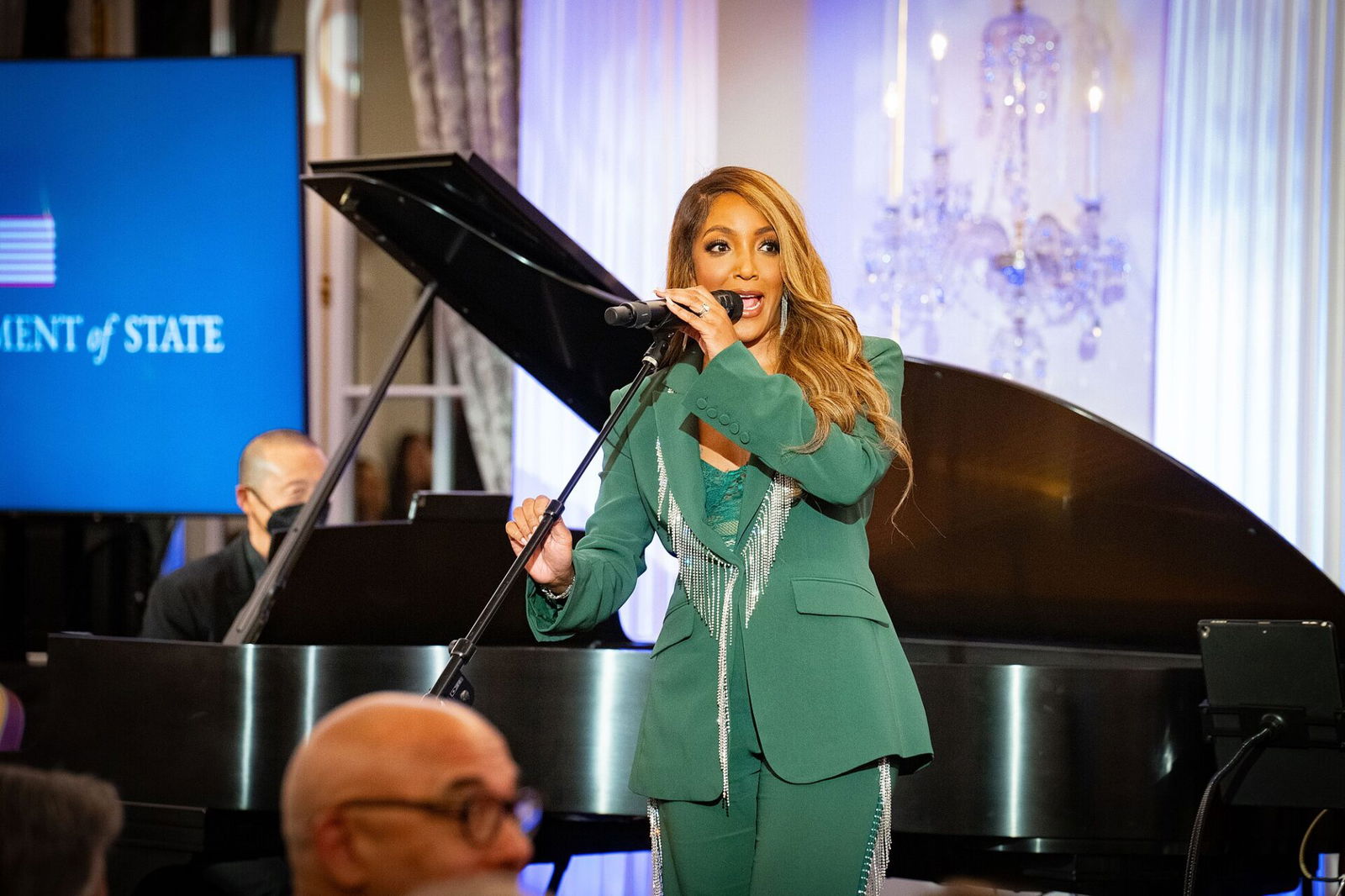
Mickey Guyton Reflects On ‘Black Like Me’ And The Road Country Music Still Has To Travel
The singer’s s influence has stretched far beyond the music charts
When Mickey Guyton released “Black Like Me” in June 2020, it was meant to be a mirror. Written during a time of political unrest and released against the backdrop of George Floyd’s murder and global protests for racial justice, the song was both a cry for understanding and a courageous act of truth-telling. “If you think we live in the land of the free,” she sang, “you should try to be Black like me.” That line alone cracked open country music’s often rigid identity and forced an industry known for its tradition to face the lived reality of one of its own.
Five years later, Guyton reflects on the song’s legacy from halfway across the world in China, where she’s still sharing her voice and experience with new audiences. But her message hasn’t softened.
“I just remember the pain I felt,” Guyton tells BLACK ENTERPRISE. “Yes, it was a beautiful song, but it sucked that it took such horrific events for people to pay attention. Finding success in that wasn’t necessarily a happy thing.”
Despite the song’s Grammy nomination (the first ever for a Black woman in the Best Country Solo Performance category), Guyton says the moment came with the weight of responsibility, not celebration. “There was so much, and still is so much, turmoil in the world,” she says. “And I feared people would just move on, go back to the way things were. That’s very much happening in real time.”
Since “Black Like Me,” Guyton’s influence has stretched far beyond the music charts. She’s sung the national anthem at the Super Bowl, graced the GRAMMY stage, hosted award shows, and most importantly, opened doors for a new generation of artists.
She also played a pivotal role in a major shift within the Recording Academy. This month, the Grammys announced a new category for the 2026 awards: Best Traditional Country Album, effectively splitting the former country album category into two — traditional and contemporary.
“It’s something we’d been fighting for since at least 2017,” Guyton says. “Before, you had contemporary artists like me up against legends like Willie Nelson and Dolly Parton in the same category. It wasn’t fair to either side. The voters didn’t always listen to all the albums. They voted based on name recognition. This change gives more artists a real shot.”
For Guyton, the change isn’t about segregation — a misinterpretation she’s seen online, instead, she believes the shift favors representation and recognition. “What is the artist’s intention? If they say it’s a country album, we should honor that. That’s what I’ve been fighting for.”
And she’s quick to give credit where it’s due: “Thank you, Beyoncé. Honestly, she has helped make those changes by her existence alone.”
This Juneteenth, the intersection of freedom, music, and Black identity feels more potent than ever. For Guyton, it’s personal and necessary.
“Beyoncé releasing Cowboy Carter… seeing fans in cowboy boots and line dancing… I see a sense of freedom within the Black community,” she says. “It’s the epitome of what Juneteenth is. But I’m still in a lot of pain. I think that this is so necessary for our peace and our community right now, at this particular time in America.”
Guyton reflects on the emotional toll of the last five years — from political exhaustion to the need for community. “I hosted the White House tree lighting one year and told one of the Black women working the event, ‘I don’t think I can ride at dawn anymore.’ She said, ‘We are resting at dawn.’ That’s where I’m at. I need to be with people who heal me.”
Still, the shifts she’s witnessed since 2020 give her a cautious sense of hope. “It’s not that people didn’t like country music. Black Like Me gave them permission to dream within the genre,” she says. “There’s this outlaw, underground world of country now — and it includes artists who don’t fit the old mold. But I still hear labels telling new Black artists, ‘There’s no market for Black country.’ That’s not just wrong — it’s dangerous.”
For young Black women who love country music but don’t see themselves in the mainstream, Guyton offers this: Do it your own way.
“Every single one of us who made it had to go around the system. Find a team that won’t try to change who you are. Build your audience. Own your story. Some 60-year-old white man doesn’t know what the culture needs more than you do.”
It’s a message that she says comes not from triumph but from hard-won experience. “I’ve been put through the wringer. I’m a broken person. But I say this so the new generation doesn’t have to be.”
So what does she want people to say about “Black Like Me” in 2030?
“I hope it becomes an evergreen song — like Marvin Gaye’s What’s Going On. Something that lives in the history books and captures exactly how people felt and still feel,” she says. “Because sadly, it’s the same script, different cast.”
And for those who ask what they can do to support the movement beyond social media posts or hashtags, she’s crystal clear: Put your money and streams where your mouth is.
“Beyoncé’s fans loved Cowboy Carter, but those featured artists? Some of them lost record deals even after being on that album. If every fan just streamed one of their songs, bought a $1.99 sticker, went to a show — that could change lives. We’re still here. We’re still making country music. We just need the support.”
Guyton will be performing in China, speaking about her Black experience as an American woman, using “Black Like Me” as a tool to educate and connect. Because five years later, Mickey Guyton’s voice still rings out with truth. And she’s not done yet.
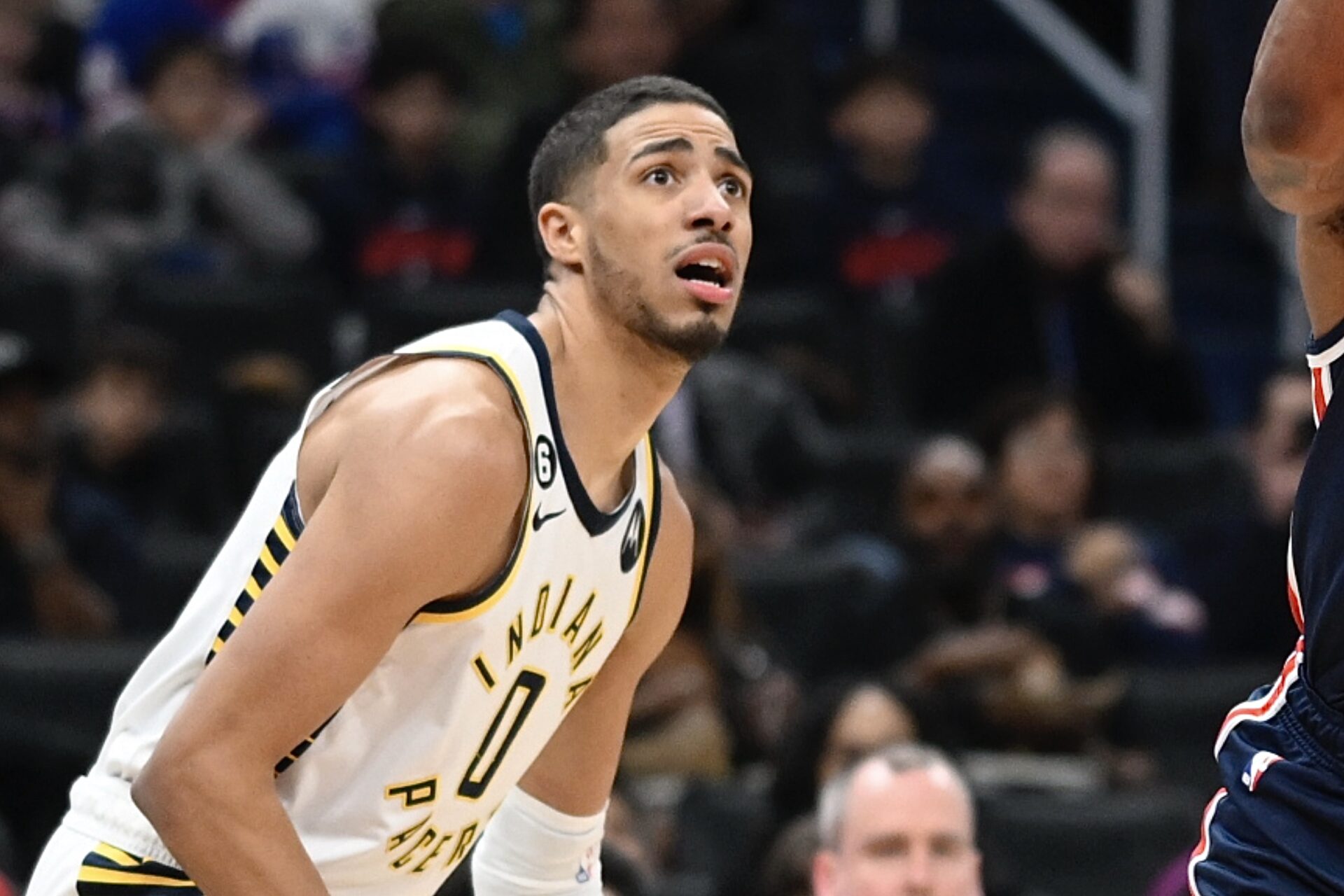
Tyrese Haliburton Suffers Achilles Injury, Indiana Pacers Lose NBA Finals To OKC Thunder
The Pacers lost the guard to the injury and then the NBA Finals
The Indiana Pacers suffered twice on June 22 as they lost the NBA Championship and one of their star players, Tyrese Haliburton, to an Achilles injury.
According to The Athletic, in the series-ending game of the NBA Finals, Haliburton, who was already playing with a calf injury that he suffered in Game 5, succumbed to what was described as a “right lower leg injury” when he went down. The Pacers’ title shot and chance at taking home the championship went down when Haliburton fell to the floor in the contest’s first half.
The guard, who has proven to be the heart and soul of the team, had scored nine points (three three-pointers) before being taken out by the injury later determined to be to his Achilles. The injury occurred as he was dribbling the basketball, and, without a touch from anyone on the court, he fell and screamed in agony as he knew that his time in the game had come to an end.
“What happened with Tyrese, all of our hearts dropped,” Pacers coach Rick Carlisle stated. “But he will be back. I don’t have any medical information about what may or may not have happened, but he’ll be back in time, and I believe he’ll make a full recovery.”
Even after injuring his calf in Game 5, he was having a good series. He stayed in the game and even suited up for Game 6 to help his team tie the series to force a game seven. He was averaging 14.8 points and 6.8 assists in the NBA Finals.
The Pacers were leading by one point at halftime, but his presence was missed as they couldn’t get over the hump of Haliburton not being on the floor.
“I’m proud of that kid, you know,” his teammate, Pascal Siakam, said. “He went through so much during the year. A lot of criticism. It’s a lot for a young kid to go through, and like he had a lot of stress, a lot of — and he just kept fighting. He kept fighting every single day.”
The Oklahoma Thunder won the game 103-91 to end the series and become the 2025 NBA champions.
Former KC Chiefs Employee Sues Team For Racial Discrimination, Wrongful Termination
Ramzee Robinson is seeking $5 million in damages plus declaratory and equitable relief.
Ramzee Robinson, a 41-year-old Black man who worked for the Kansas City Chiefs as the director of player engagement, has sued the organization over nine years of discriminatory actions he claims the team took against him, including his termination in February.
According to The Athletic, Robinson, a former NFL cornerback, filed his complaint with the Missouri Western District Court. He is seeking $5 million in damages plus declaratory and equitable relief. In his lawsuit, he says that his employment with the team ended with a $125,000 salary, but this sum was an underpayment. Similar employees around the league earned an average salary of $171,932.
In the lawsuit, Ramzee Robinson claims that he was called into a meeting in February and accused of attacking a female co-worker, and that the Chiefs refused to show him security video of the encounter.https://t.co/QgQYh3jGtc
According to the lawsuit, Robinson attempted to bring this matter to Chiefs president Mark Donovan, but his compensation review was denied and he was informed that he had received previous increases.
In the most shocking allegation, Robinson said Kristen Krug, the team’s vice president of administration, accused him of assaulting a white female worker, Melissa Weinsz, one of his direct employees in February 2025. According to the lawsuit, Robinson requested to view a video that existed of the assault, Krug did not allow him to see it, and later fired him. Weinsz assumed Robinson’s position “within days” of his termination.
Robinson’s lawsuit also contains allegations that the Chiefs pay Black employee less than white employees, citing a Black woman executive’s salary which was $50,000; but upon her resignation, the role was filled by Weinsz, who was paid $80,000 for the same work.
“We can’t comment because it’s an active legal matter,” Brad Gee, the Chiefs’ vice president of football operations, told Pro Football Talk. said. “But to be clear, the Chiefs do not tolerate discrimination of any kind. We look forward to the facts of this case coming to light.”
Robinson, who was the last pick of the 2007 draft, was selected by the Detroit Lions. He remained in the league until 2012, playing for multiple teams, mostly as a practice squad player. Now, according to his LinkedIn account, working as a Trauma Focused Talk Therapist with the Jackson County Children’s Division, a position he has held since 2020.