Depo-Provera, African American women, Black women,, cancer, brain tumors,Meningioma, risks

Depo-Provera Risks and Racial Disparity: As Brain Tumor Lawsuits Mount, Critics Recall History Of Targeting Black Women

The controversy is particularly important to Black women, who use the injectable contraceptive at nearly double the national rate


Decades after receiving regular injections of the hormonal contraceptive Depo-Provera, an estimated 1,300 women are now suing manufacturer Pfizer, alleging the company failed to adequately warn users of potential links to meningiomas—tumors, usually non-cancerous, that form in the brain and spinal cord lining.

The mounting multidistrict litigation (MDL) in Florida and federal court follows recent studies suggesting a heightened risk, even as medical groups caution that the overall odds of developing the tumors remain small. 

The controversy is particularly important to Black women, who use the injectable contraceptive at nearly double the national rate, according to the Centers for Disease Control and Prevention.

At the center of the legal challenge is the synthetic hormone in Depo-Provera, medroxyprogesterone acetate (MPA). Recent observational research has raised red flags regarding its long-term use:

  • Brain Tumors (Meningioma): A study published last month in JAMA Neurology linked MPA with a twofold increased risk of meningioma. This echoed a 2024 analysis in The BMJ, based on French data, which found a fivefold increase in risk for women who used the contraceptive for more than four years. Dr. David Raleigh, a brain tumor specialist at the University of California, San Francisco, noted that progesterone (which progestin in Depo-Provera mimics) acts as “fuel on the fire” for these tumors, which are already more common in women than men.

  • Lead Exposure: A 2020 study by Michigan State University, which examined African American women, found that current Depo-Provera users had, on average, 18% higher levels of lead in their blood. Researchers hypothesize that this is due to the drug’s known side effect of bone mineral density loss, which releases lead that is stored in the bone. The study’s lead author, Kristen Upson, stated, “the widespread scientific consensus is that there is no safe blood lead level.”

Despite these findings, physicians underscore that the total risk of developing meningioma remains statistically low—about 39,000 cases are diagnosed annually in the U.S. Dr. Colleen Denny of NYU Langone Health pointed out to NBC News that Depo-Provera reduces the risk of uterine cancer, a more common threat. 

The American College of Obstetricians and Gynecologists (ACOG) urged caution, calculating that the risk of meningioma increases from one in 10,000 women to five in 10,000 women using the drug.

Pfizer, which manufactures the drug, denies liability and has moved to dismiss the MDL. The company maintains that it stands behind the safety and efficacy of the drug.

Facing over 1,300 plaintiffs, Pfizer’s core legal strategy hinges on federal preemption. The company contends it attempted to update the Depo-Provera label with a tumor warning following late 2023 epidemiological studies, but the Food and Drug Administration (FDA) rejected the proposal. 

Pfizer argues that failure-to-warn claims are preempted when the FDA denies a labeling change, placing the ultimate authority on the federal agency. The litigation held a key federal preemption hearing on Sept. 29 in Pensacola, Florida.

The ongoing lawsuits and the disproportionate use among Black women have resurfaced decades-long critiques of Depo-Provera, connecting the current litigation to a history of reproductive oppression. Depo-Provera was denied FDA approval three times between 1967 and 1983 due to links to cancer in lab animals. 

During this period, the drug was used without informed consent on thousands of women at clinics like the Grady Clinic in Atlanta, where 50% of subjects were low-income Black women. 

Its eventual FDA approval in 1992 occurred despite the opposition of prominent health organizations representing women of color, including the National Black Women’s Health Project, which cited both safety concerns and coercion.

This history resonates internationally:

South Africa: During apartheid, the government intensified advertising campaigns in urban areas, targeting Black and mixed-race women with Depo-Provera, often making its use compulsory after childbirth or a condition for factory employment. Critics framed this as an implicit goal of population control rather than family planning.

Zimbabwe: In 1981, the Minister of Health banned Depo-Provera, alleging it was a racist political tool used by the former Rhodesian Front to control the majority Black population. Reports surfaced of women being coerced into accepting injections under threat of losing employment or denying their children medical treatment.

In the United States, this practice mirrors the eugenics movement of the early 20th century, which disproportionately targeted poor Black women for forced sterilizations—so common in the South they were known as the “Mississippi appendectomy.” 

When Depo-Provera became available, many young Black women reported being pressured by medical providers to use it immediately following vulnerable moments like childbirth or abortion.

Critics argue that today’s disparity in Depo-Provera use—where 33% of users are under 19 and a high percentage are low-income Black women—reflects the continued legacy of reproductive oppression, where a wider range of contraceptive options and fully informed consent are often lacking.

The current legal battle is not only a medical failure-to-warn case, but a confrontation with the drug’s complicated history in communities of color.

RELATED CONTENT: Free Speech On Trial: Texas Tech University Student Arrested And Expelled After Outburst At Charlie Kirk Vigil

Assata Shakur,Chicago Teachers Union

Freedom On Our Minds: Assata Shakur Leaves Behind Wisdom In These Revolutionary Quotes

8 quotes to honor the freedom fighter


Assata Shakur, the freedom-fighting member of the Black Liberation Army and author of Assata: An Autobiography, stands as a powerful and iconic symbol of resistance and survival. Shakur died at the age of 78 on Sept. 25 in Havana, Cuba. Shakur has always maintained her innocence after being wrongfully convicted for the killing of a New Jersey state trooper. In 1980, she escaped imprisonment and lived out her remaining years on the Caribbean island. In 2013, the FBI added her to the most wanted list. She was never apprehended. 

Shakur’s words are not merely reflections of her lived experience, but also serve as blueprints for liberation, self-determination, and radical love. For decades, her voice has motivated activists, thinkers, and everyday individuals to seek justice. 

Assata Shakur’s words hold more than just historical significance; they embody urgency. They are a lesson in resilience, unity, and a vision for a more liberated world. 

Here are 8 revolutionary quotes to honor Assata Shakur.

On Struggle and Freedom

“Nobody in the world, nobody in history, has ever gotten their freedom by appealing to the moral sense of the people who were oppressing them.”

Shakur emphasized that achieving liberation demands active involvement, not just passive optimism.

On Love and Revolution

“A revolutionary woman can’t have a reactionary man. If he’s not about liberation, if he’s not about struggle, if he ain’t about building a strong Black family, if he ain’t about building a strong Black nation, then he ain’t about nothing.”

Shakur highlighted the significance of alignment in relationships, particularly when connected to shared freedom.

On Legacy and Responsibility

“It is our duty to fight for our freedom. It is our duty to win. We must love each other and support each other. We have nothing to lose but our chains.”

Echoing the sentiments of previous revolutionaries, Shakur emphasized that solidarity is essential for survival and advancement.

On Identity and Resistance

“Black people will never be free unless Black women participate in every aspect of our struggle, on an equal basis with Black men.”

Here, Shakur affirmed the importance of placing Black women at the heart of liberation movements.

On Vision and Possibility

“I believe in the power of the people, and I believe in our right to self-determination.”

Assata’s words are a reminder that people, not systems, hold the power to create lasting change.

On Peace and Struggle

“Peace is a rare gift. Peace of mind, peaceful sleeps, and peaceful spirits are all luxuries that few rebels can ever afford.”

A stark reminder that those who stand against oppression frequently do so at the cost of their own comfort and ease.

On Education and Awareness

“No one is going to give you the education you need to overthrow them. Nobody is going to teach you your true history, teach you your true heroes, if they know that that knowledge will help set you free.”

Assata states the importance of self-education and the reclamation of history as essential tools for liberation.

On Global Solidarity

“Any community seriously concerned with its own freedom has to be concerned about other people’s freedom as well. The victory of oppressed people anywhere in the world is a victory for Black people.”

Shakur statements connect Black liberation to larger global fights for justice.

RELATED CONTENT: New Jersey’s Misplaced Focus: 77-Year-Old Assata Shakur Tops The State’s Most Wanted List

IVF, Alabama, court ruling, lab, doctor

AI Has Entered The Fertility Space, Assists In IVF Insemination

Twenty babies have been born so far from trials that deploy AI-enabled robots.


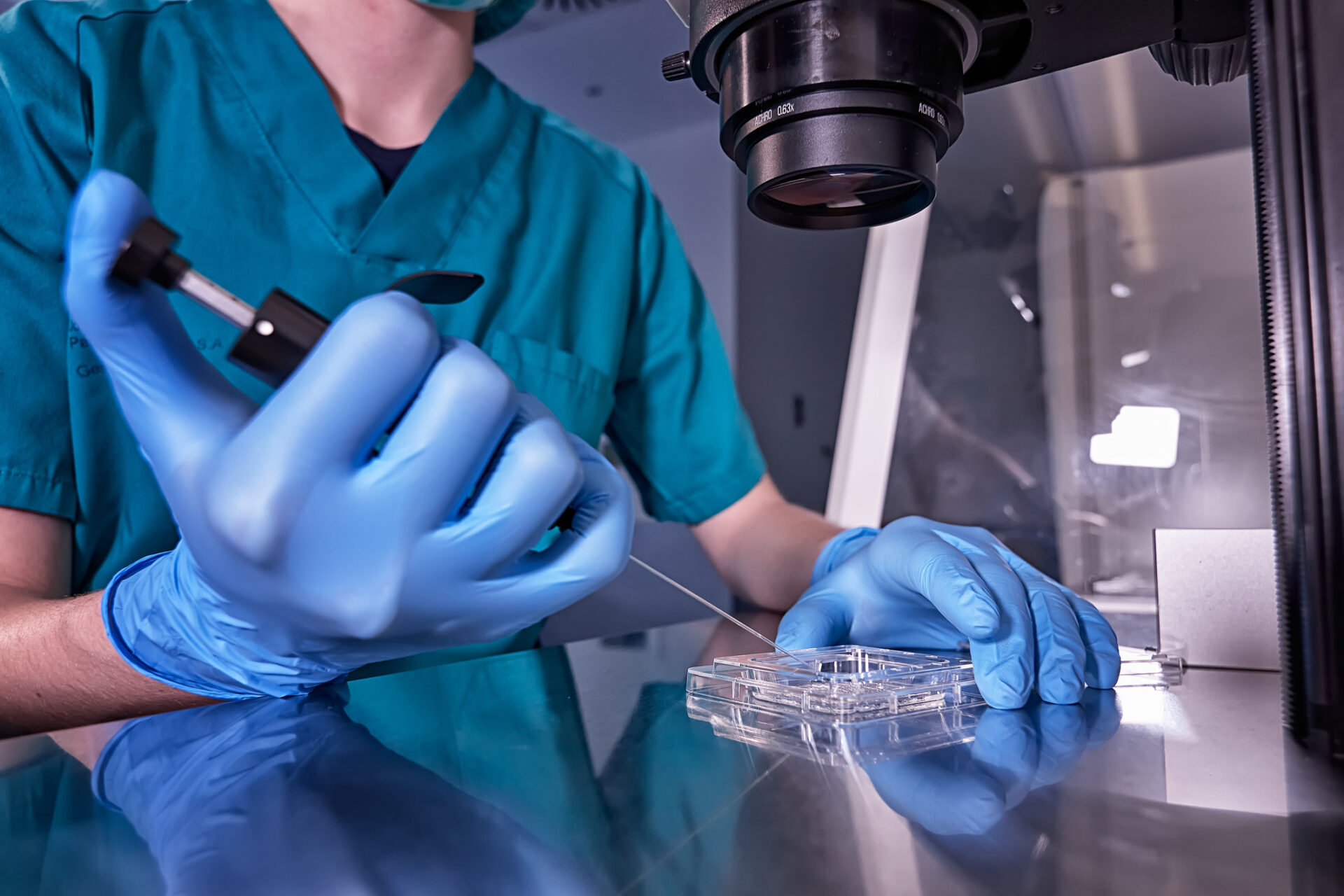
Artificial intelligence robots are making babies during multiple in vitro fertilization clinical trials (IVF).

Twenty babies have been born so far from trials that deploy AI-enabled robots to perform parts of the IVF process. The Aura system, created by Conceivable Life Sciences, automates about 205 steps of IVF. The robot is trained to handle tasks traditionally done by embryologists. Another startup, Overture Life, has run similar AI-assisted systems in Latin America and Turkey. None are yet approved to operate in the United States, The Washington Post reported.

Chief medical officer of Conceivable, Alejandro Chávez-Badiola spoke about the possible edge AI can give an embryologist. While he believes some clinics have embryologists that have exceedingly good outcomes, others do not. Chavez-Badiola says AI is the way to “replicate the superstar every time.”

“Every IVF clinic has its ICSI superstar — the embryologist who gets the best results because they just have that special touch,” Chávez-Badiola told The Post.

Director of CCRM fertility clinics, Serena H. Chen, said the technology is promising yet there are still unseen issues, as is the nature of new technology.

“For any new system … that seems to solve a problem, you probably are taking on another set of problems that sometimes you don’t really understand,” said Chen.

One woman, Alin Quintana, joined a fertility clinic trial in Mexico City in June. Quintana has gone through years of medical complications, including a lost pregnancy and emergency fallopian tube surgery. The robotic system used in her treatment supports multiple steps in IVF automatically from egg preparation to embryo creation. 

For Quintana and her husband robotic, IVF offered a chance that would have otherwise been out of reach. The treatment came without the financial burden that traditional IVF often carries. She is now approximately 17 weeks into her pregnancy. 

Globally, one in six adults experience some level of infertility. Yet the cost and logistical barriers of conventional IVF, including lab fees, embryologist expertise, and specialized equipment make treatment inaccessible for many. The goal of AI robot assistance is to help lower cost and expand accessibility. 

Long-term outcomes, regulatory oversight, and ethical concerns remain under evaluation. Trials so far suggest that robotic systems perform as well as standard human-led methods in multiple areas. The robotic systems are able to select usable sperm and viable embryos for fertilization and early growth. But questions remain about overall pregnancy health, scalability, cost effectiveness, and how to ensure equitable use of services. 

RELATED CONTENT: Conservatives Behind Project 2025 Plan To Hype U.S. Birth Rate Numbers Despite Being At An All-Time Low

Ciroc, Diddy, 50 Cent

50 Cent Trolls Diddy With A ‘Letter’ To The Judge Before Sentencing

The G-Unit executive took his trolling to new heights


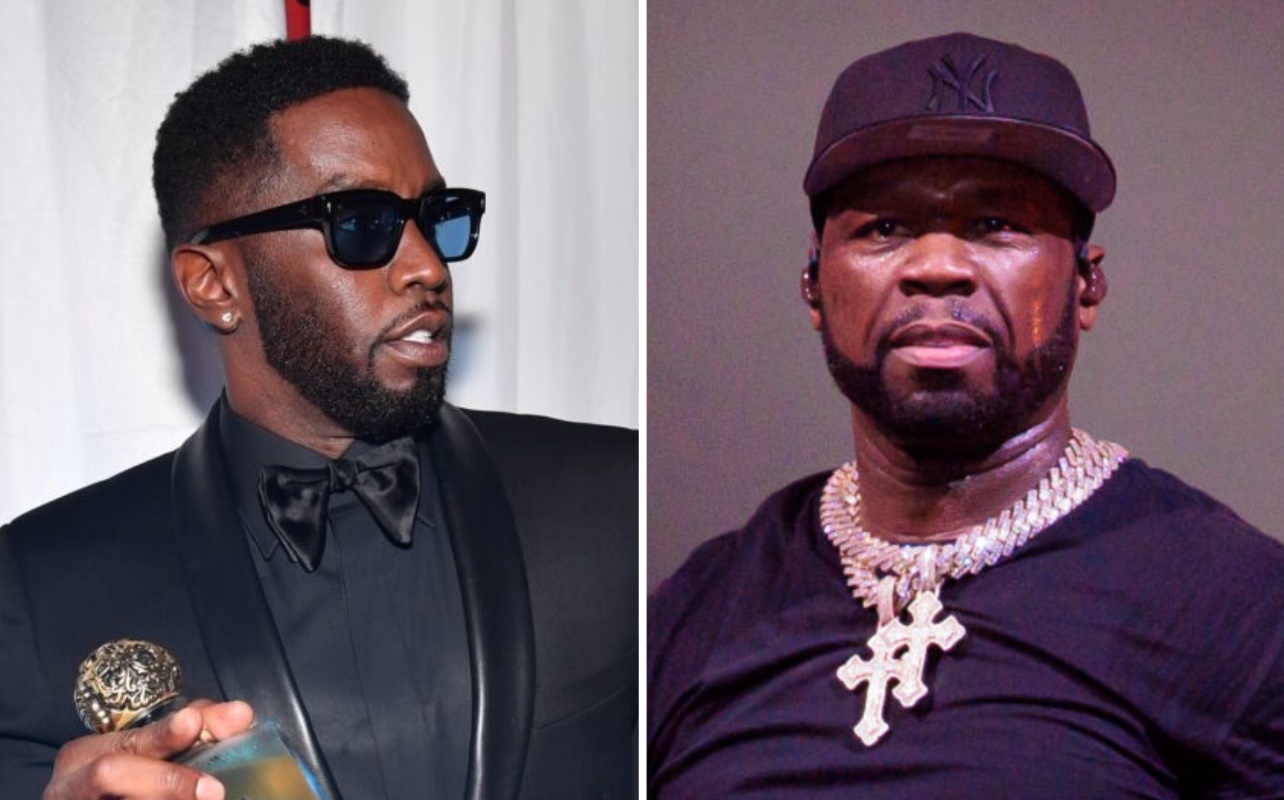
50 Cent’s campaign to troll his rival, Diddy, had the Queens recording artist posting a letter that he “allegedly” penned to the judge in Diddy’s case right before he sentences the former Bad Boy CEO.

In a social media post, the G-Unit executive took his trolling to new heights in his ongoing mission to make fun of Diddy’s current misfortune after he was found guilty of two counts of transportation to engage in prostitution. Judge Arun Subramanian is slated to hand down the entertainment mogul’s fate Oct. 3 in a New York City courtroom as Diddy faces up to 20 years in prison.

Fifty posted a “letter” he wrote to convince the judge to keep Diddy jailed, as he opens his note stating that he and the “No Way Out” producer have had an “ongoing dispute” for 20 years.

“This is my letter to the judge on Diddy’s case. what I’m scared for my life! LOL • http://gunitbrands.com

“I have had an ongoing dispute with Puffy for 20 years,” 50 wrote. “He is very dangerous. Multiple times I have feared for my life.”

https://twitter.com/50cent/status/1973832651569349097

The “Many Men” rapper goes on to state that the judge should consider “the safety” of the public when handing down his sentence, and that Diddy has not been in prison long enough to have been reformed, suggesting that he needs to spend more time incarcerated. He even takes a jab at one of his sons by stating that he is also dealing with allegations of rape, even adding that he said that the government raided the wrong house.

He ends the letter by insinuating that Diddy will return to his old ways by hiring male sex workers and depriving the public of baby oil, before promoting a documentary he says he’s working on about Diddy’s scandal.

“Anyway, Diddy’s only going to hire more male sex workers and keeping most of the baby oil from the general public. And babies need it! My Netflix doc on this scandalous subject is coming soon!”

RELATED CONTENT: 50 Cent Quickly Dismisses Damon Dash’s Attempt To End Beef

National Cancer Survivors Day, June 2, cancer

7 Black Social Media Influencers Who Advocate For Breast Cancer Awareness

Social media has emerged as a vital resource for raising awareness


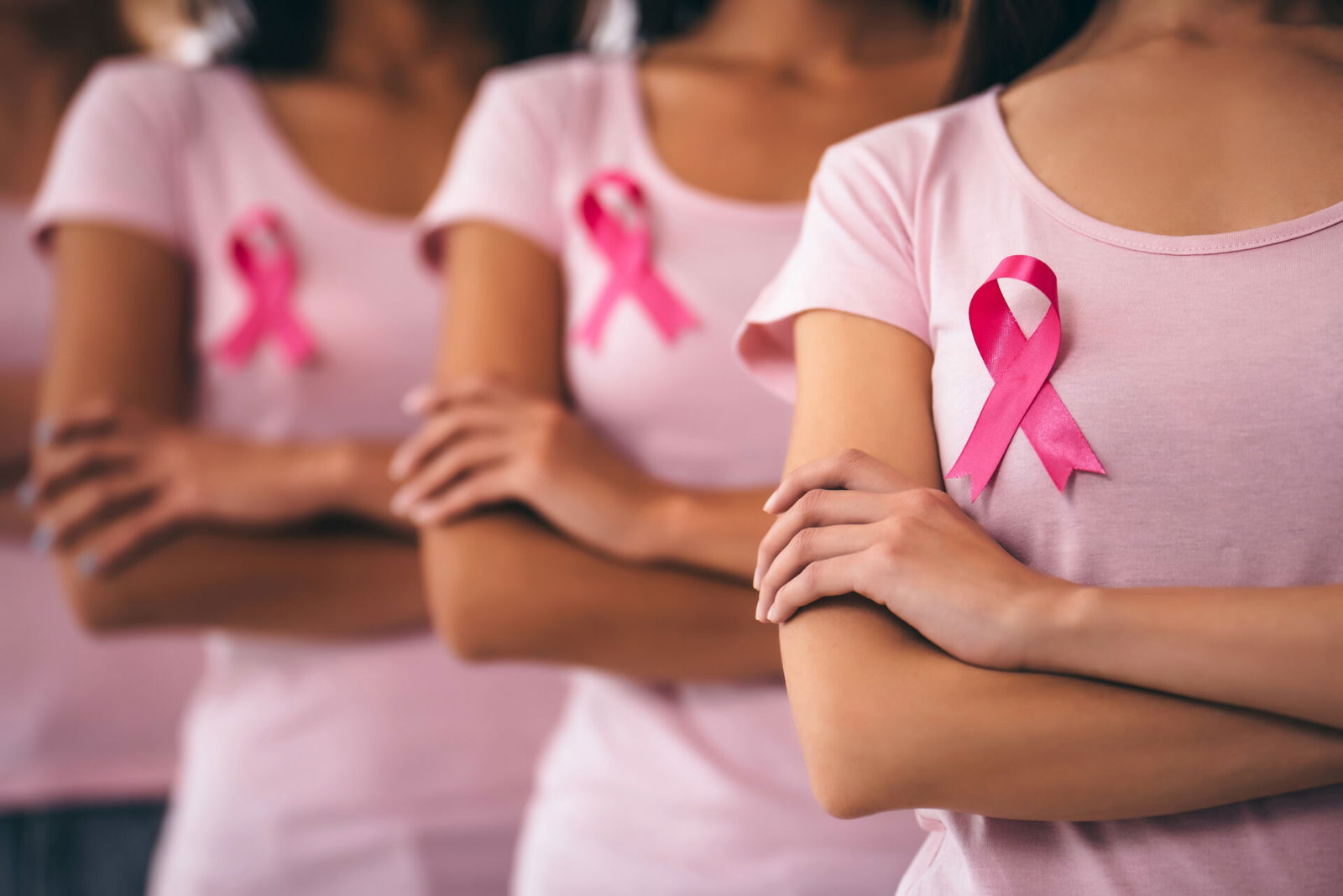
As Breast cancer diagnosis significantly impacts Black women with a mortality rate that is 38% higher than white women, according to the Breast Cancer Research Foundation, social media has emerged as a vital resource for raising awareness, providing education, and fostering support.

Black influencers and advocates are working to destigmatize survivorship, promote earlier detection, and fund communities in need. Their activism demonstrates that storytelling, nonprofit efforts, and policy advocacy can lead to meaningful change. Here are 7 Black influencers leveraging their platforms to provide firsthand knowledge, share personal experiences, and be change agents for better breast health. Follow these influencers for resources and events during Breast Cancer Awareness Month and beyond.

Ericka Hart (@ihartericka)

Ericka Hart (@ihartericka), a Black, queer breast cancer survivor, educator, and model, shares candid truths about survivorship, sexuality, and representation. Hart utilizes platforms such as Instagram, public campaigns, and speaking engagements to highlight these frequently overlooked experiences. Hart’s activism began in 2014, following her diagnosis and remains strong today.

Suzette Simon (@strongblackboobs)

Suzette Simon, a comedian, a survivor, and advocate, created the hashtag #StrongBlackBoobs to combat stigma through personal narratives and photo campaigns. Simon’s journey started following a 2020 diagnosis, motivating her to step into advocacy. Simon’s initiatives have gained momentum on Instagram and have been highlighted in numerous media outlets, ensuring that Black women are recognized, heard, and supported in breast cancer communities.

Tiah Tomlin (@mybreastyearsahead)

Tiah Tomlin (@mybreastyearsahead) is a survivor and the founder of a sisterhood group for Black women battling cancer. She creates digital safe spaces for both survivors and supporters. Her advocacy started in the 2010s, following her own diagnosis. She strives to deliver culturally relevant support that is often lacking in conventional care. Tomlin is active on Instagram and participates in local community outreach.

Dr. Monique Gary (@drmoniquegary)

Dr. Monique Gary (@drmoniquegary), a breast surgical oncologist, researcher, and social media educator, merges medical expertise with culturally sensitive education. She disseminates this knowledge through Instagram, X, and health podcasts. Dr. Gary’s prominence as an online educator has grown over the past decade, and is motivated by her commitment to closing the trust gap between Black patients and the healthcare system.

Marissa Thomas (@forthebreastofus)

Marissa Thomas, a Black breast cancer survivor and founder of For the Breast of Us, elevates the stories of women of color affected by breast cancer. Through initiatives such as The Naked Truth Project, Thomas strives to highlight the experiences of women of color, break the silence, and cultivate community. Engaged for several years, Thomas has captured campaigns throughout Breast Cancer Awareness Month.

Lyndsay Levingston (SurviveHER™) (@surviveher)

Lyndsay Levingston, a multimedia personality, stage 2B triple-negative breast cancer survivor, and founder of SurviveHER™, shares her journey. She educates and advocates for the genetic literacy and survivorship of Black women through Instagram, the SurviveHER site, and media engagement. Levingston aims to normalize genetic testing, offer treatment information, and enhance outcomes for Black women.

Aisha Patterson (@aisha_patterson)

Aisha Patterson, a breast cancer survivor, patient advocate, and storyteller, shares her experiences navigating breast cancer and life on a farm. Her uplifting and encouraging message connects with others on Instagram and during speaking engagements. Aisha’s advocacy has been ongoing since her diagnosis, and she consistently inspires and supports those impacted by breast cancer.

RELATED CONTENTThese Women Are Serious About Breast Cancer Advocacy 

Bad Bunny, Super Bowl, trailer

Bad Bunny Super Bowl Announcement Prompts MAGA Threats From ICE Official

Bunny’s performance will be a first in the U.S. since he started protesting against ICE by failing to perform in any U.S. city during his upcoming tour due to concerns of raids.


The NFL’s announcement of having Puerto Rican superstar Bad Bunny perform at the 2026 Super Bowl halftime show has the MAGA world in an uproar, resulting in Department of Homeland Security adviser Corey Lewandowski launching threats to have U.S. Immigration and Customs Enforcement (ICE) agents present.

During a segment of The Benny Show, Lewandowski boasted to host Benny Johnson that ICE has no limits when it comes to removing alleged illegal aliens, even during the Super Bowl. “There is nowhere that you can provide a safe haven to people in this country illegally. Not the Super Bowl and nowhere else,” he said. 

“We will find you. We will apprehend you. We will put you in a detention facility, and we will deport you. So know that that is a very real situation under this administration, which is completely contrary to how it used to be.” 

The three-time Grammy winner has had MAGA supporters seemingly up in arms since the announcement was made Sept. 28. Bunny’s performance will be a first in the U.S., since he started protesting against ICE by failing to perform in any U.S. city during his upcoming tour due to concerns of raids.

“Latinos and Puerto Ricans of the United States could also travel here, or to any part of the world. But there was the issue of — like, f—ing ICE could be outside [my concert],”  he said during an interview with i-D Magazine, according to The Hill

“And it’s something that we were talking about and very concerned about.” 

However, in his decision to perform at the game, scheduled to be played in Santa Clara, California, Bunny, whose real name is Benito Antonio Martínez Ocasio, said it’s not just about him. “What I’m feeling goes beyond myself. It’s for those who came before me and ran countless yards so I could come in and score a touchdown … this is for my people, my culture and our history,” Bunny said in a statement.

Lewandowski went on to slam the NFL’s decision to host the performer, saying the league has “been so woke for so many years,” mentioning the controversy behind former quarterback Colin Kaepernick, who was seemingly blacklisted for kneeling during the national anthem in support of victims of police brutality. “They finally decided to make a comeback, they finally had people standing for our great national anthem, but remember these guys, Colin Kaepernick used to say, ‘well I wasn’t being chosen to play on the NFL team because I was kneeling,’ no, you sucked,” the former manager to President Donald Trump’s 2016 campaign said. 

The backlash resulted in massive responses on social media, with some pointing out that MAGA doesn’t realize that the performer is from Puerto Rico, an American territory. Others point out that the “illegal aliens” that agents are seeking more than likely won’t be present at the game due to the major expense. ​​

”Yes, illegal aliens are typically so rich, they’ll spend thousands on one ticket to see Bad Bunny for 15 minutes. Kristi Noem’s boyfriend is even dumber than she is,” @kingcarol43 wrote. 

However, the performer doesn’t seem to be worried about threats and has never been. The music video for his song “NUEVAYoL” from his latest album, Debí Tirar Más Fotos, depicts a Trump-like voice speaking over a boom box, apologizing to immigrants.

“I made a mistake. I want to apologize to the immigrants of America. … This country is nothing without Mexicans, Dominicans, Puerto Ricans, Colombians, Venezuelans, Cubans.”

RELATED CONTENT: Let’s Get It! Jeezy’s Electrifying ‘TM:101’ Tour Finale In Detroit Ends With Upcoming Album & Las Vegas Residency Announcement

The Washington Post

NABJ Meets With The Washington Post About Karen Attiah Termination

NABJ met with The Washington Post to address accountability concerns following the recent dismissal of Karen Attiah.


Accountability and the future of DEI at The Washington Post were the focus of a recent meeting between the National Association of Black Journalists and the legacy publication, following the firing of a Black opinion columnist and the departure of other Black staff members.

On Sept. 29, NABJ announced its meeting with leadership at The Washington Post to discuss concerns about the workplace environment for Black journalists amid recent firings and departures. Members of the organization urged the paper to stay committed to representation and diversity, given both the industry’s history and The Post’s legacy of supporting Black journalists.

“The absence of Black journalists doesn’t just harm us — it impoverishes the entire profession. When our voices are missing, stories go untold, perspectives go unchallenged, and the truth remains incomplete,” said NABJ President Errin Haines.

The meeting comes after the recent firing of Karen Attiah, The Post’s founding Global Opinions editor, who was dismissed last month over social media posts regarding Charlie Kirk’s death. NABJ leaders stressed that while Attiah’s case will take its own legal path, the organization’s broader concern is on the recent attacks on diversity, the First Amendment, and the presence of Black journalists.

“We are calling for accountability, transparency, and tangible action to ensure Black voices remain present in newsrooms. NABJ will continue to monitor progress closely,” the organization wrote in an Instagram announcement.

During the meeting, The Washington Post’s Executive Editor Matt Murray assured NABJ that the paper is committed to maintaining staff diversity and expanding opportunities for journalists of color. While acknowledging the challenges of newsroom restructuring, Murray outlined ongoing initiatives, including a new two-year internship program to increase access for journalists of color, plans to engage with current Black staff, and efforts to enhance career development and retention of diverse employees.

NABJ leaders welcomed The Post’s openness to future collaboration but noted they will closely monitor progress, with follow-up expected in the coming months.

“This is a tense moment in history for journalists nationwide. How we advocate for Black journalists today will be felt for years to come,” said Washington Association of Black Journalists (WABJ) President Phil Lewis, who joined Haines and Coleman in Tuesday’s meeting. “WABJ is thankful for the leadership of President Haines, who made it clear to Post leadership that tangible action steps are necessary.”

Attiah announced her plans to take legal action against The Post in the wake of her firing.

“It’s more sort of about this chilling precedent that it sets for journalists, for educators, for researchers, for anyone who writes on gender and violence,” Attiah said. “If they think it’s going to stop with me just because I was a Black woman saying this, it never stops with just Black people.”

RELATED CONTENT: Washington Post Opinion Columnist Quits After Jeff Bezos Took Over The Section

WNBA, 2024 Season, Basketball, DICK BARNETT, BIG3

WNBA Signs 11-Year Agreement To Broadcast Games On USA Network

The deal starts with the 2026 season


The Women’s National Basketball Association (WNBA) announced an 11-year agreement with USA Network that will begin with the 2026 season.

The league, along with VERSANT, will have its basketball games broadcast on the network, including at least 50 games during the regular season and portions of the playoffs and WNBA Finals in select years.

“Partnering with VERSANT and USA Network marks another significant milestone for the WNBA’s continued growth,” said WNBA Commissioner Cathy Engelbert in a written statement. “As demand for women’s basketball continues to rise, partnerships like this expand the visibility and accessibility of our game. By establishing a weekly primetime destination for fans, this agreement will showcase the excitement of the WNBA to more households than ever before and further elevate the incredible athletes in this league.”

The league will primarily feature WNBA Wednesday night doubleheaders as part of the deal. Each game being broadcast on USA Network will include pre-game and post-game programming, including commentary from studio analysts.

“We’re incredibly proud to expand our multi-year partnership with the WNBA,” said Matt Hong, President of Sports, VERSANT. “USA Network will be a destination for WNBA viewers all season long, as we showcase the star power across the league in our marquee Wednesday night doubleheaders and build toward the intensity of the WNBA Playoffs and WNBA Finals.”

More details about analysts, programming, and scheduling will be forthcoming.

The news comes as the teams for this year’s WNBA Finals were set, with the returning champions from last year, the Las Vegas Aces, will be defending their title against the Phoenix Mercury. The first game will be played at the Aces’ home arena, the Michelob ULTRA Arena, with a starting time of 8 p.m. ET. The Aces had a 4-1 record versus the Mercury, with Las Vegas winning the last three contests between the teams.

The games are being televised on ESPN and ABC.

  • Game 1: Aces at Mercury on October 3, 8 p.m. ET on ESPN.
  • Game 2: Aces at Mercury on October 5, 3 p.m. ET on ABC.
  • Game 3: Mercury at Aces on October 8, 8 p.m. ET on ESPN.
  • Game 4: Aces at Mercury on October 10, 8 p.m. ET on ESPN.
  • Game 5: Aces at Mercury on October 12, 3 p.m. ET on ABC (if necessary).
  • Game 6: Aces at Mercury on October 15, 8 p.m. ET on ESPN (if necessary).
  • Game 7: Mercury at Aces on October 17, 8 p.m. ET on ESPN (if necessary).

RELATED CONTENT: Unrivaled League’s Valuation Is At $340M After Successful Seed Funding

Brianne Joseph Private Investigator

Private Investigator Brianne Joseph Lands Netflix Series Marking 15 Years Of Owning Detective Agency

With over 15 years of investigative experience, Joseph has built a reputation as one of the most trusted investigators in the nation.


Breaking stereotypes in a male-dominated industry and redefining what it means to be a private investigator, Brianne Joseph, owner of the six-figure detective agency Sly Fox Investigations, is stepping into the global spotlight with her role in Netflix’s successful new series Love Con Revenge. The show launched in early September 2025 and has since maintained a No. 2 and No. 3 status for the top TV shows nationally every week.

With over 15 years of investigative experience, Joseph has built a reputation as one of the most trusted investigators in the nation. Her agency, Sly Fox Investigations, is the only investigative firm in Louisiana to be formally honored by the Louisiana State Senate for excellence—a distinction that underscores her commitment to truth, integrity, and results.

As one of the few Black female private investigators to reach this level of success, Joseph brings a fresh, powerful voice to an industry often portrayed through a narrow lens.

“I never set out to be on television,” Joseph says. “I set out to serve my clients and uncover the truth. However, I believe my authenticity truly shines in this show. The producers loved who I was in real life, and they wanted to showcase that. I’m very proud of this show, my agency, and the millions of people we can potentially assist on this global platform.”

Brianne’s expertise takes center stage on Netflix in Love Con Revenge. Joseph lends her skills and perspective to real-life cases involving betrayal, heartbreak, and uncovering the truth behind romance fraud and deception.

“For me, building Sly Fox Investigations wasn’t just about business—it was about proving what’s possible when you stay relentless,” Joseph explains. “My agency provides surveillance for insurance fraud, infidelity, child custody, process service, and research.”

With international visibility through Netflix and a proven track record of investigative excellence, Joseph is cementing her place as both a trailblazer in the investigative field and an inspiration for women and minority entrepreneurs everywhere.

Joseph’s rise reflects a larger story: of representation, resilience, and rewriting the rules of success. From the Senate floor to the Netflix screen, her work embodies the message that grit and excellence will always win.

For press inquiries, contact (225) 305-7468 or slyfoxoffice@gmail.com

This story was first reported by Blacknews.com

RELATED CONTENT: PRIVATE INVESTIGATOR MAURICE HICKS TALKS MISSING PERSONS, FIGHTING STEREOTYPES, AND INSPIRING BLACKS IN THE INDUSTRY

Seth Curry

Seth Curry Joins Brother Stephen On Golden State Warriors

The Currys are the third set of brothers to play on the same team for the upcoming NBA season


LeBron James may have his son, Bronny, as a teammate, but Golden State Warriors guard Stephen Curry now has his brother, Seth Curry, as his teammate!

The Golden State Warriors announced that the team signed Seth, the younger brother of Stephen, to a deal. This will be the first time the siblings will play on the same team at the same time. During the 2013-14 season, Seth was a member of the team’s G League squad, the Santa Cruz Warriors, where he averaged 19.7 points and 5.8 assists. He was an undrafted free agent out of Duke University.

https://twitter.com/warriors/status/1973797982429692411

As the preseason begins, the Currys will be the third set of brothers to be teammates entering the 2025-26 season. Giannis and Thanasis Antetokounmpo of the Milwaukee Bucks and Franz and Moritz Wagner of the Orlando Magic are the other sets of brothers competing on the same team. If Seth is still on the roster on opening day, Stephen and Seth will become the 23rd different brother combination to have played on the same team in the same season, according to Elias Sports Bureau.

Last season, the 35-year-old Seth played for the Charlotte Hornets, where he appeared in 68 games (starting 14 of them), while averaging 6.5 points and 1.7 rebounds in 15.6 minutes per game. He shot a league-high 45.6% from 3-point range (83-of-182).

During his 11-year NBA career, he has suited up for the likes of the Hornets, the Dallas Mavericks, the Brooklyn Nets, the Philadelphia 76ers, the Portland Trail Blazers, the Sacramento Kings, the Phoenix Suns, the Cleveland Cavaliers, and the Memphis Grizzlies. Playing in 550 games, he has averaged 10.0 points, 2.0 rebounds, and 1.9 assists in 22.5 minutes per game. His playoff averages (while playing with the Nets, 76ers, Mavericks, and Trail Blazers) were 11.6 points, 1.9 rebounds, and 1.6 assists in 26.1 minutes over 41 games.

RELATED CONTENT: Stephen Curry Scores Partnership Deal with Google

×