Announced on Nov. 17, the new platform will serve as a centralized hub where independent artists can access resources and tools to strengthen their fanbases, according to a press release. Through a personalized dashboard, artists can access advanced streaming analytics, real-time audience and social media insights, and distribute their music to more than 200 platforms.
The dashboard is free to use. Artists keep ownership of their masters and retain 85% of their earnings, as the platform’s proprietary technology is built to give Roc Nation Distribution artists greater control, insight, and opportunity.
“The introduction of this new dashboard will be a game-changer for independent artists releasing music with Roc Nation Distribution,” said Roc Nation Distribution President Krystian Santini. “It’s a one-stop shop that will enable artists to receive a holistic understanding of their followers, so they can build impactful strategies and broaden their music’s reach without financial barriers. This dashboard is democratizing access to tools and information historically reserved for the very few established label superstars. Our technology is uniquely ours and sets a new standard with no equivalent in today’s music industry.”
Additional features include streamlined royalty payments, publishing administration, rights management, and motion artwork uploads for DSPs. Beyond advanced social metrics, the dashboard streamlines payments and revenue splits, offering automatic deposits to bank accounts or PayPal, and built-in tools for seamless royalty sharing with collaborators. Artists can also store contributor information and save progress on uploads and metadata, making it easier to build releases on tight timelines.
The platform is receiving mixed reviews online from some who criticize the 15% royalty split.
“An 85/15 split to press “upload” is madness,” popular indie artist Russ wrote on X. “Major labels take 15% distro off the top too so it seems like they just modeled the business off of that. If you’re an artist, this makes no sense to sign up for imo.”
an 85/15 split to press “upload” is madness
major labels take 15% distro off the top too so it seems like they just modeled the business off of that
“People who think this is a good deal don’t know anything about distribution,” another X user wrote. “There are services that charge a relatively small yearly fee, and in return, you keep 100% of your royalties. 15% is absolute madness, especially if your songs become successful. Don’t fall for this BS.”
Many artists see value in choosing Roc Nation to distribute their independent music over companies with less star power. The platform is already used by Grammy winners like Rapsody, Grammy nominees like Clipse, and standout artists such as Flau’jae, The LOX, SAINt JHN, Westside Gunn, and Bootsy Collins.
After NFL Debut, Shedeur Sanders Discovers Someone Broke Into His Home
No information was released regarding what may have been stolen, if anything.
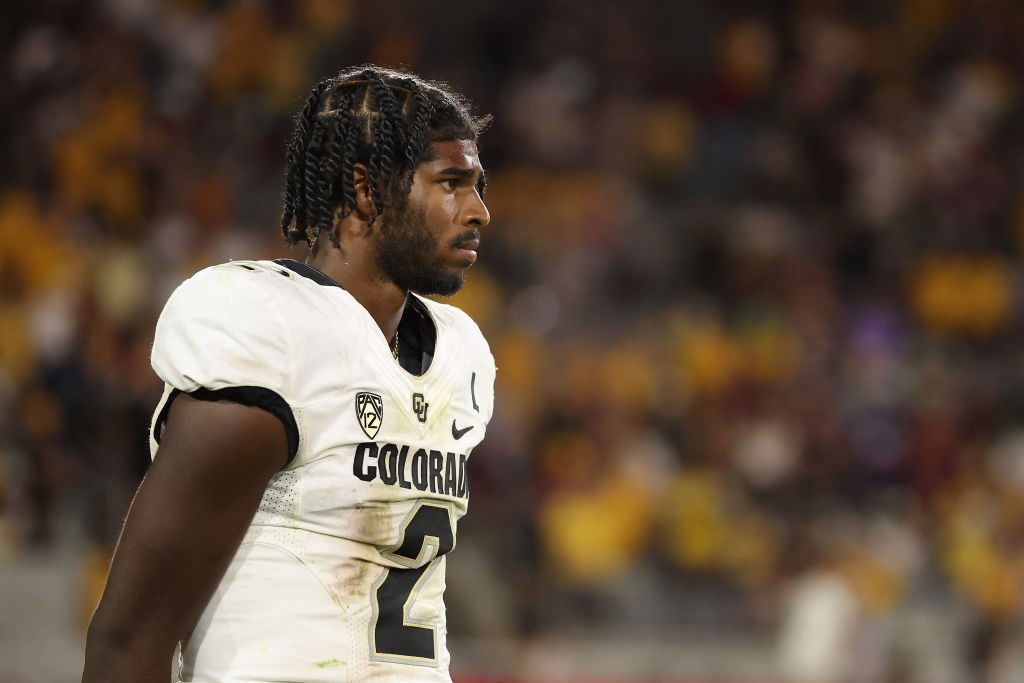
NFL rookie quarterback Shedeur Sanders finally made his debut for the Cleveland Browns on Sunday, Nov. 16, but that joy was short-lived. First, his team lost the game. Then, he discovered that someone had broken into his home.
According to Cleveland.com, Sanders’ house was broken into, but no information was provided on whether anything was taken. There are no reported suspects.
The Medina County Sheriff’s Office confirmed that a crime had taken place in Granger Township, where Sanders lives.
Sadly, there has been a rash of break-ins at the homes of NFL players on game days. Recently, Cincinnati Bengals quarterback Joe Burrow, Kansas City Chiefs quarterback Patrick Mahomes, tight end Travis Kelce, and New Orleans Saints defensive end Cameron Jordan have been victims.
Sanders woes began long before the break-in. After being projected as a top-three NFL Draft pick, he slipped to the fifth round and was selected as 155th overall. As a backup to another rookie, Dillon Gabriel, Sanders entered the game at the start of the second half after Gabriel suffered a concussion.
The former University of Colorado at Boulder star finished 4 of 16 for 47 yards and one interception in the Browns’ 23 to 16 home loss to the Baltimore Ravens.
If Gabriel is kept out of the Browns’ next game against the Las Vegas Raiders due to concussion protocol, Sanders is the most likely starter.
Sanders knows he did not play up to his potential.
“I don’t think I played good,” he said, according to ESPN. “I don’t think I played good at all. I think there’s a lot of things we need to look at during the week and go and just get comfortable with even throwing routes with [wide receiver] Jerry [Jeudy] and throwing routes with all those guys. I think that was my first ball to him all year. But other than that, I just think overall, we just got to go next week and understand, so that we have a week to prepare stuff I like to do.”
Baltimore Police Officer Indicted For Chasing Down, Hitting Black Man With Police Vehicle
Robert Parks was arrested after a video showed him allegedly hitting a Black man with his vehicle. He has been indicted and faces multiple charges that can land him in prison for up to 65 years
Robert Parks, a Baltimore police officer who was arrested after a viral video allegedly showed him hitting a Black man with his vehicle, has been indicted and faces charges of attempted murder in the second degree, assault in the first and second degrees, reckless driving, and misconduct in office.
According to People, Parks, who was initially suspended with pay after the video surfaced online, has now been suspended without pay after being charged with various crimes. The incident occurred last month and was captured on a mobile phone. Officials have also stated that they reviewed several surveillance videos in the area, which reveal further details about the alleged criminal activity.
Baltimore City State’s Attorney Ivan Bates revealed the charges at a press conference, saying he found some of those videos “disturbing” and that the viral video doesn’t show everything that happened.
“The charges brought forward in this indictment reflect the seriousness and dangerous nature of the actions we all witnessed in the viral video of Officer Parks driving his vehicle directly at the civilian while on duty,” Bates said.
Parks surrendered on Nov. 12 and was released the next day on his own recognizance, the media outlet was told.
The incident occurred on Oct. 28, when the officer rolled up on several individuals standing in front of a liquor store. He allegedly approached them and advised them to move. One of the men walked away, and after Parks re-entered his vehicle, he drove next to the man and called out to him to come over. Parks then got out of the police car and allegedly said, “Don’t make it worse. I’m going to be straight up with you. I’m going to be straight up with you. You gotta come,” according to the indictment.
The man said no. Parks says to him, “All right, I’m gonna call the dogs and come get you.”
The video shows Parks getting back into the car, and as the man walks away, he is seen accelerating his vehicle toward the individual. After realizing the car is heading toward him, the man runs away from Parks. You can see Parks driving after the man, driving on the sidewalk, and then chasing him across the street. The person filming the scene tries to catch up to the vehicle, but it comes back around and crashes into the front yard of a house.
Parks is then seen using his radio, seemingly calling for backup.
Tesla Wins Ruling Stunting Racial Bias Class Action Lawsuit Prompted By Black Workers
A class action lawsuit claiming racial bias at a Tesla assembly plant will not move forward as planned.
A California judge had ruled in favor of Tesla, stunting the progression of a class action lawsuit over racial bias against Black workers.
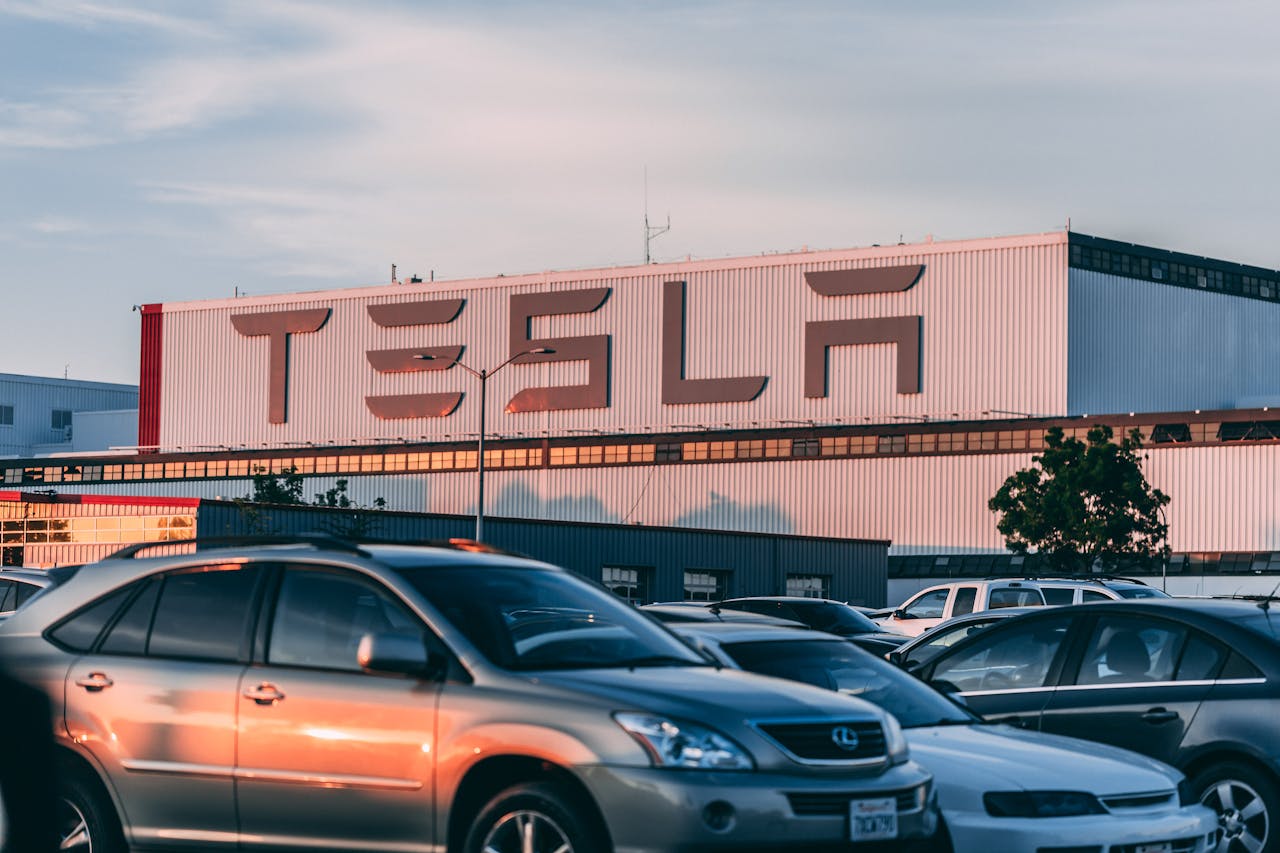
The ruling would prohibit 6,000 Black Tesla workers at one of the electric car company’s flagship plants from moving forward with a class-action lawsuit. According toReuters, California Superior Court Judge Peter Borkon made the shocking decision Nov. 14.
Initially filed in 2017, the lawsuit claimed that Black workers at the Tesla plant were enduring long bouts of racism and harassment. The legal documents claimed that workers faced slurs as well as saw nooses hung up around the assembly lines.
Borkin based his decision on the fact that many of the workers selected to testify in the 2026 trial were unwilling to take the stand. The 200 workers were chosen at random, but too many opted out of the crucial component to make the lawsuit have legs. The judge then said he could not trust the experiences of a significantly reduced pool of workers, leading him to strike the class action.
However, the plaintiff’s lawyers argued that the opt-outs were not motivated by ill intent. Instead, the attorney, Lawrence Organ, asserted that these workers cannot afford to miss work to participate in what could become a lengthy trial. While the prosecution currently lies at a standstill, Organ emphasized that these workers remain committed to seeking justice.
“Either together with other victims, or separately, these courageous Black workers will overcome Tesla’s endless delays and continue fighting to hold the company accountable,” he explained.
As it stands, these workers will have to seek legal action individually, which could prevent the car company from being held accountable on a grander scale. However, this is not Tesla’s first bout with a racial discrimination claim either. Although a trial for this lawsuit seems unlikely at this time, a trial prompted by a California state civil rights agency will proceed.
The Elon Musk-led tech company must also face additional racial discrimination claims, including another prompted by the U.S. Equal Employment Opportunity Commission. As for this latest ruling, Tesla declined to comment, reiterating its stance against workplace harassment and adding that employees who perpetuated it were fired. Just like last year, the company settled with one Black worker at the same plant for the apparent discrimination.
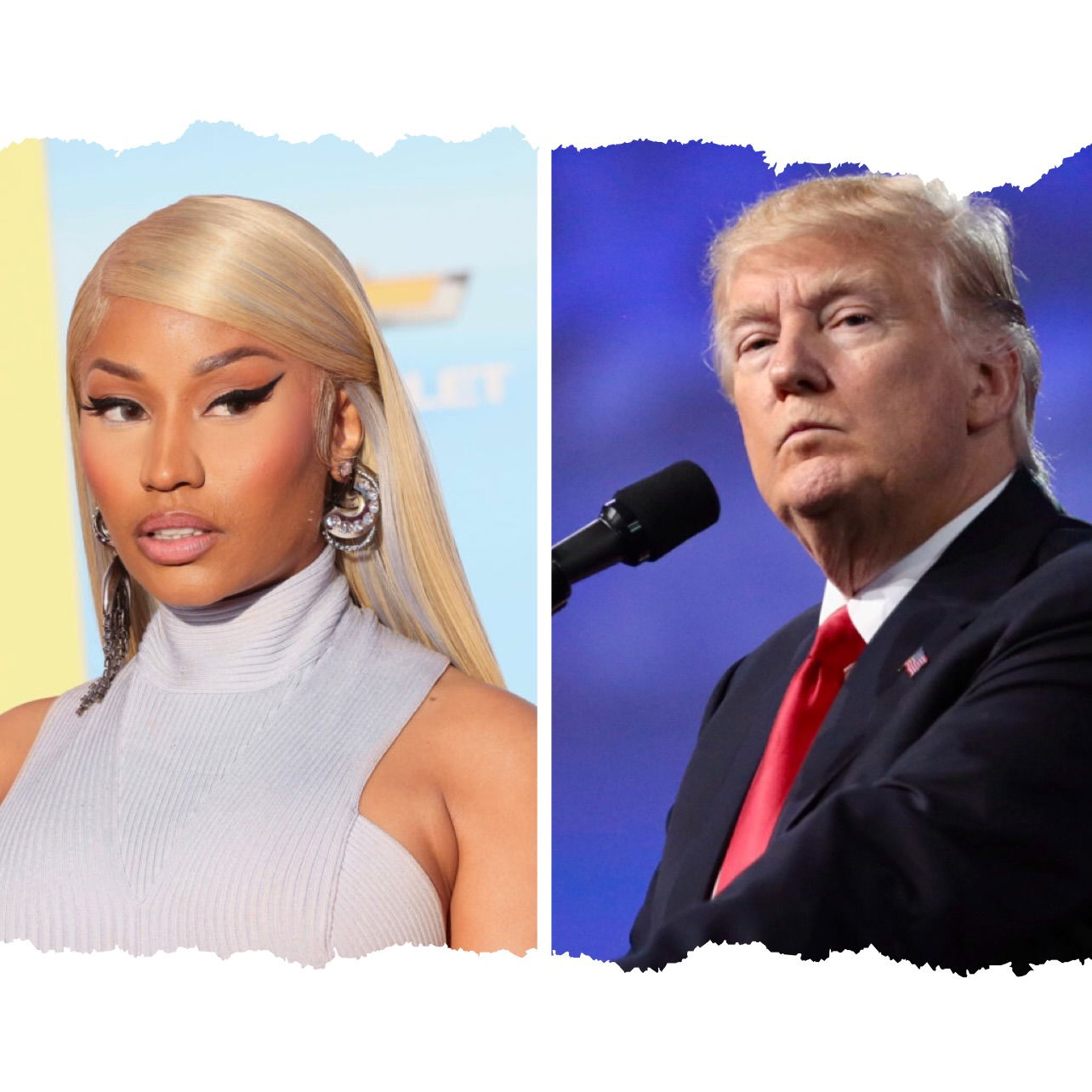
A Time reporter broke the news on Nov. 16 in an X post, which Trump adviser Alex Bruesewitz confirmed with a retweet. He described Minaj as “not only arguably the greatest female recording artist, but also a principled individual who refuses to remain silent in the face of injustice.”
He added, “I’m grateful she’s leveraging her massive platform to spotlight the atrocities against Christians in Nigeria, and I look forward to standing with her as we discuss the steps the president and his administration are taking to end the persecution of our Christian brothers and sisters.”
The “Anaconda” rapper followed up in a separate tweet confirming her participation in the effort and expressing her gratitude to take part in an “opportunity of this magnitude.”
“The Barbz & I will never stand down in the face of injustice. We’ve been given our influence by God. There must be a bigger purpose,” she added, referencing her loyal fanbase.
Minaj’s work with the Trump administration comes days after she responded to one of Trump’s Truth Social posts, where he condemned the Nigerian government for failing to prevent the alleged plight of Nigerian Christians.
“Reading this made me feel a deep sense of gratitude,” Minaj wrote on X. “We live in a country where we can freely worship God … Thank you to the president & his team for taking this seriously. God bless every persecuted Christian.”
Minaj’s latest social media moves are the latest to raise debate over her potential support for the Trump administration and the MAGA movement. Although she has not confirmed her political affiliations, the rapper is facing online criticism for her perceived alignment with the president.
Shaq Surprises Atlanta Boys And Girls Club Gala With $20K Gifts To ‘Youth Of The Year’ Winners
Shaq gave $10,000 each to the two winners.
Shaquille O’Neal gave $20,000 to two accomplished teens in Metro Atlanta.
The NBA legend personally attended the Boys & Girls Clubs of Metro Atlanta’s Youth of the Year Gala to offer the gift. The Nov. 7 event, which honored two exemplary members of the Metro Atlanta chapter, is the organization’s largest fundraiser of the year.
The Youth of the Year program celebrates outstanding teenagers who are a part of the Boys and Girls Club community. The honor recognizes their exceptional leadership, academic excellence, and community service, with public speaking and career readiness skills strengthened through the months-long initiative.
Shaq spoke at the gala and shared the impact the Boys and Girls Clubs had on him.
“This organization changed my life, just like it’s changing the lives of every young person who walks through the blue doors in Atlanta today,” O’Neal said, according to a press release. “When I was growing up, the Ccub was my safe place. It was a place that made room for my big dreams and connected me with people who believed in me, like Ms. Banks.”
He also emphasized how leadership starts today, regardless of one’s age, status, or title. He encouraged attendees to set an example for others.
A surprise guest at the event, Shaq announced the five finalists for the award. Atlanta news anchor Monica Pearson hosted the gala. The theme: “The Power Of Now.”
Along with Shaq’s gifts, the two winners received scholarships. The Boys and Girls Club of Metro Atlanta (BGCMA), supported by public figures and local leaders alike, utilizes this initiative to provide local youth with the opportunity to aim higher.
Judge Bars Trump Administration From Fining University of California Over Alleged Discrimination
U.S. District Judge Rita Lin in San Francisco issued a preliminary injunction barring the administration from cancelling funding and fining the University of Calfornia late Friday.
A federal judge has barred the Trump administration from fining the University of California over discrimination claims.
U.S. District Judge Rita Lin in San Francisco issued a preliminary injunction late Friday barring the administration from cancelling funding and fining the University of California. According to the Associated Press, Judge Lin’s ruling means the administration cannot take any action without giving notice to affected faculty. She also ruled that the administration cannot take action without conducting a hearing, among other requirements.
Her ruling comes after the administration’s demand for the university to pay $1.2 billion to restore frozen research funding and ensure eligibility for future funding after accusations that the university allowed antisemitism on campus. UCLA was the first public university targeted by the administration over civil rights violations, the AP reports.
Judge Lin said in her ruling that labor unions and other groups at UC representing faculty, students, and staff had provided “overwhelming evidence” that the Trump administration engaged in a “concerted campaign to purge ‘woke,’ ‘left,’ and ‘socialist’ viewpoints from our country’s leading universities.”
“Agency officials, as well as the President and Vice President, have repeatedly and publicly announced a playbook of initiating civil rights investigations of preeminent universities to justify cutting off federal funding, with the goal of bringing universities to their knees and forcing them to change their ideological tune,” Lin wrote.
Fine Would Devastate University of California
In August, University of California President James B. Milliken put out a statement saying that the $1 billion fine the Trump administration demanded would devastate the university.
“Earlier this week, we offered to engage in good faith dialogue with the Department [of Justice] to protect the University and its critical research mission,” he stated. “As a public university, we are stewards of taxpayer resources, and a payment of this scale would completely devastate our country’s greatest public university system as well as inflict great harm on our students and all Californians.”
The University of California isn’t the only institution that has come under fire from the Trump administration over discrimination claims. The administration also froze funding at Harvard University and Columbia University over antisemitism and discrimination allegations. A federal judge ruled later that the funding freeze at Harvard was illegal.
‘I’m Not A Woman’: Draymond Green Confronts Fan After Being Called Angel Reese
'It was a good joke at first, but you can't keep calling me a woman,' Green said
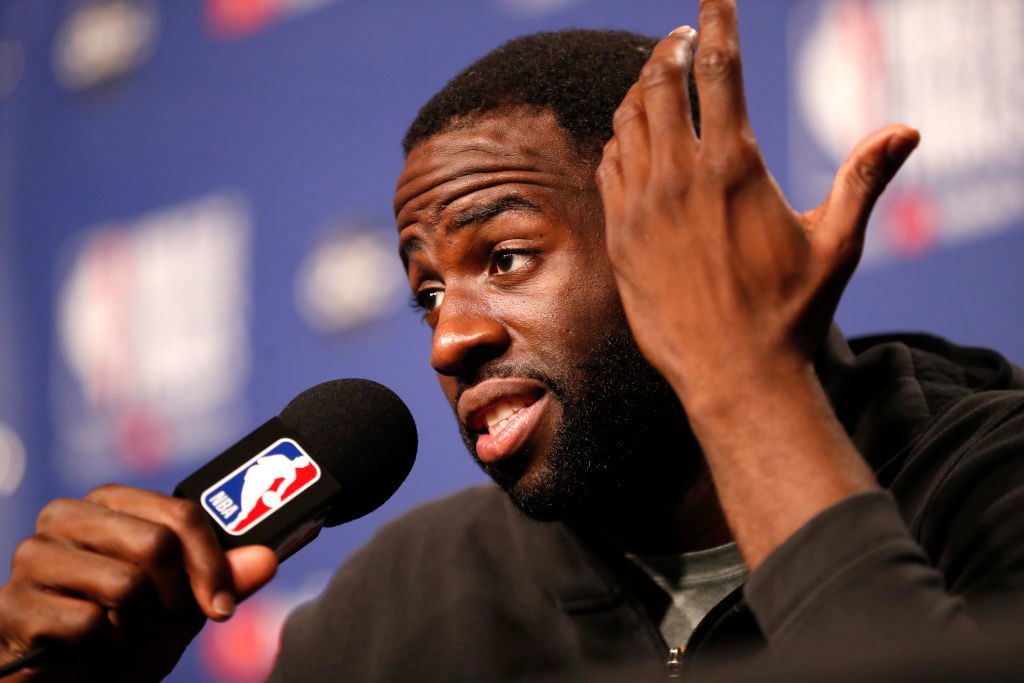
Golden State Warriors enforcer Draymond Green got into it with a courtside fan, 35-year-old Sam Green of New Orleans, who kept taunting the forward by calling him Angel Reese.
According to ESPN, Draymond allegedly stepped to Green, no relation, and stood in his face, after the 35-year-old kept repeating the WNBA player’s name, referring to the Golden State Warrior. After Draymond fouled New Orleans Pelicans player Herbert Jones, he went to the courtside seat where Green was standing. As the basketball player approached him, Green is seen smiling, with his arms spread out. While Draymond was talking to him, Green showed no fear and allegedly kept jawing at Draymond until security, the referees, and teammates arrived to bring Draymond back onto the court.
When Draymond walked away, a referee was speaking to him, while the fan went back to his seat. As Green sits, security hands him a red card, but no further action occurs after the exchange.
After the game, Draymond discussed the incident with reporters.
“He just kept calling me a woman,” Draymond stated. “It was a good joke at first, but you can’t keep calling me a woman. I got four kids, one on the way. You can’t keep calling me a woman.”
Green said that Draymond cursed at him and threatened to punch him if he continued to call him Angel Reese. “I wasn’t using profanity, and for him to walk 12 feet off the court to come and get in my face like that, it was a little unnerving.”
Draymond also added, “He was talking at first. “Then you get a little closer, and he didn’t really say much else. But it’s fine. We move on.”
Draymond Green details the interaction he had with a fan in the first half. Said the fan referred to him by a woman’s name.
“It was a good joke at first, but you can’t keep calling me a woman. I’ve got four kids and one on the way. … He got quiet though, so it was fine.”
The incident took place in the first half. Draymond ended the night with eight points while pulling down 10 rebounds. The Warriors defeated the Pelicans, 124-106.
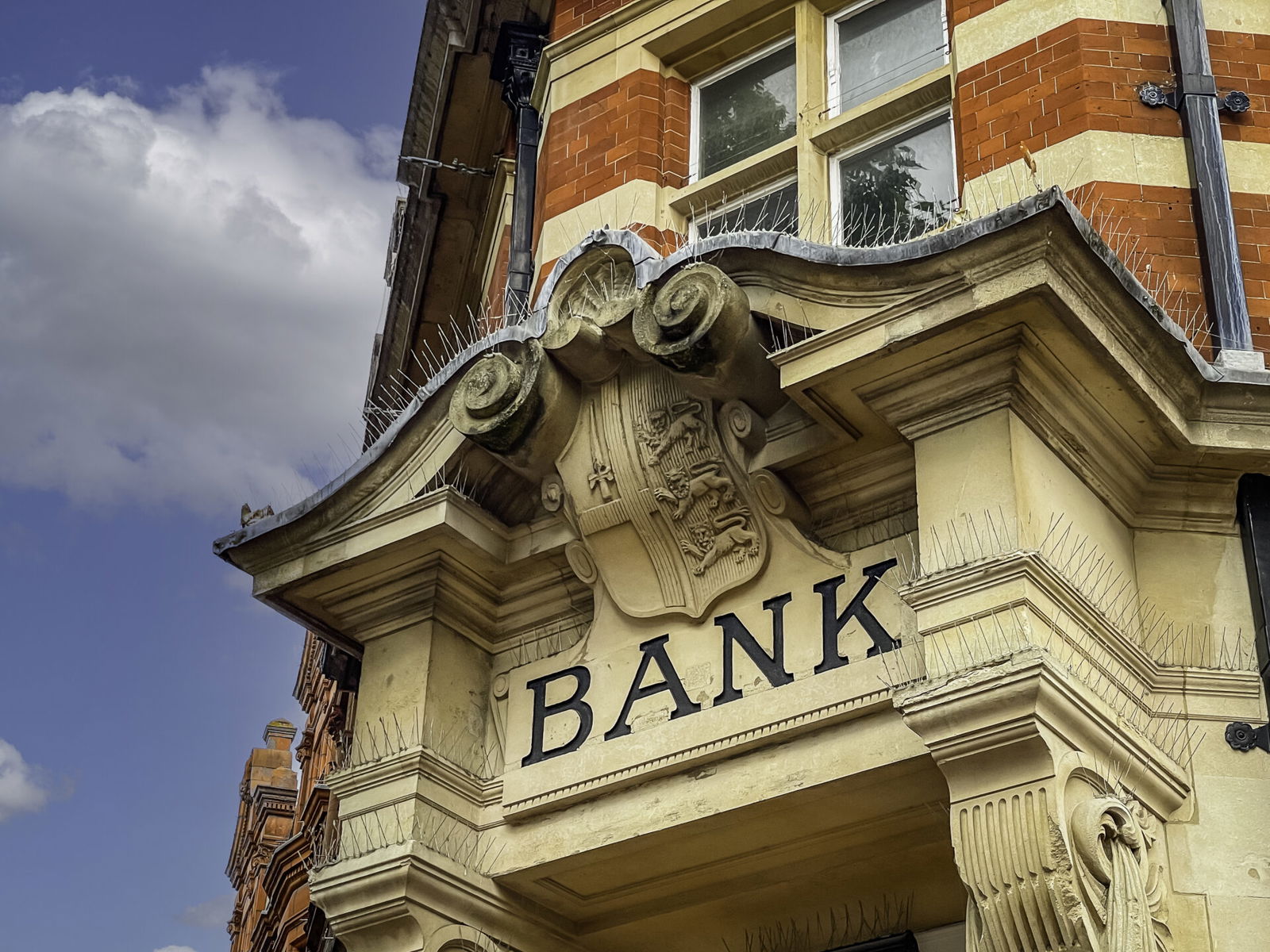
Father And Son Bankers Aim To Fulfill The Economic Dream Of Dr. King
This Father-son team leads the Largest Black-owned bank in America
Written By Hazel Trice Edney
In the fall of 1968, 57 years ago, cities across the nation were still smoldering from the fiery riots that followed the assassination of Dr. Martin Luther King Jr. Some cities never fully recovered.
Despite his life’s work for peace, civil rights, racial equity, and justice for all, it was in Dr. King’s final speech — the night before the April 4, 1968 assassination — that he spoke passionately and pointedly on the economic importance of supporting Black-owned businesses. This included Black-owned banks.
“We want a bank-in movement in Memphis,” Dr. King told the cheering crowd in what is called the “I’ve Been to the Mountaintop” speech at the Mason Temple Church of God in Christ. “We’ve got to strengthen Black institutions,” he said as he encouraged people to redirect their money to support Black banks and other Black-owned businesses.
Decades later, leaders of Black-owned banks say this wise economic movement that never fully came to fruition is still necessary. To support Black banks means to support Black home-ownership, Black business-development, Black neighborhoods, Black families, and the future of Black America, says Alden J. McDonald Jr., chief executive officer of the New Orleans-based Liberty Bank, the largest Black-owned bank in America with holdings surpassing a billion dollars. His son, Todd McDonald, Liberty’s president and chairman of the National Bankers Association, agrees.
At the helm of the 53-year-old institution, with eyes on the future, they both recently sat down to discuss the legacy of Liberty Bank, where Black America must economically go from here, and how Liberty is working to double its deposits from one billion to more than two billion dollars.
Given the economic struggles of Black people and the ebbs and flows of America’s overall economy, how has Liberty Bank amassed more than a billion dollars in deposits?
Alden McDonald: The history of Liberty started in 1972, more than a half century ago. And it started with a concept of having a multi-racial bank to attract business from all parts of the community. As time went on, it became an African-American-owned bank because our mission was to serve the underserved community and we wanted to find different ways of helping people to close the wealth gap and to create equity. So, through the years, we sort of got into a niche and a passion for mortgage loans because we felt homeownership was very important. Homeownership and small business lending was a key to growing the community economically; thereby growing the holdings of our bank.
What is your strategy for serving Black consumers when many other banks have red-lined Black neighborhoods and even discriminate against us and avoid dealing with us?
Alden McDonald: Black consumers represent a market niche. I came up with a poor family. So, we understood the challenges that the community had from day to day. So, when we built a company, the company was built on what we knew. And knowing the challenges of the community helped us in a lot of different ways of finding a way to serve the community, and a way to serve the community to make a profit because you have to make a profit in order to be sustaining. So, we understood the challenges of how to lend to the community.
As a former board chair of the National Bankers Association, the FDIC and other national banking and financial institutions reach out to you for wisdom. Why do they come to you and how do you advise these prestigious institutions on how to deal with Black communities?
Alden McDonald: They’re looking for board members who can add value to their business and help them grow. FDIC, for example, is in the business of managing banks. So, obviously they look for bank talent where they can get feedback and help to design policy. So, all of the boards I sit on, or used to sit on, I like to feel that they were interested in what I could add as far as value is concerned to their entity. And so, you have to know the people you’re lending to in order to be good at it. So, while we live in the community that we serve and we also live in other communities, we have an edge on how to lend and how to do business in the community at large.
How does the Black bank deal with the faith community and houses of worship when something like this happens?
Alden McDonald: We have the largest portfolio of Black church loans than any bank in the country. Churches are not exempt from paying their debts. And so, we deal with it from a business perspective. They owe the debt. We deal with them like we deal with everybody else. They’ve got to pay it. It’s real simple. And that’s the way we handle all of our creditors. We’re not a social organization. We’re a business.
What can the community do to strengthen Black banks?
Alden McDonald: Part of our marketing is that when you deposit money in Liberty, you help the community grow because we need deposits in our banks in order to lend out to borrowers.
Our borrowers, many of them — if not a huge majority — are from the urban communities or Black people. So, when you help us grow by making deposits with us, we then can lend…And so more of your deposits with us are used to build the community in which you live and help create jobs.
Hurricane Katrina hit Louisiana in the summer of 2005, the year that Liberty found itself in the midst of crisis. How did you get through that and back on your feet?
Alden McDonald: We always say wherever there’s an obstacle, there’s an opportunity. So, Hurricane Katrina was an obstacle for us. We’d lost all of our records. We’d lost all of our employees; 70% of our customer base had to relocate. We had to rebuild a company, rebuild a business in a very short period of time in order to survive. It took us a couple of years to sort of get everything back and rolling again. But we did it through hard work, our staff, and friends.
Did other major banks help?
Alden McDonald: No. The banks in our community helped us. The community itself helped us a lot because it had a good understanding that we were helping the community grow again. They needed loans. And so, we were still able to make loans. We just had to get our infrastructure back in place. We still had a lot of deposits from different people. And so, it was just building a bank again.
Your son, Todd McDonald, is now president of Liberty Bank and chairman of the National Bankers Association. How did you pass that passion, that knowledge, and that mantle along to your son?
Alden McDonald: In any business, you have to have a succession plan. My son worked for 20-plus years for the bank. And so, in succession planning, you begin to build individuals to succeed everyone. And he learned the business from bottom up and did a pretty good job at it. And he thought he was capable of taking it to the next level. For example, he told me, “It took you 50 years to get to a billion. It’s not going to take me 50 years to get to the second billion. I’m going to get to the second billion within five years.” I said, “Okay. Go for it.” And so, he earned it to begin with. He went through the same process that we would go through for anybody being a part of the succession plan. It just so happens that he was my son.
How did you come to follow in your father’s footsteps?
Todd McDonald: I was around banking all my life. I’ve been with the bank for more than 22 years. I always knew what my Dad did. But initially, I didn’t really appreciate what he did. I knew he would go to work. He would stay late. He would travel a lot. But then when I graduated from Morehouse College and started spending more time at the bank, that was my first time being a full-time employee. And so, I started realizing, you know, the impact that the bank and that he and all of the bank’s leaders had on the communities that we serve. And so, that was cool.
You’ve told your father that you will bring in another billion dollars. How will you bring in the second billion when other Black banks are still struggling?
Todd McDonald: Typically, we’ve grown through acquisition. So we’ve actually purchased 12 banks over the history of Liberty. So that’s one way to do it. But the second way is to expand geographically. When you expand geographically, you have new states, you have new cities and municipalities, you have new school systems where you can attract the deposits. And so, typically, when you go after deposits, most of those entities want you to have a physical footprint. And so, when you start to expand geographically with physical locations, that should organically start to build up deposits. So, the lending arm will come next. We’re physically in 11 states right now. So that’s kind of the most traditional way to do it.
What can you teach other Black-owned banks about survival and growth?
Todd McDonald: Coming out of several downturns and several disasters over the history of Liberty Bank, we’ve learned how to adjust. Like the first downturn banking experienced was probably in the 80s with the Louisiana oil bust when 60% of banks in Louisiana failed, closed, or sold. And that was a trying time for Liberty as well. And they had to kind of double down on the areas of banking that were not being paid attention to. And they had to adjust and write off a lot of loans. But then they had to make more loans to offset the write-offs. That was kind of their first experience. And then we tried some new things in the 90s that made us kind of readjust our business model. So, again a deflection point, it almost seems like every 10 years.
After that, we lost everything in 2005 — essentially everything to Hurricane Katrina. So, we had to adopt new technology because at that point a lot of our clients had moved to Houston and Atlanta. And so, we took on a lot of new technology to do online banking. And so, again, that was another pivot. That was another disaster or change in the sector that forced us to evolve.
And then you look at the economic downturn of 2008 and 2010. You had a lot of banks that closed. And so, when the banks closed, we purchased them. So that was another pivot. And then we had COVID where everything kind of went out the window; where banks didn’t really know what to do because everyone had stopped receiving income as a business or were laid off. So, then we had to really expedite adoption of technology. So, we adopted the technology that was at our fingertips, but we also adopted new technology. We did a lot of that to expedite those changes. And so, banking is constantly evolving. I guess the secret sauce is to remain committed to banking, committed to our community; and committed to our team members at the bank.
How are the millennials and other younger generations doing? Are they doing business with Black-owned banks?
Todd McDonald: It’s difficult. You have a lot of people in my generation using different technology instead of traditional banks. They use fintech (financial technology) and apps instead of banking in the movement of money. The key to understanding the fintech space is that fintech mechanisms are not banks. They’re just kind of conduits of transaction flow. But they have to have banks behind them. They have to allow banks to transact with each other. And so, while they’re not opening checking accounts like their parents did, they’re opening profiles and the traditional banking network is behind the scenes.
So how do we deal with the check-cashing and the payday lending places that show up in our community? How can we make sure that people know and are educated to the fact that these are not actual banks?
Todd McDonald: That’s something that I’m very passionate about. When you look at people who are paying 500-600% interest rates on emergency loans; that pulls out a lot of cash flow from our communities immediately. A bank like Liberty could refinance that person out of that 500 to 600% interest loan to put them into a more competitive market rate loan. It would automatically save them hundreds of dollars per month. And it puts the money back into their pockets.
As chair of the National Bankers Association, what is the goal for Black banks?
Todd McDonald: The goal is definitely growth. There are a total of 23 Black banks now. But back in the 90s, there were more than a hundred. So, there’s been a ton of contractions in the marketplace. But, the National Bankers Association is not only made up of Black-owned banks; it’s also Asian-owned, Hispanic-owned, Native American-owned, and women-owned that make up membership.
There are 150 Minority Depository Institutions (MDIs) in the country. And there are 4,600 banks in the U. S. alone. So, look at 150 compared to 4600 (3.2%). That’s a very small number. So, how do we grow that base? Let’s say that if the Black-owned banks collectively had $10 billion and the Asian banks had $300 billion collectively, how do we get the Black-owned banks to start thinking at that level? We can. But we just historically have not supported one another.
What is the greatest obstacle to the growth of Black-owned banks?
Todd McDonald: I would say the biggest obstacle is our community not supporting ourselves. We’ve had the history. We’ve had the same products as a lot of our other institutions and for some reason we don’t support each other. I think that goes back to before I was born; before my parents were born. We do not have a sense of community when it comes to us for some reason. You look at the Jewish community; you look at the Hispanic community; you look at the Asian community. You look at all of these other banks, and they do business with themselves.
So, what is that attitude or mentality we will have to break in order to get people to take a second look at Black-owned banks and be intentional about it?
Todd McDonald: Just spreading the word and sharing why it’s important. A lot of people, for some reason a lot of our communities don’t understand that. It’s taken us this long to get to this point. And the playing field is not level.
What would be your dream if we would support one another as Dr. King said, what might we accomplish?
Todd McDonald: I think a very tangible dream is to get back the loans that are being done by the predatory lenders. When you look at the amount of money that has been sucked out of our communities, underserved communities, it’s billions of dollars. And so, I give this very simple example: One refinanced loan that saves a person $300 a month…Let’s just do that by a million people. That’s $300 million dollars per month – times 12. That’s billions of dollars annually.
Is it realistic to expect everyone in the community to switch over to a Black-owned bank?
Todd McDonald: I never tell anybody to just have one bank. Have multiple banks. But at least have an account with one of us because your deposit is going to help us make a loan to somebody that would have gone to a 600% interest rate facility rather than coming to us at a market rate. So, can we all just come into a room and pull out our debit cards with a Black-owned bank? That would be amazing. And it’s not unrealistic. And that would be the dream.
Nissan Accelerates Equity, Innovation, And Community Investment To Drive The Future Of Multicultural Mobility
At the center of Nissan’s growth strategy is a belief that representation drives innovation.
Nissan is deepening its commitment to inclusion and innovation, not just through the cars it builds, but through the communities it serves. With a continued focus on equitable mobility and economic empowerment, the company is redefining what it means to be a purpose-driven automaker in today’s multicultural America.
Building a Future Powered by Representation At the center of Nissan’s growth strategy is a belief that representation drives innovation. Multicultural consumers have long been at the heart of Nissan’s success, representing more than 40% of the brand’s customer base and driving its continued growth and cultural relevance. This loyalty, however, isn’t just about product; it’s rooted in trust, accessibility, and authentic engagement.
From highlighting diverse voices in its marketing to investing in dealer representation, Nissan is intentional about ensuring its brand reflects the people it serves. Whether through supporting HBCUs or collaborating with grassroots organizations, the company continues to invest in programs that empower and enrich multicultural communities nationwide.
Driving Economic Impact Where It Matters Most Nissan’s U.S. footprint represents more than $15 billion in investments that support over 70,000 jobs nationwide. From manufacturing facilities in Tennessee and Mississippi to local dealerships that serve as pillars in multicultural neighborhoods, these investments go beyond the automotive sector, fueling entrepreneurship, workforce training, and local economic growth in underrepresented communities.
The brand has also expanded its partnerships with minority-owned suppliers and dealer networks, ensuring equitable participation across its value chain. By empowering its dealer body to lead localized community programs, from STEM mentorships to financial literacy workshops, Nissan is creating pathways for sustainable impact at the neighborhood level.
Innovation That Includes Everyone As the auto industry transitions toward electrification, Nissan is making sure no community is left behind. The company’s electrified portfolio, including the LEAF, ARIYA, and upcoming models, reflects its mission to make sustainable driving accessible to all. However, for Nissan, innovation isn’t only about EVs—it’s about equity. The company’s approach to “inclusive innovation” focuses on designing vehicles and technologies that meet the needs of multicultural households and multigenerational drivers. Whether it’s affordability, safety, or reliability, Nissan’s lineup continues to evolve with diverse consumers at the forefront.
Investing in People and Possibility Inside the organization, Nissan’s commitment to inclusion extends to its workforce. Through mentorship programs, employee resource groups, and leadership development initiatives, the company continues to build pathways for advancement across all levels, with a particular focus on empowering Black and multicultural talent in STEM and leadership roles.
A Legacy of Trust, Built for What’s Next Nissan’s sustained success among multicultural audiences demonstrates the power of long-term community investment. For Black consumers who continue to shape culture, commerce, and innovation, the brand’s message is clear: mobility is more than movement; it’s opportunity. By uniting innovation with inclusion, Nissan isn’t just building cars, it’s building connection, community, and a more equitable future for all.